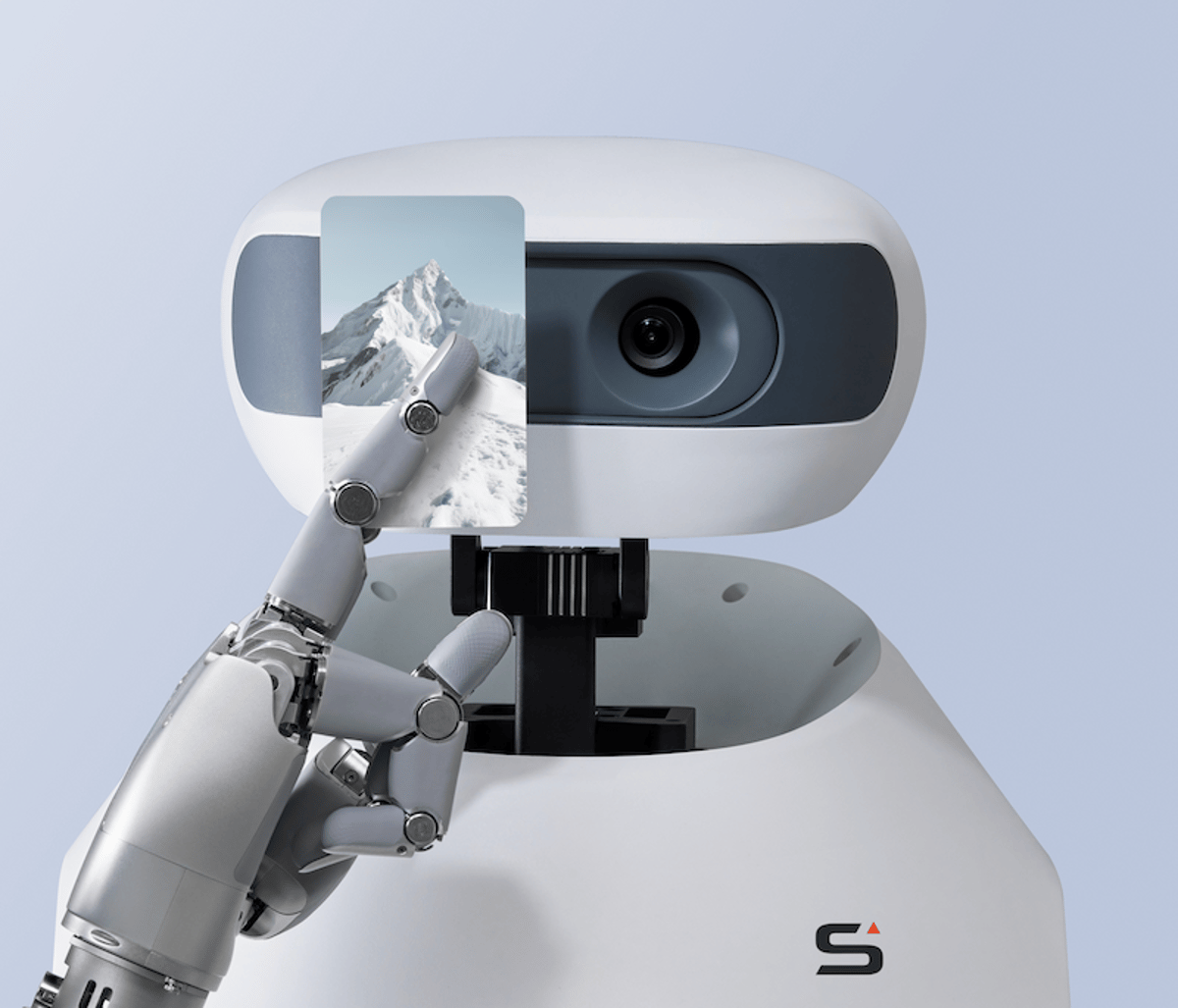
Sharpa Brings Dexterous Robot Hands to Nvidia and Unitree Humanoid Reference Design
Companies Mentioned
Why It Matters
The partnership lowers the technical barrier for building commercially viable humanoid robots, accelerating adoption of fine‑manipulation AI in manufacturing and service sectors.
Key Takeaways
- •Wave hands add 22 DOF per hand, total 75 DOF robot
- •Integration uses Nvidia Isaac GR00T, Jetson AGX Thor for onboard AI
- •Tactile sensors provide over 1,000 points per fingertip for fine touch
- •Reference design accelerates data collection, simulation, and real‑world deployment
- •Humanoid platform targets industrial tasks beyond research demos
Pulse Analysis
The robotics market has reached a tipping point where humanoid platforms are no longer confined to laboratory demos. Companies are seeking machines that can handle delicate objects, assemble components, and interact safely with humans. Dexterous manipulation—once the domain of research prototypes—has become a commercial prerequisite, driven by advances in tactile sensing and AI‑powered control loops. Sharpa’s Wave hands, with their high‑resolution touch feedback, address this demand by providing the sensory granularity needed for nuanced grip and force modulation.
Technically, the new reference design fuses three industry leaders: Unitree’s robust H2 Plus chassis, Nvidia’s Isaac GR00T development stack, and Sharpa’s five‑finger tactile hands. The Jetson AGX Thor board supplies the compute horsepower for real‑time perception and policy inference, while Isaac Sim and Isaac Lab enable rapid virtual testing and reinforcement‑learning training. By standardizing hardware interfaces and software pipelines, the platform shrinks the simulation‑to‑reality gap, allowing developers to transition from virtual demonstrations to physical execution with minimal re‑tuning. The 1,000‑plus sensing points per fingertip give AI models rich feedback, improving the fidelity of learned manipulation skills.
For enterprises, this integration translates into faster time‑to‑value for automation projects. Manufacturers can prototype robotic pick‑and‑place cells that handle irregular parts, while service providers can deploy assistants capable of nuanced object hand‑offs. The collaboration also intensifies competition among robot makers, prompting rivals to embed comparable tactile capabilities or risk obsolescence. As the ecosystem matures, we can expect a cascade of applications—from warehouse logistics to healthcare—that leverage the blend of dexterous hardware and sophisticated AI, accelerating the shift toward truly productive humanoid robots.
Sharpa brings dexterous robot hands to Nvidia and Unitree humanoid reference design
Comments
Want to join the conversation?
Loading comments...