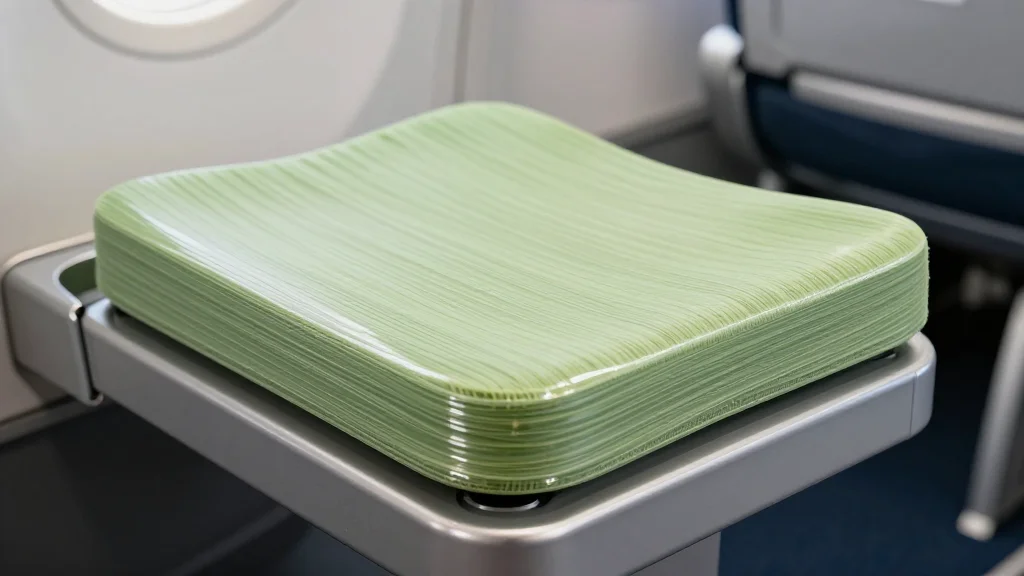
SHD Composites to Supply Sustainable Materials for Aircraft Seats
Why It Matters
Introducing a certified low‑carbon, safety‑compliant material into aircraft interiors helps airlines meet stricter emissions goals and strengthens the UK’s position as a leader in sustainable aerospace manufacturing.
Key Takeaways
- •SHD's FR308 prepreg derived from sugarcane waste, formaldehyde‑free.
- •Meets full FST standards for aircraft interior safety.
- •Contains 300 g/m² glass fiber, replacing traditional phenolic prepregs.
- •EcoSuite project funded by ATI, first direct seat‑material investment.
- •Aims to cut carbon footprint from cradle to factory gate.
Pulse Analysis
The aviation sector is under mounting pressure to reduce its environmental impact, and interior components are a surprisingly fertile ground for innovation. SHD’s FR308 prepreg leverages a waste stream from sugarcane processing, turning agricultural by‑products into a high‑performance resin system that complies with stringent flammability, smoke and toxicity regulations. By eliminating formaldehyde, phenol and organic solvents, the material not only lowers toxic emissions during manufacturing but also delivers a measurable reduction in lifecycle carbon intensity, a key metric for airlines pursuing sustainability pledges.
EcoSuite represents a coordinated effort among industry giants, government agencies, and research institutions to accelerate the adoption of such green technologies. Funding from the Aerospace Technology Institute—secured at the 2025 Paris Air Show—marks the first direct investment in aircraft seating materials, aligning with the UK’s “Destination Zero” strategy to achieve carbon neutrality by 2050. The consortium, which includes Safran Seats GB and Innovate UK, aims to validate advanced manufacturing techniques that can scale across the supply chain, ensuring that the new seats meet both performance and regulatory demands.
For airlines and OEMs, the rollout of FR308‑based seats offers a tangible pathway to meet emerging ESG criteria and consumer expectations for greener travel. The material’s compatibility with existing production lines reduces the need for costly retooling, while its certified safety profile eases certification hurdles. As regulators tighten emissions reporting and passengers increasingly favor sustainable options, early adopters of EcoSuite‑enabled seating could gain a competitive edge, driving broader market transformation toward low‑carbon aviation interiors.
SHD Composites to supply sustainable materials for aircraft seats
Comments
Want to join the conversation?
Loading comments...