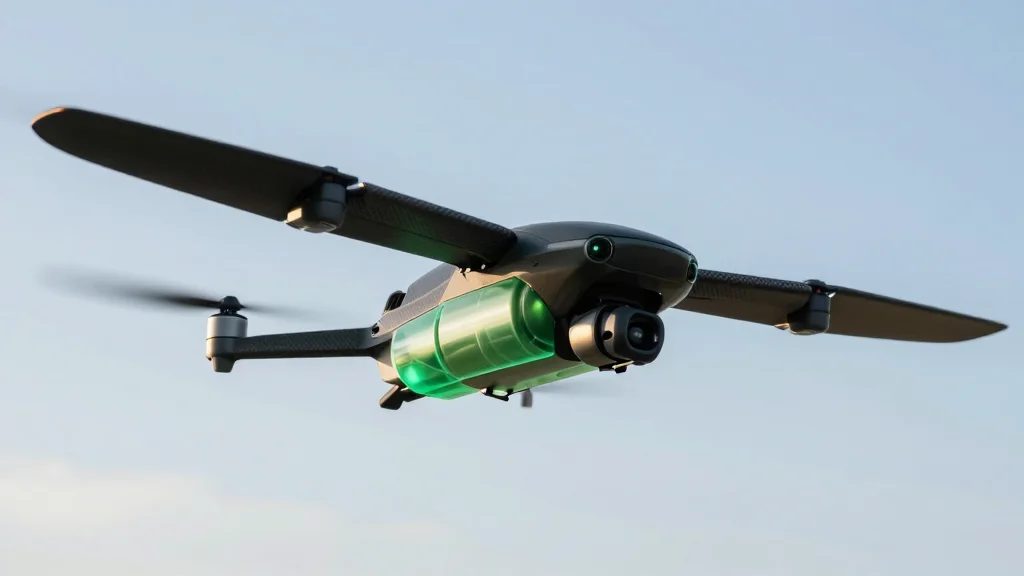
Skyeton Unveils Zero‑Emission Fuel‑Cell Drone, Aiming for 20‑Hour Flights

Why It Matters
The introduction of a fuel‑cell UAV that can operate for up to 20 hours reshapes the cost‑benefit calculus for both military and civilian users. For armed forces, longer endurance combined with reduced acoustic and thermal signatures means deeper penetration into contested airspace without exposing pilots to detection. For humanitarian agencies, the ability to generate clean power on‑site reduces reliance on diesel generators, cutting emissions and noise in disaster zones. Moreover, the technology showcases Ukraine’s growing expertise in advanced manufacturing, positioning the country as a hub for next‑generation aerospace solutions despite ongoing geopolitical challenges. If the on‑site green‑hydrogen production model proves scalable, it could accelerate broader adoption of hydrogen across other mobile platforms, from ground robots to maritime vessels, creating a new supply chain for renewable energy in remote and conflict‑prone regions. This would also stimulate investment in electrolyzer technology and renewable‑energy generation, further embedding hydrogen into the global energy transition.
Key Takeaways
- •Skyeton’s hybrid Raybird (ACS‑3) entered combat service with >10‑hour flight time
- •Company targets 20‑hour endurance and on‑site green‑hydrogen generation
- •Fuel‑cell system operates from -35°C to +55°C, reducing noise and heat signatures
- •Mobile electrolyzer unit enables cartridge‑swap or on‑demand hydrogen production
- •Potential impact on NATO ISR capabilities and humanitarian disaster response
Pulse Analysis
Skyeton’s breakthrough arrives at a moment when the defense sector is actively diversifying its energy sources. Historically, UAV endurance has been limited by either the low energy density of batteries or the logistical burden of fuel. By marrying hydrogen fuel‑cell efficiency with a modular hydrogen‑generation system, Skyeton sidesteps both constraints, offering a platform that can be refueled in minutes and operate silently for extended periods. This hybrid approach could force traditional drone manufacturers to accelerate their own fuel‑cell programs or risk losing market share in high‑value ISR contracts.
The commercial viability of the technology hinges on the economics of green hydrogen. While current electrolyzer costs keep green H₂ price above $6‑$8 per kilogram, economies of scale and falling renewable‑energy prices could bring that figure closer to parity with grey hydrogen within the next five years. If Skyeton can demonstrate a total cost of ownership comparable to battery‑electric UAVs, especially in remote theaters where logistics dominate, the fuel‑cell model may become the default for long‑duration missions.
From a geopolitical perspective, Ukraine’s success in this niche underscores the country’s capacity to innovate under pressure. The project’s two‑year R&D timeline, completed amid ongoing conflict, signals a resilient supply chain and a talent pool capable of high‑tech manufacturing. Western partners are likely to view this as a low‑risk entry point for deeper collaboration, potentially leading to joint ventures that blend Ukrainian engineering with Western capital and market access. The next few months—particularly the upcoming 20‑hour field trials—will be a litmus test for whether fuel‑cell UAVs can transition from a promising prototype to a mainstream asset in both defense and civilian skies.
Skyeton Unveils Zero‑Emission Fuel‑Cell Drone, Aiming for 20‑Hour Flights
Comments
Want to join the conversation?
Loading comments...