South Korea Could Be Asia’s Green Ammonia Hub
Why It Matters
The milestone proves a viable, carbon‑free fuel supply chain for shipping and power, giving South Korea a strategic edge in the emerging green ammonia market.
Key Takeaways
- •Lotte imported 320,000 t of green ammonia from China.
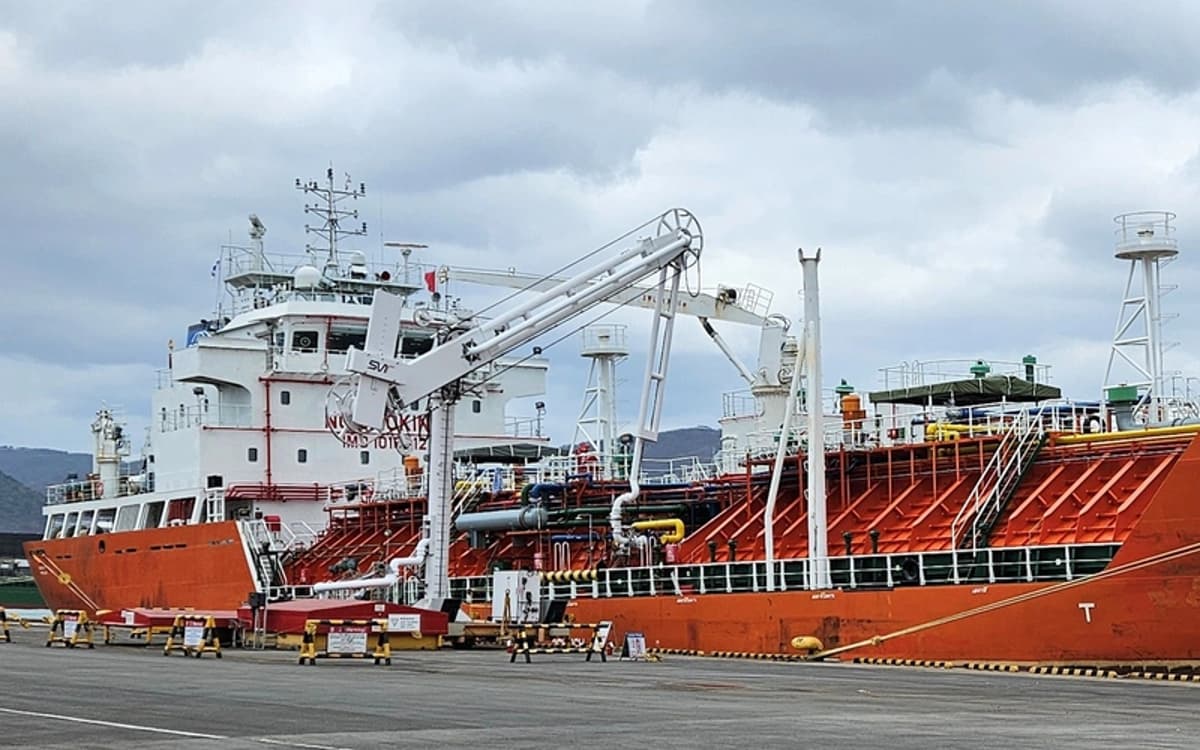
- •Ulsan Port completed world’s first ammonia bunkering to a gas carrier.
- •Envision’s plant uses AI‑driven off‑grid renewables for continuous production.
- •Projected output rises to 1.5 M t by 2028, scaling Asia supply.
- •South Korea aims to become Asia’s leading clean ammonia hub.
Pulse Analysis
The first commercial cross‑border shipment of green ammonia marks a turning point for the maritime industry’s decarbonization roadmap. Shipping companies are under mounting pressure to replace bunker fuel with zero‑carbon alternatives, and ammonia—produced from renewable electricity—offers a drop‑in solution that can be stored and handled with existing infrastructure. By securing a reliable import and demonstrating bunkering at Ulsan, South Korea showcases a complete supply chain that other ports can emulate, accelerating global adoption.
Envision’s Chifeng Net Zero Industrial Park leverages an AI‑integrated off‑grid renewable system that balances wind, solar, battery storage, and electrolyzer loads in real time. This digital‑first approach eliminates dependence on the regional grid, cuts operating costs, and ensures continuous ammonia synthesis even when weather conditions fluctuate. The plant’s current output of 320,000 tons, powered entirely by wind and solar, sets a benchmark for scalable green‑hydrogen projects, while its roadmap to 1.5 million tons by 2028 illustrates how advanced analytics can unlock economies of scale.
For South Korea, the successful import and bunkering operation positions the nation as a potential green‑ammonia hub for Asia’s burgeoning clean‑energy market. Lotte Fine Chemical’s ambition to serve regional power generators, co‑firing plants, and maritime customers could attract downstream investments and create a competitive advantage over neighboring economies still reliant on fossil‑based ammonia. As governments tighten emissions standards, the ability to source, store, and dispense carbon‑free ammonia will become a critical asset, and South Korea’s early mover status may translate into long‑term economic and environmental benefits.
South Korea Could Be Asia’s Green Ammonia Hub
Comments
Want to join the conversation?
Loading comments...