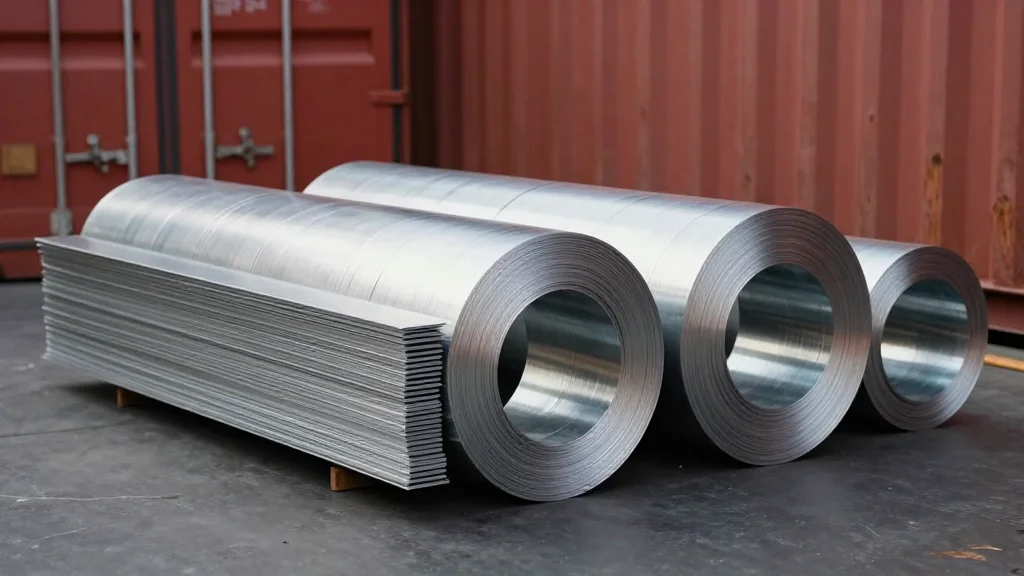
Steel Imports Down 30% in 2026 as Tariffs Bolster US Production
Companies Mentioned

Why It Matters
The shift signals that protectionist policies are reshaping the U.S. steel market, boosting local manufacturers while pressuring foreign suppliers. It also highlights supply‑chain volatility that could affect downstream industries reliant on steel.
Key Takeaways
- •April steel imports fell 30% YTD due to Section 232 tariffs.
- •Domestic production rose 6.8% YoY, reaching 38.9 million net tons.
- •Top suppliers: South Korea, Canada, Brazil, Mexico, Vietnam.
- •Tariff adjustments now allow 10% reduced rate for U.S.-content goods.
- •Geopolitical tensions add fuel surcharges, prompting cautious sourcing.
Pulse Analysis
The 25‑to‑50 percent Section 232 tariffs imposed by the Trump administration have taken a decisive toll on foreign steel flows. Census data shows a 6 percent month‑over‑month rise in April imports, yet a stark 30 percent drop compared with the same period last year. The decline is concentrated among finished products such as tin plate and reinforcing bars, while the top five source nations—South Korea, Canada, Brazil, Mexico and Vietnam—still dominate the reduced market share. This contraction underscores how trade barriers can quickly reorient supply chains toward domestic alternatives.
At the same time, U.S. steelmakers are capitalizing on the policy environment. Preliminary figures from the American Iron and Steel Institute indicate a 6.8 percent year‑over‑year increase in raw steel processing, totaling nearly 39 million net tons since January. Major players like U.S. Steel, Century Aluminum and Hyundai Steel have announced capacity expansions, aiming to lock in market share as imports wane. Recent tariff adjustments—lowering rates for agricultural and industrial equipment and offering a 10 percent carve‑out for products primarily made with U.S. steel—provide additional incentives for manufacturers to source domestically, reinforcing the industry’s growth trajectory.
Beyond tariffs, broader geopolitical dynamics are adding layers of uncertainty. The ongoing Iran conflict has driven up fuel surcharges, prompting importers to delay purchases until supply chains stabilize. Analysts warn that lingering trade tensions could spur foreign producers to absorb tariff costs to retain footholds, potentially eroding the protective effect over time. For downstream sectors—automotive, construction, and infrastructure—the evolving tariff landscape and supply‑chain volatility will shape cost structures and investment decisions for years to come.
Steel imports down 30% in 2026 as tariffs bolster US production
Comments
Want to join the conversation?
Loading comments...