Why It Matters
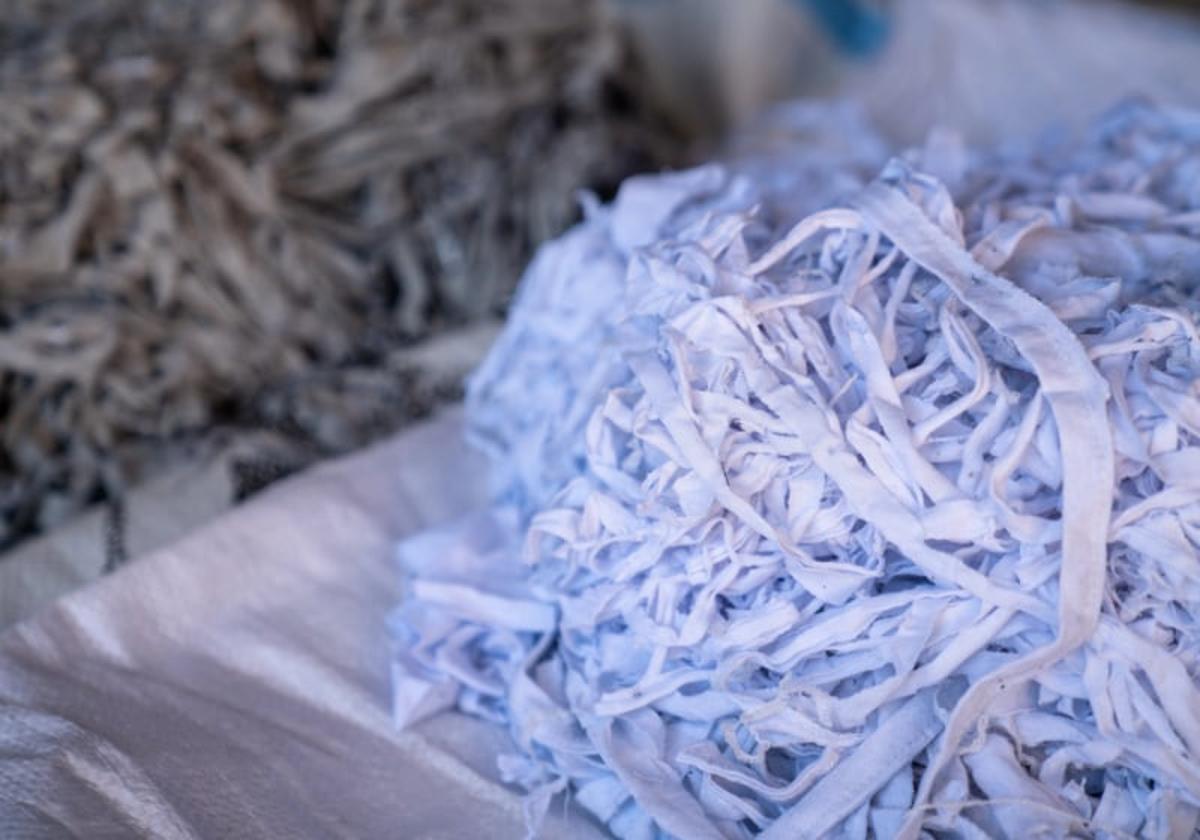
Replacing wood pulp with cotton waste cuts deforestation pressure and creates a market for textile waste, improving the sustainability of the viscose sector.
Key Takeaways
- •Recycled cotton pulp matches wood pulp quality in viscose
- •Circulose-derived pulp enables direct substitution without major process changes
- •Study offers data to optimise cotton‑waste pulp integration
- •Textile waste can become valuable raw material for fibers
- •Adoption reduces forest resource consumption and carbon footprint
Pulse Analysis
Viscose, a staple in fashion and home textiles, has long relied on wood‑derived cellulose, tying the industry to deforestation and supply volatility. As consumers and regulators demand greener fabrics, manufacturers are scouting alternative fibers that maintain performance while lowering environmental impact. Recycled cotton waste, abundant from post‑consumer garments and manufacturing off‑cuts, presents a compelling candidate, but until now technical hurdles limited its scalability.
The Karlstad University team tackled these challenges by employing Circulose, a patented method that purifies cotton waste into high‑purity pulp suitable for viscose spinning. Laboratory trials revealed that the cotton‑derived pulp matches wood pulp in tensile strength, dye uptake, and hand feel, with no need for major equipment retrofits. Moreover, the study mapped the pulping behavior of different cotton grades, offering a roadmap for producers to fine‑tune process parameters and achieve consistent quality across batches.
If the industry embraces this cotton‑to‑viscose pathway, the ripple effects could be substantial. Textile waste streams would gain economic value, reducing landfill pressure, while forest harvests could decline, easing carbon emissions and biodiversity loss. Supply chains would become more circular, aligning with ESG goals and potentially unlocking premium pricing for sustainably sourced viscose. However, scaling will require coordinated investment in collection infrastructure and certification standards to assure material traceability and performance consistency.
Study backs cotton to viscose route
0
Comments
Want to join the conversation?
Loading comments...