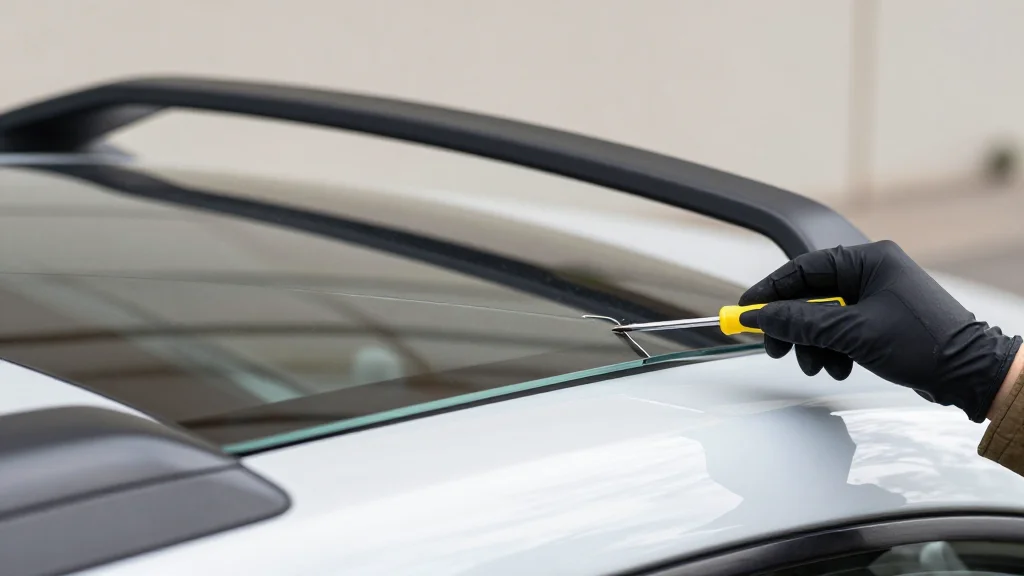
Subaru Recalls 70,000 2026 Forester SUVs Over Moonroof Panel Detachment

Companies Mentioned
Why It Matters
The Subaru recall highlights a critical vulnerability in automotive manufacturing: a single bonding error can jeopardize vehicle safety and trigger a multi‑million‑dollar recall. For the broader manufacturing sector, it reinforces the need for rigorous supplier oversight and real‑time quality monitoring, especially as vehicles become more complex and component‑intensive. The incident also puts pressure on other OEMs to audit their own roof‑system suppliers, potentially leading to industry‑wide tightening of bonding standards. Beyond immediate safety concerns, the recall could affect Subaru’s market positioning in the crowded compact SUV segment. With the Forester’s price point and its reputation for reliability serving as key selling points, any perception of quality lapses may shift buyer preference toward competitors. The episode may also influence future contract negotiations between automakers and tier‑one suppliers, driving demand for more transparent process documentation and stricter compliance metrics.
Key Takeaways
- •Subaru recalls 69,663 2026 Forester and Forester Hybrid SUVs in the U.S.
- •Defect caused by insufficient primer in moonroof assemblies supplied by Webasto Roof Systems
- •Recall covers vehicles built between June 19, 2025, and March 17, 2026
- •No crashes or injuries reported; dealers will replace affected moonroof assemblies at no cost
- •Owner notification letters expected by July 24; recall completion targeted for Q3 2026
Pulse Analysis
Subaru’s recall is a textbook case of how a seemingly minor process deviation can cascade into a costly safety campaign. The primer‑application step, while a small fraction of the overall assembly line, is a high‑risk point because it directly governs the structural integrity of a component exposed to dynamic forces. In an era where OEMs outsource increasingly complex sub‑systems, the incident underscores the strategic importance of embedding real‑time quality analytics into supplier workflows. Companies that invest in sensor‑driven monitoring of adhesive application, for example, could detect out‑of‑spec conditions before parts leave the factory floor.
From a market perspective, Subaru’s swift corrective action may mitigate brand damage, but the recall still represents a financial hit—both in terms of parts logistics and potential warranty claims. Competitors will likely leverage this episode in their own marketing, emphasizing stricter quality controls. Moreover, regulators may tighten reporting thresholds for bonding‑related defects, prompting a wave of pre‑emptive audits across the industry.
Looking ahead, the recall could accelerate a shift toward alternative roof‑system designs that reduce reliance on adhesive bonds, such as mechanically fastened or modular glass modules. Automakers may also renegotiate contracts with tier‑one suppliers to include stricter penalties for quality breaches and to demand greater transparency in process data. For investors, the episode serves as a reminder to scrutinize supply‑chain risk factors when evaluating automotive manufacturers, especially those with high volumes of premium‑feature models.
Subaru Recalls 70,000 2026 Forester SUVs Over Moonroof Panel Detachment
Comments
Want to join the conversation?
Loading comments...