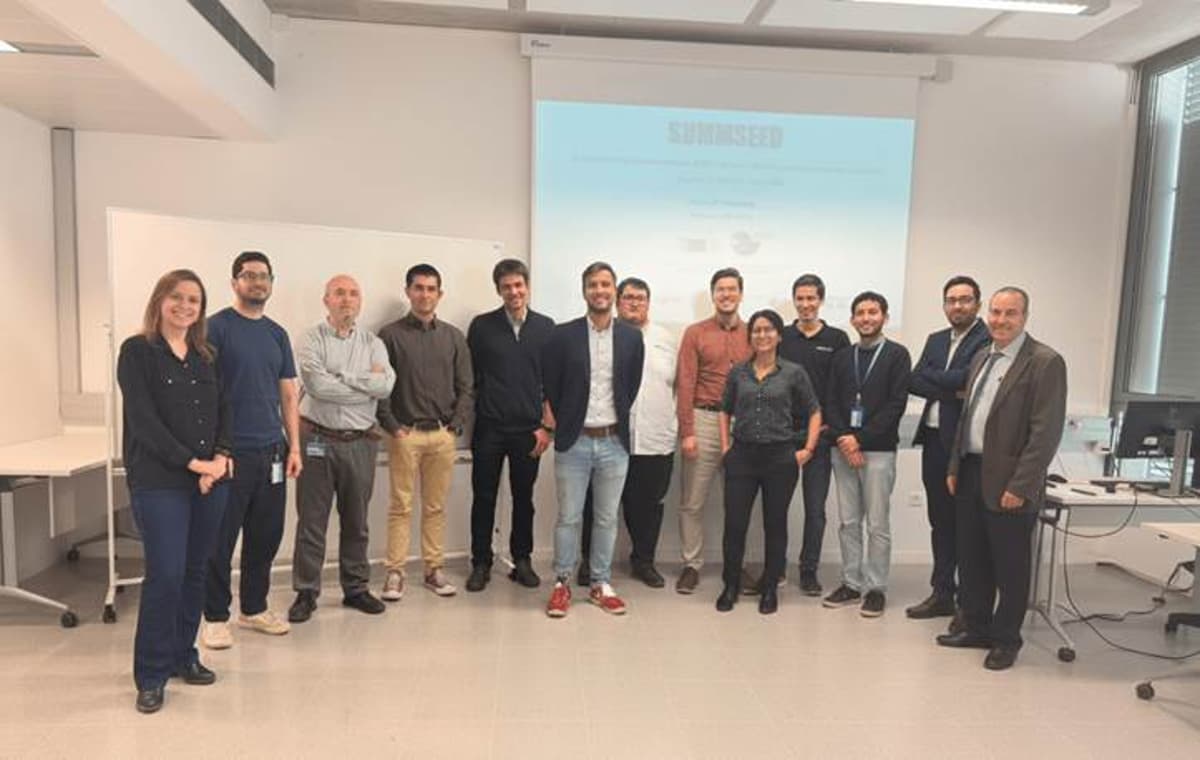
SUMMSEED Launches to Develop Medium Manganese Steels for Mining Using Casting and Laser-Wire DED
Companies Mentioned
Why It Matters
By delivering high‑strength, low‑emission steel alternatives, SUMMSEED could lower operating costs and carbon footprints for mining and heavy‑industry firms, accelerating adoption of sustainable additive‑manufacturing processes.
Key Takeaways
- •SUMMSEED targets medium‑Mn steels for casting and laser‑wire DED.
- •Project aims to cut CO₂ emissions and critical alloy usage.
- •Partners include Sandvik, Meltio, UPC, and major steel producers.
- •Demonstrators will repair cone‑crusher parts, extending component life.
Pulse Analysis
The SUMMSEED consortium, funded by the EU Research Fund for Coal and Steel, has kicked off a multi‑year effort to create medium‑manganese steel grades that can be produced by conventional casting and by laser‑wire directed energy deposition (DED). By bringing together academia (UPC, Delft, TU Bergakademie Freiberg) and industry leaders such as Sandvik, Sidenor and Meltio, the project covers the entire value chain—from alloy design and wire feedstock to additive‑manufacturing equipment and field validation on mining‑grade components. The focus on medium‑Mn chemistry reflects a growing consensus that these alloys can deliver the high strength and wear resistance of Hadfield steel while using fewer nickel and carbon resources.
From a technical standpoint, the initiative seeks to tailor the microstructure of the steel for near‑net‑shape deposition, reducing the need for post‑process machining and material waste. Early laboratory trials will explore alloying balances that lower CO₂ footprints by cutting critical elements such as chromium and nickel, while still meeting the toughness and wear criteria required in low‑ to medium‑load mining applications. Pilot‑scale casting runs and DED repairs of actual cone‑crusher components will provide real‑world data, including in‑situ synchrotron analysis, to certify performance and accelerate certification pathways.
The commercial implications are significant. If the new grades achieve the promised durability, mining equipment owners could extend the service life of high‑value parts, defer capital expenditures, and lower the carbon intensity of their fleets. Moreover, the project's deliverables—processing guidelines, workshops, and policy briefs—position it as a catalyst for broader circular‑economy adoption in the steel sector. The timing aligns with parallel initiatives in Australia and the United States, where defense and maritime programs are also investing heavily in additive‑manufacturing of advanced alloys. SUMMSEED therefore represents a strategic European counter‑balance, potentially shaping standards and supply chains for sustainable heavy‑industry steel.
SUMMSEED launches to develop medium manganese steels for mining using casting and laser-wire DED
Comments
Want to join the conversation?
Loading comments...