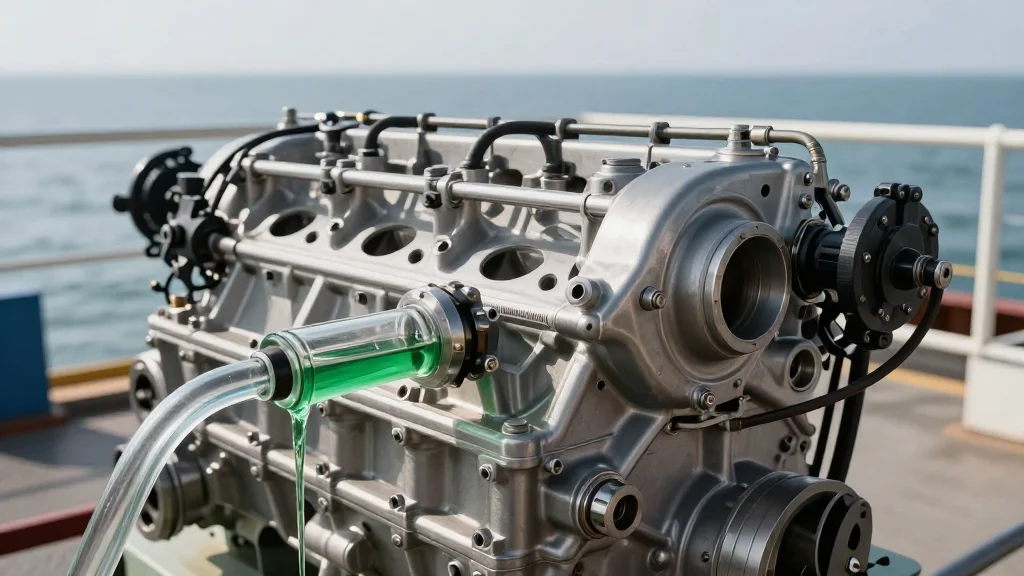
Swiss WinGD Sells First Ethanol -Fuelled Marine Engines
Companies Mentioned
Why It Matters
Ethanol‑powered engines give shipowners a new low‑carbon fuel option that aligns with emerging IMO standards, potentially accelerating maritime decarbonisation. The sale validates the commercial viability of retrofitting vessels for bio‑fuel use despite regulatory limits on first‑generation fuels.
Key Takeaways
- •WinGD sold two ethanol-fuelled engines for ore carriers.
- •Engines derived from methanol model, leveraging similar combustion traits.
- •Vessels will serve Shandong Shipping under Vale charters.
- •IMO now recognises Brazil's second‑crop corn ethanol as marine fuel.
Pulse Analysis
Ethanol is gaining traction in the maritime sector as regulators tighten greenhouse‑gas limits. The International Maritime Organization’s recent decision to recognise Brazil’s second‑crop corn ethanol in its life‑cycle assessment framework gives the fuel a formal foothold, addressing concerns about sustainability and surplus agricultural output. This regulatory endorsement reduces uncertainty for shipowners considering alternative fuels and encourages investment in the necessary bunkering infrastructure.
WinGD’s new engines illustrate how manufacturers can leverage existing technology to enter the ethanol market quickly. By modifying its proven methanol‑fuelled platform, the Swiss firm sidestepped the need for a ground‑up design, cutting development time and cost. The engines will power two ore carriers for Shandong Shipping, operating under charters for Vale, a major Brazilian miner. This deployment demonstrates that retrofitting vessels for ethanol is technically feasible and commercially attractive for bulk carriers seeking compliance with upcoming emissions standards.
The broader impact could reshape fuel sourcing for global shipping. Ethanol offers a renewable, carbon‑reduced alternative that can absorb excess production from major agricultural exporters like Brazil, mitigating waste and supporting rural economies. However, European rules such as FuelEU Maritime and RED III still restrict first‑generation biofuels, limiting market expansion in the EU. As more IMO‑approved pathways emerge and supply chains mature, ethanol may become a bridge fuel, complementing hydrogen and ammonia in the industry’s long‑term decarbonisation strategy.
Swiss WinGD sells first ethanol -fuelled marine engines
Comments
Want to join the conversation?
Loading comments...