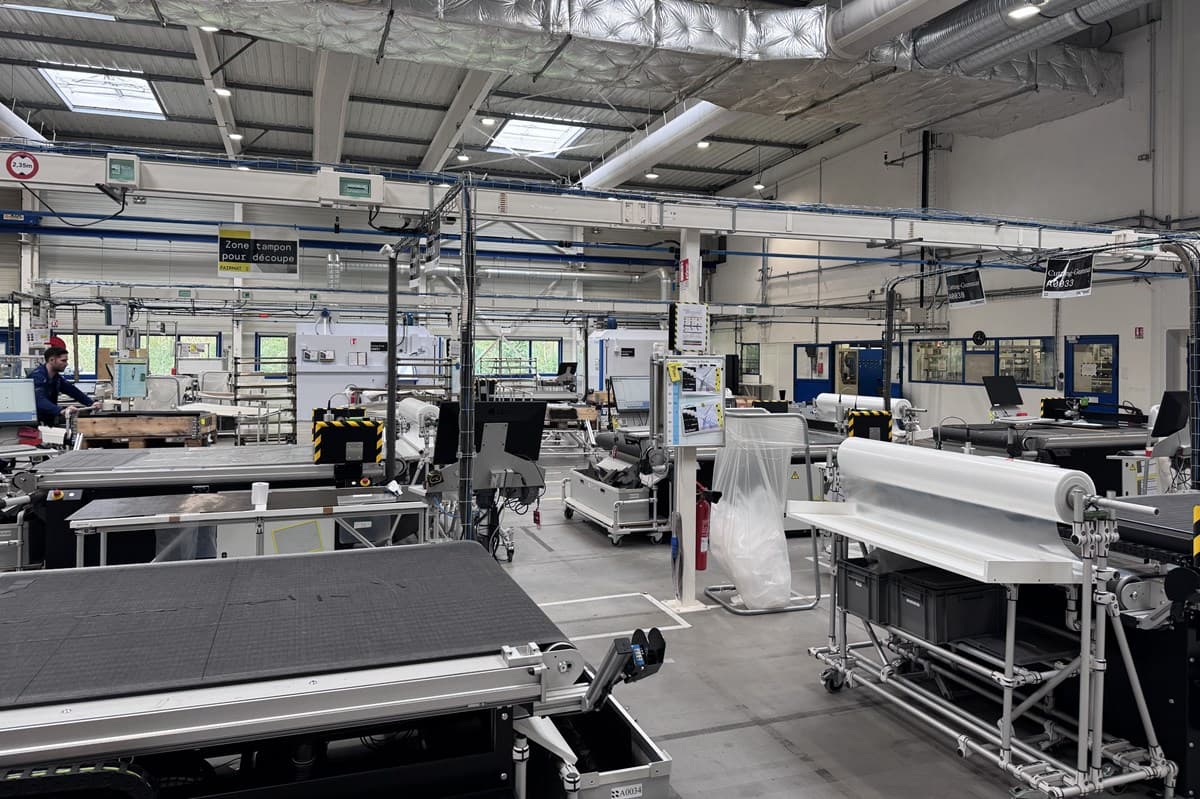
Syensqo Advances Circular Carbon Fiber Composite Recycling Partnership with Fairmat
•March 5, 2026
0
Why It Matters
The partnership turns traditionally low‑value composite waste into a strategic resource, reducing material costs and carbon emissions across key industries. It demonstrates a scalable model for circular economy adoption in the high‑tech composites sector.
Key Takeaways
- •Syensqo will recycle EOL carbon fiber at Fairmat plant
- •Partnership expands to sports, mobility, construction markets
- •Recycled fibers retain high technical performance
- •Builds industrial circular value chain for composite waste
- •Supports EU sustainability targets and cost reduction
Pulse Analysis
Carbon‑fiber composites are prized for strength‑to‑weight ratios but generate hard‑to‑manage end‑of‑life waste. European regulations and corporate ESG commitments are pushing manufacturers to find viable recycling routes, yet most solutions degrade performance or are economically prohibitive. The market for recycled carbon fiber is projected to exceed €1 billion by 2030, driven by demand in automotive, aerospace and sports equipment. Overcoming technical barriers—such as maintaining fiber length and tensile properties—remains the industry’s biggest hurdle.
The Syensqo‑Fairmat alliance tackles these challenges by channeling waste from Syensqo’s German production line into Fairmat’s proprietary recycling facilities. Using a combination of pyrolysis and advanced fiber recovery, the process preserves up to 90 % of the original mechanical properties, allowing the material to re‑enter high‑performance applications. By targeting sectors like mobility and construction, the partnership not only creates a new supply of circular carbon fiber but also offers customers a lower‑cost, lower‑carbon alternative to virgin material. The collaboration expands on a 2025 pilot that proved feasibility across two UK sites, signaling confidence in scaling the technology.
Beyond immediate cost savings, the deal signals a shift toward closed‑loop composites in Europe’s supply chains. Manufacturers can now design products with end‑of‑life pathways in mind, reducing reliance on virgin carbon fiber and cutting lifecycle emissions. As Fairmat ramps up capacity and adds more partners, the circular ecosystem could drive standards for recycled‑fiber certification, influencing procurement policies across the continent. Ultimately, this partnership illustrates how strategic collaborations can accelerate sustainability while preserving the performance that high‑tech industries demand.
Syensqo advances circular carbon fiber composite recycling partnership with Fairmat
0
Comments
Want to join the conversation?
Loading comments...