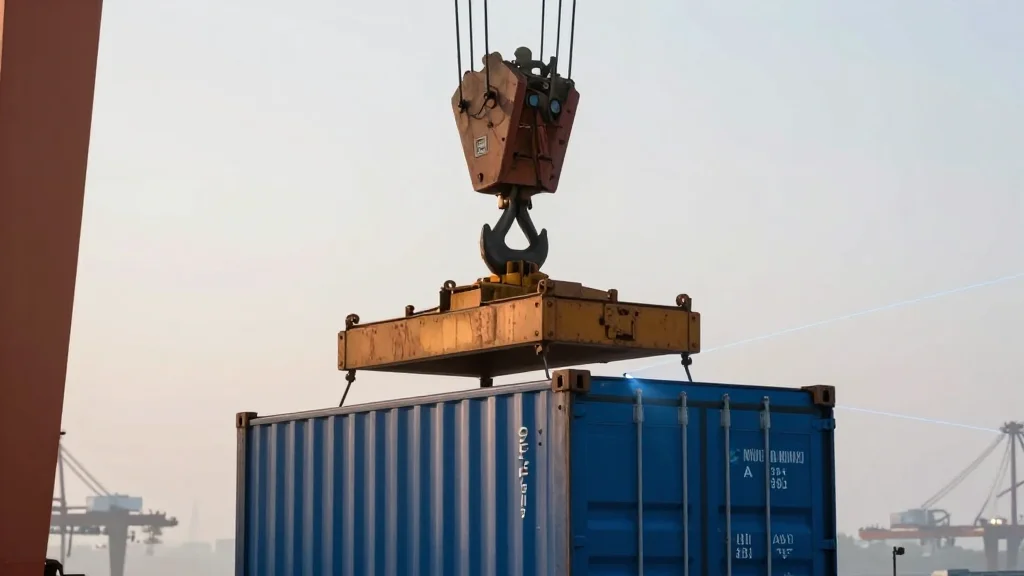
Tacoma ILWU Local Attempting to Block Husky Technology Effort
Why It Matters
If the OCR rollout is delayed, Husky’s operational efficiency and the broader West Coast supply chain could suffer, while the union’s stance highlights the tension between automation and job security in maritime labor markets.
Key Takeaways
- •ILWU Local 23 opposes Husky's OCR crane technology.
- •OCR tech records container numbers during lift, used since 2002 contract.
- •Union argues automation will eliminate marine clerk jobs.
- •Tacoma marine clerk workforce grew 48% over 20 years.
- •Blocking tech could delay West Coast port efficiency gains.
Pulse Analysis
Port automation has become a cornerstone of modern logistics, with OCR systems enabling real‑time container tracking, reduced paperwork, and faster vessel turnaround. Since the 2002 coast‑wide contract, most major terminals on the Pacific shoreline have integrated this technology, allowing operators to sync crane movements with terminal operating systems and shippers’ visibility platforms. Husky Terminal’s planned upgrade aligns with industry benchmarks that promise up to a 15% boost in crane productivity and lower demurrage costs for importers.
The ILWU, long regarded as a powerful voice in maritime labor, argues that replacing manual data entry with OCR threatens the jobs of marine clerks who traditionally transcribe container numbers. Local 23 points to a 48% increase in its clerk workforce over the last 20 years as evidence that the union has been expanding employment, not shrinking it. The complaint underscores a broader debate: how to balance technological progress with the preservation of skilled labor in an era where ports compete for cargo volumes and shippers demand speed.
For shippers and logistics providers, the outcome of this dispute could affect supply‑chain reliability on the West Coast. A delay in deploying OCR at Husky may force carriers to rely on legacy processes, potentially increasing dwell times and freight costs. Conversely, a resolution that integrates automation while addressing union concerns could set a precedent for collaborative technology adoption, reinforcing the United States’ position in global trade. Stakeholders will be watching closely as the Pacific Maritime Association mediates, recognizing that the balance struck here may shape port modernization strategies nationwide.
Tacoma ILWU local attempting to block Husky technology effort
Comments
Want to join the conversation?
Loading comments...