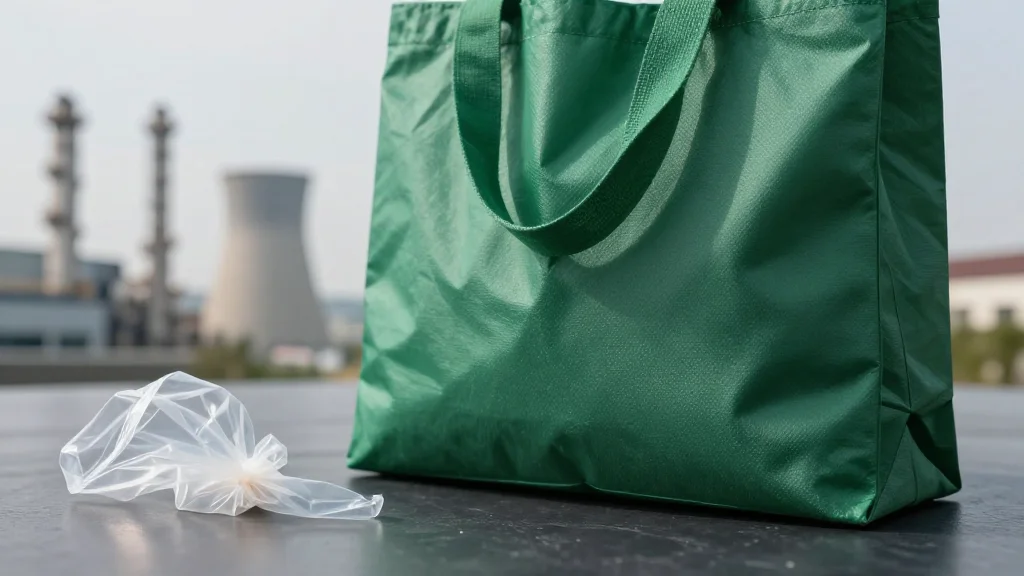
Taiwan Moves to Secure Plastic Supply, Expand Reuse Drive Amid Middle East-Linked Disruption
Why It Matters
The dual strategy safeguards Taiwan’s supply chain while accelerating its circular‑economy transition, influencing costs and ESG performance across the region.
Key Takeaways
- •Middle East conflict tightens petrochemical feedstock supply
- •Taiwan raises CPC ethylene capacity to 79,000 tonnes
- •Formosa to maintain ethylene and propylene production
- •Nationwide bag‑reuse scheme links households with retailers
- •Pilot shows plastic‑free purchases rise to 10 percent
Pulse Analysis
The recent upheaval in Middle East oil markets has exposed the fragility of global petrochemical supply chains, where disruptions to naphtha and other feedstocks quickly ripple into downstream products like plastic bags. Taiwan’s swift response—raising CPC’s ethylene capacity and securing output from Formosa—illustrates how governments can leverage state‑owned assets to buffer domestic industries against external shocks. By ensuring a steady flow of ethylene and propylene, the island aims to prevent price spikes from cascading to consumers and manufacturers, preserving competitiveness in a price‑sensitive market.
Beyond short‑term supply stabilization, Taiwan is betting on a behavioral shift through its expanded bag‑reuse initiative. The program creates a digital matching platform that connects households with retailers, facilitating the donation and redistribution of paper and reusable bags. Early results from the Jianguo Flower Market pilot, where plastic‑free purchases climbed to 10 % from 1.5 %, demonstrate the potential of low‑cost collection points and government‑backed standards to alter consumer habits. By positioning the scheme as an ESG incentive, the government encourages corporate participation, turning waste reduction into a measurable sustainability metric.
Regionally, Taiwan’s playbook mirrors actions in Indonesia, Thailand, and India, where authorities have intervened in fuel and petrochemical markets to curb volatility. The combined supply‑side boost and demand‑side reuse drive could temper the impact of rising global naphtha prices, though manufacturers warn cost pass‑through may persist. If successful, Taiwan’s model may set a precedent for other economies seeking resilient, circular solutions amid geopolitical uncertainty, reinforcing the link between resource security and sustainable growth.
Taiwan moves to secure plastic supply, expand reuse drive amid Middle East-linked disruption
Comments
Want to join the conversation?
Loading comments...