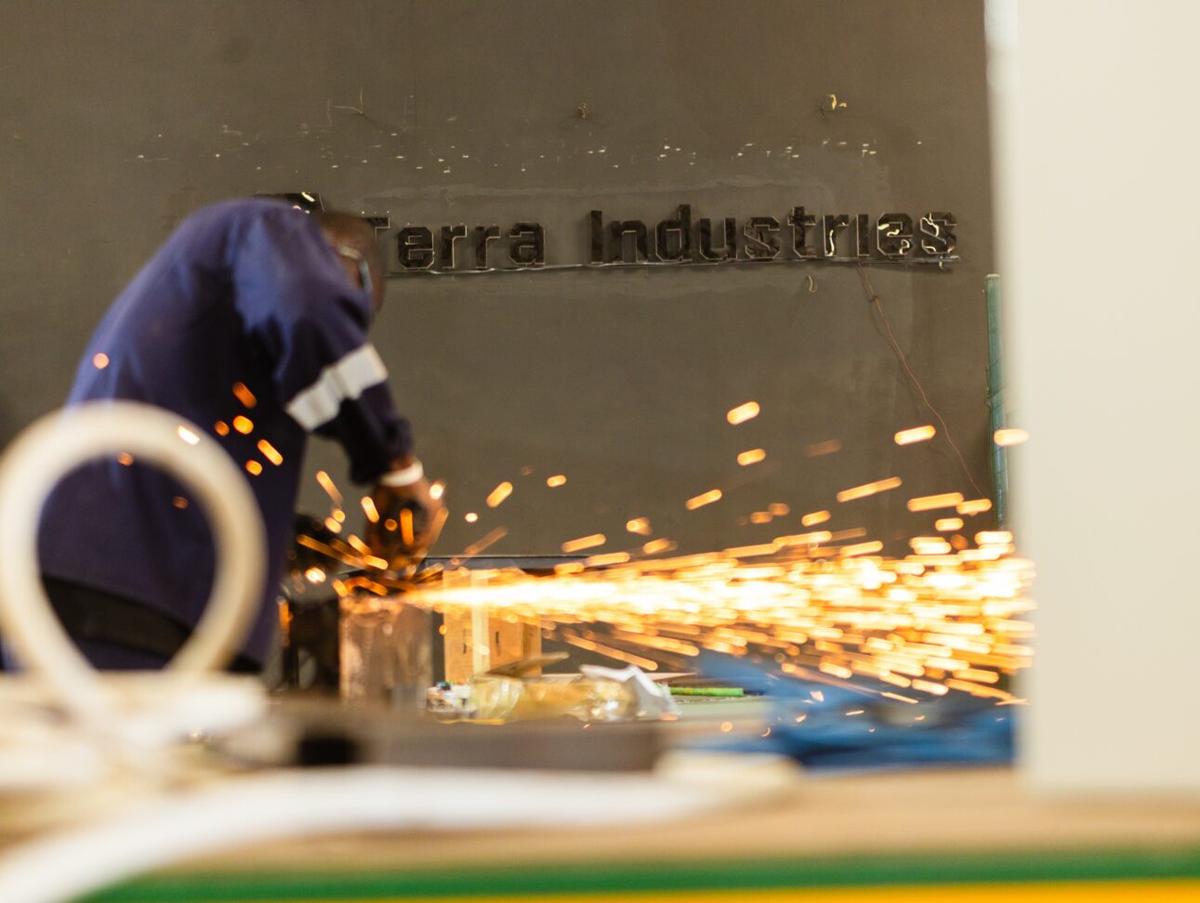
Terra Industries Says It Is Building Africa’s Largest Drone Factory in Ghana
Why It Matters
Localised drone manufacturing gives African states faster, cheaper access to counter‑drone capabilities, reducing reliance on foreign arms suppliers and strengthening regional security.
Key Takeaways
- •Pax‑2 will double Terra’s factory footprint, targeting 50,000 drones by 2028.
- •Ghana chosen for talent pool and political will to export defence.
- •Terra’s Kama interceptor aims 300 km/h to counter hostile drones.
- •Funding of $34 million positions Terra as Africa’s top defence‑tech startup.
- •Success hinges on securing government contracts amid Sahel drone threats.
Pulse Analysis
The Sahel’s escalating drone warfare has exposed a critical gap in Africa’s defensive posture. Non‑state actors such as JNIM and IS‑Sahel have leveraged cheap commercial drones, striking infrastructure from hydropower plants to airports. Traditional African militaries, while acquiring offensive Turkish platforms, lack the sensors and interceptors needed to neutralise low‑altitude threats. Terra’s decision to locate its largest factory in Ghana reflects a broader shift toward indigenous solutions that can be rapidly deployed, tailored to the continent’s unique terrain, and integrated with home‑grown software like ArtemisOS.
Terra’s business model mirrors U.S. defence primes, bundling hardware with recurring‑fee software services. The $34 million raised this year—$11.75 million from 8VC and $22 million from Lux Capital—underscores investor confidence in a market projected to exceed $1 billion in Africa by 2030. The Pax‑2 facility will create 120 engineering jobs and serve as a hub for three UAV families, including the newly announced Kama interceptor capable of 300 km/h. By embedding itself in Ghana’s talent pool and leveraging public‑private partnership frameworks such as Nigeria’s DICON Act, Terra positions itself as a regional prime, potentially capturing contracts across eight countries that already rely on its systems to protect $11 billion in assets.
However, Terra’s growth hinges on converting capital into durable government contracts. While Sahelian states are scrambling for counter‑drone solutions, they remain accustomed to purchasing foreign platforms from Turkey or the United States. Terra must demonstrate reliability, cost‑effectiveness, and political alignment to win over ministries wary of untested local vendors. Success could catalyse a new era of African‑led defence manufacturing, reducing dependence on external suppliers and fostering a sovereign security ecosystem. Conversely, failure to secure key contracts could relegate the venture to a niche player, limiting its impact on the continent’s security architecture.
Terra Industries says it is building Africa’s largest drone factory in Ghana
Comments
Want to join the conversation?
Loading comments...