Tesla Capex Plans Balloon by Another $5 Billion
Why It Matters
The aggressive capex underscores Tesla’s push to control critical components and enter the robotics market, but it also pressures free cash flow and tests investor tolerance for high‑growth spending.
Key Takeaways
- •Tesla raised 2026 capex to $25 billion, $5 billion above plan.
- •Optimus robot capacity targets 1 million units in Fremont, 10 million in Texas.
- •New investments exceed combined 2024‑2025 capex of $19.8 billion.
- •Q1 profit $477 million; deliveries up 6% YoY to 358 k vehicles.
- •Shares slipped to $378, market value around $1.4 trillion.
Pulse Analysis
Tesla’s $25 billion capex plan marks a decisive shift toward deeper vertical integration, allocating more than half of the budget to battery production, AI‑chip development, and the nascent Optimus robot line. Compared with the $11.3 billion spent in 2024 and $8.5 billion in 2025, the 2026 spend dwarfs prior years, signaling confidence that in‑house components will safeguard supply chains and unlock new revenue streams. Analysts see the move as a hedge against semiconductor shortages and a platform for future autonomous technologies.
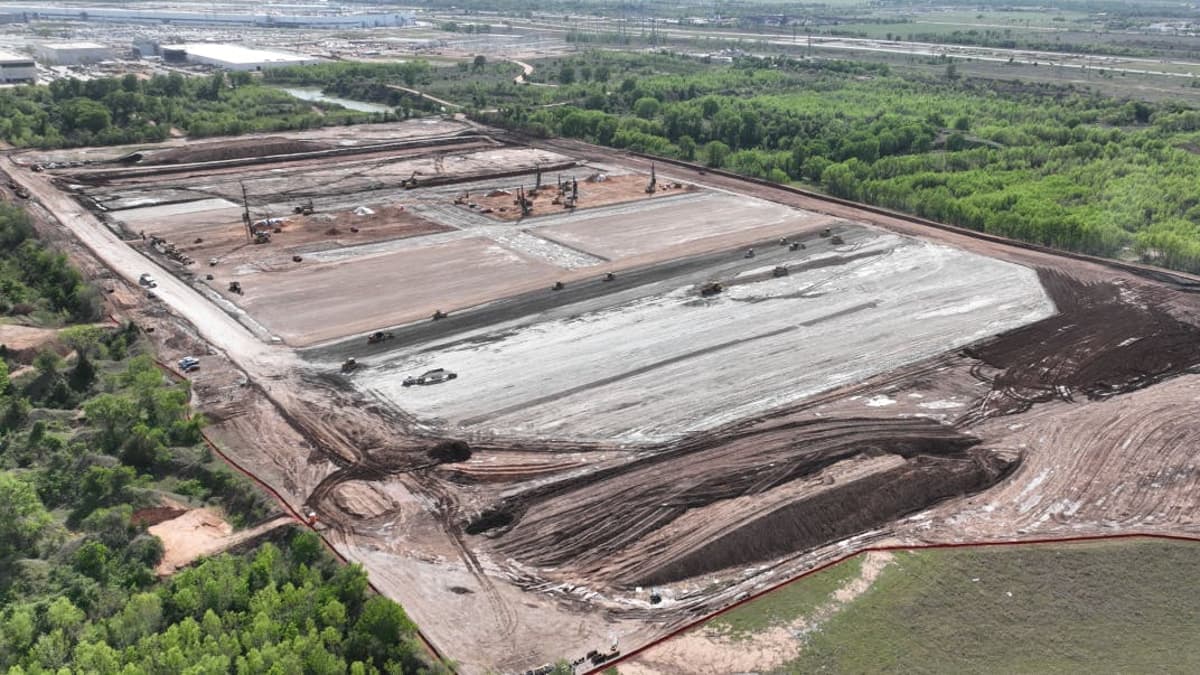
The centerpiece of the spending surge is the Optimus humanoid robot, with production slated for 1 million units per year at Fremont and a scalable Texas facility aiming for 10 million. If Musk’s timeline holds, the robots could transition from internal testing to commercial use by next year, opening a multi‑billion‑dollar market that blends manufacturing, logistics, and consumer services. Coupled with plans for proprietary AI chips and even speculative AI satellites, Tesla is positioning itself as a full‑stack robotics provider, potentially reshaping the competitive landscape beyond traditional automotive players.
Financially, the capex expansion will likely generate negative free cash flow for the remainder of 2026, a point the CFO acknowledged during the earnings call. The market reacted with a modest share decline to $378, erasing roughly 2% of value and leaving Tesla at a $1.4 trillion market cap. While short‑term cash pressure may concern investors, the long‑term bet is that owning critical technologies will drive higher margins and diversify revenue, a narrative that could attract growth‑focused capital if execution matches the ambitious roadmap.
Tesla Capex Plans Balloon by Another $5 Billion
Comments
Want to join the conversation?
Loading comments...