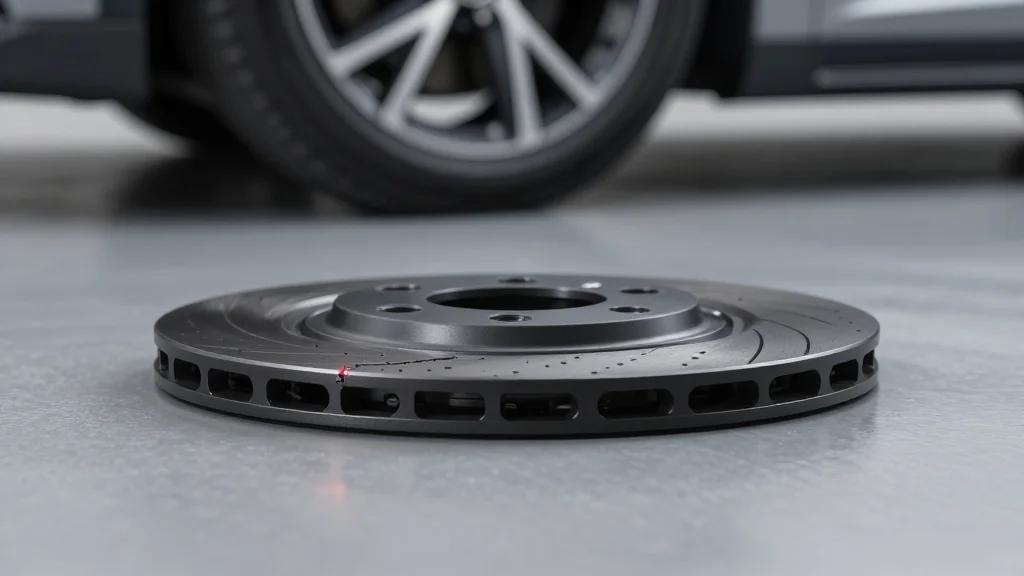
Tesla Recalls 173 Rear‑wheel‑drive Cybertrucks over Brake‑rotor Flaw

Companies Mentioned
Why It Matters
The recall spotlights a critical tension in electric‑vehicle manufacturing: the drive to innovate rapidly versus the need for proven reliability. Brake‑rotor failures on a high‑profile model like the Cybertruck could erode consumer trust, especially as regulators scrutinize EV safety more closely. For manufacturers, the episode underscores the importance of robust change‑management systems when introducing new materials such as ultra‑hard stainless steel and unconventional wheel designs. Beyond Tesla, the recall may influence how other automakers approach low‑cost EV pickup variants. With the market for electric trucks heating up, any safety setback can shift buyer preferences toward models with longer track records, potentially reshaping the competitive landscape in the next few years.
Key Takeaways
- •Tesla recalls 173 rear‑wheel‑drive Cybertrucks built 2024‑26 due to brake‑rotor stud cracks.
- •NHTSA report warns wheel stud separation could cause loss of vehicle control.
- •Recall covers trucks with 18‑inch steel wheels; production began Aug 28 2025 and stopped Nov 2025.
- •Tesla will replace rotors, hubs and lug nuts at no charge; owner letters to be mailed in June.
- •Only one confirmed field case and three warranty claims; no accidents reported.
Pulse Analysis
Tesla’s Cybertruck has always been a litmus test for how far an automaker can push design boundaries while keeping quality intact. The recall of 173 rear‑wheel‑drive units illustrates that even a limited‑run variant can expose systemic weaknesses in a company’s engineering validation and production oversight. The brake‑rotor issue stems from a combination of novel stainless‑steel construction and a rushed change‑management process—a reminder that material innovation must be matched by equally rigorous testing regimes.
From a market perspective, the recall could blunt the Cybertruck’s appeal among safety‑conscious fleet operators and family buyers, segments that Tesla has been courting with its Top Safety Pick+ credentials. Competitors such as Ford’s F‑150 Lightning and Rivian’s R1T have been emphasizing durability and proven component reliability; a high‑visibility defect on Tesla’s flagship pickup may tilt undecided buyers toward those alternatives.
Strategically, Tesla must balance the need to salvage the rear‑wheel‑drive’s brand equity with the broader goal of scaling its electric‑truck lineup. Accelerating the rollout of dual‑motor, higher‑priced variants while tightening its engineering change controls could restore confidence. Moreover, the incident may prompt regulators to tighten oversight of EV component testing, especially for parts that directly affect vehicle stability. How Tesla navigates this recall will be a bellwether for the industry’s ability to marry rapid innovation with the safety standards demanded by a mainstream market.
Tesla recalls 173 rear‑wheel‑drive Cybertrucks over brake‑rotor flaw
Comments
Want to join the conversation?
Loading comments...