Textile Body Urges Inclusion of Spinning Segment in TEEM to Boost Competitiveness
Why It Matters
Adding spinning to TEEM would reduce reliance on imported yarn, preserve value‑addition in India, and strengthen the entire textile value chain against international rivals.
Key Takeaways
- •CITI wants spinning added to TEEM for upstream modernization.
- •25% of India's spindle capacity sits idle, hurting supply chain.
- •Only 26% of spindles are modern, below global 33% average.
- •Modern yarn mills cut production cost to $0.013 per kg.
- •Upgrading spinning could boost productivity 25% and cut power 15%.
Pulse Analysis
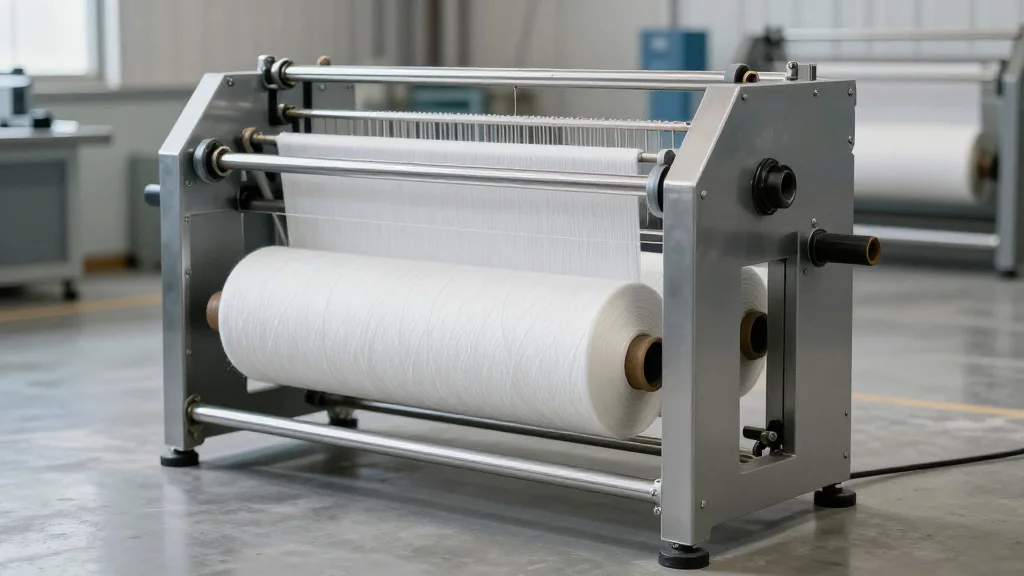
The Textile Expansion and Employment Mission (TEEM) was unveiled in the latest Union Budget as a catalyst for modernising India’s traditional textile clusters. While the programme currently focuses on weaving, processing and garmenting, industry leaders argue that excluding the spinning segment creates a structural bottleneck. Spinning is the upstream engine that feeds yarn to downstream manufacturers; without its upgrade, the entire value chain risks lagging behind faster‑moving competitors.
Data from CITI highlights a stark under‑utilisation of India’s spinning capacity—about a quarter of installed spindles remain idle. Moreover, only 26% of the nation’s spindles qualify as modern equipment, compared with 33% globally and 40% in China. The cost differential is equally telling: a modern mill can produce yarn at roughly $0.013 per kilogram, versus $0.019 in decade‑old facilities. These efficiency gaps translate into a 25% productivity boost, a 20% quality uplift, and a 15% reduction in power consumption when newer technology is adopted.
Incorporating spinning into TEEM would address these gaps by channeling capital support toward newer machinery, energy‑efficient processes, and common testing centres. The ripple effect would be a more reliable supply of high‑quality, specialised yarn for garment makers, reducing India’s dependence on imported yarn and enhancing export potential. As global apparel brands increasingly demand sustainable and technically advanced fabrics, a modernised spinning base could position India to compete more aggressively with China and Vietnam, securing higher margins and deeper integration into the global textile ecosystem.
Textile Body Urges Inclusion of Spinning Segment in TEEM to Boost Competitiveness
Comments
Want to join the conversation?
Loading comments...