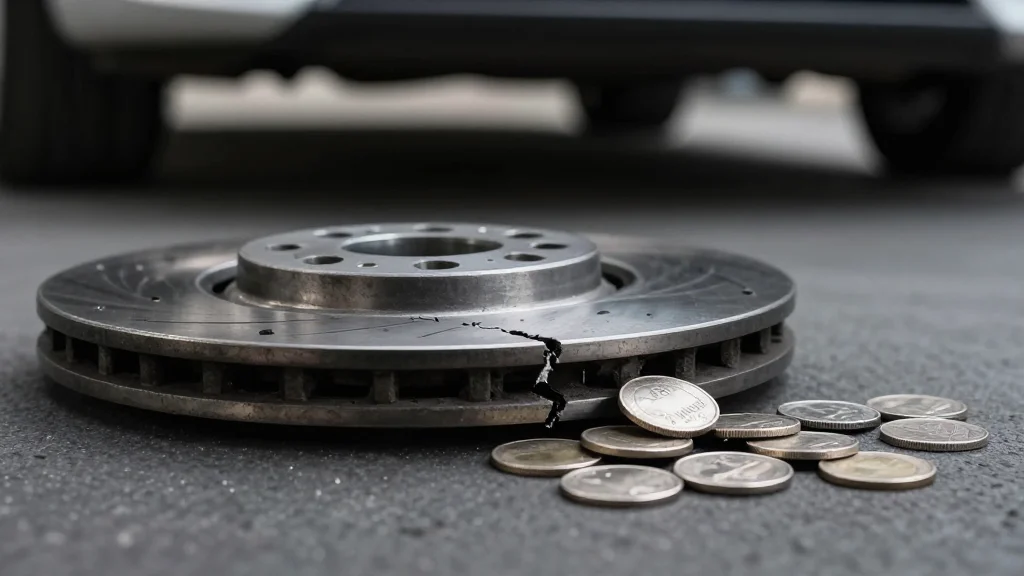
The $100B Quality Tax: Why the Industry Is Losing the War on Defects
Companies Mentioned
Why It Matters
Escalating quality costs erode profitability and limit investment in future‑tech, forcing automakers to prioritize defect mitigation. The shift reshapes competitive dynamics across the global automotive sector.
Key Takeaways
- •Warranty and recall costs topped $67 billion in 2023.
- •Automakers allocate 3‑4% of revenue to warranty claims.
- •Complex EV powertrains and software inflate defect risk.
- •Over‑the‑air updates can cut recall costs to pennies.
- •Predictive analytics enable pre‑emptive component swaps, saving millions.
Pulse Analysis
The automotive industry is now grappling with a $100 billion quality tax, as warranty and recall expenses surged to more than $67 billion in 2023 alone. Twelve of the world’s largest OEMs set aside $140 billion in warranty reserves, and U.S. dealers billed automakers over $30 billion for warranty work in 2025. Those outlays represent roughly 3‑4% of total revenue, diverting capital away from next‑generation investments such as solid‑state batteries, autonomous software, and advanced electronic architectures. The trend signals a structural cost pressure that could reshape R&D budgeting.
The root cause is not a single flaw but a perfect storm of complexity. Automakers are simultaneously rolling out high‑voltage EV powertrains, digital twins, zonal electronic architectures, and advanced driver‑assist systems while slashing development cycles and reducing physical prototypes. Software now contains four times more lines of code than an F‑35 fighter jet, leading to massive recall campaigns such as Ford’s recent software‑driven pull‑backs. Meanwhile, downsized engines with tighter tolerances have sparked costly V‑8 failures that can cost up to $12,000 per unit. These challenges also erode brand trust, prompting tighter regulatory scrutiny worldwide.
To stem the bleeding, OEMs are turning to three digital levers: over‑the‑air (OTA) updates, variation‑aware computer‑aided engineering, and AI‑driven predictive analytics. OTA fixes can resolve a recall for pennies in server time, eliminating the hundreds‑of‑dollars per VIN expense of a physical repair. Variation‑aware CAE models real‑world tolerances, allowing designers to anticipate failure modes before tooling. Predictive maintenance alerts dealers to replace a $50 sensor before a $7,000 engine catastrophe, converting warranty spend into proactive service revenue and restoring profit margins.
The $100B quality tax: Why the industry is losing the war on defects
Comments
Want to join the conversation?
Loading comments...