The Co-Manufacturer’s Dilemma: How MattPak Learned to Say Yes to More Business
Companies Mentioned
Why It Matters
The automation shift gives MattPak a scalable, capital‑light pathway to increase capacity and serve more customers, a critical advantage in the fast‑moving co‑manufacturing market. It demonstrates how flexible robotics models can unlock growth while improving safety and operational efficiency.
Key Takeaways
- •MattPak adopted Formic’s pay‑as‑you‑go robotic palletizer.
- •System achieved 98% uptime, eliminating temp labor for palletizing.
- •Monthly model freed six‑figure capital for other investments.
- •Automation enabled plans to double facility size to 100k sq ft.
Pulse Analysis
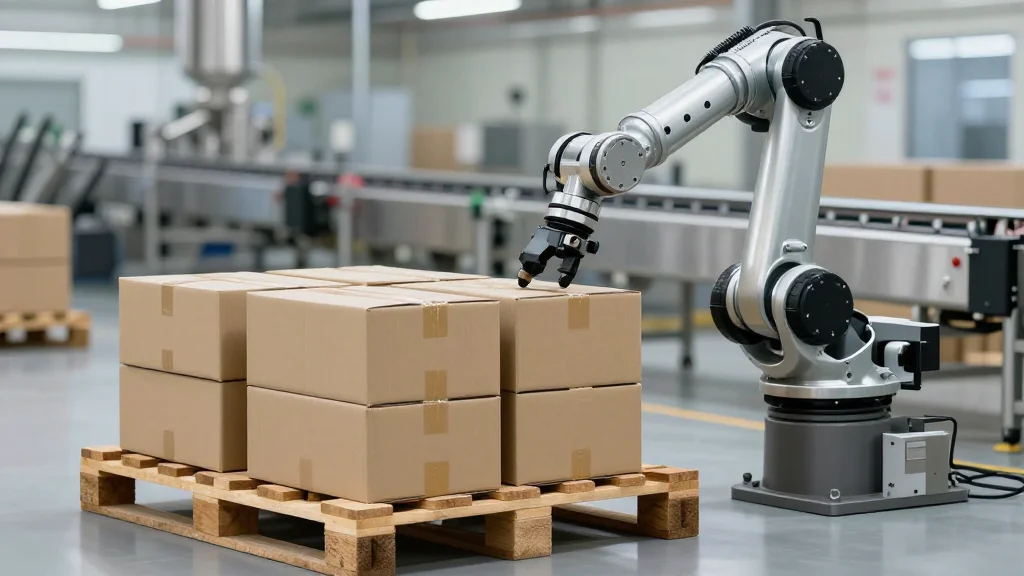
Co‑manufacturers like MattPak face a unique paradox: they must meet diverse client specifications while keeping costs and lead times low. Traditional automation often demands hefty capital outlays and specialized expertise, barriers that can stall scaling efforts. By embracing a service‑oriented robotics model, MattPak sidestepped these hurdles, integrating a KUKA‑based palletizer without a six‑figure purchase. The partnership’s use of augmented‑reality facility mapping ensured a seamless rollout, minimizing downtime—a crucial factor when production lines serve dozens of SKUs daily.
Formic’s subscription‑based approach transformed the financial calculus of automation. Instead of tying up capital, MattPak pays a predictable monthly fee, preserving cash flow for strategic investments such as new product lines or facility expansion. The robot’s 98% uptime and ability to handle variable pallet patterns have eliminated reliance on temporary labor, reducing both labor costs and injury risk. This operational elasticity allows the plant to respond quickly to shifting customer demands, a competitive edge in contract manufacturing where flexibility is a core value proposition.
The broader implication for the industry is clear: flexible, as‑a‑service automation can accelerate growth without the traditional risk profile. MattPak’s plan to expand from 55,000 to over 100,000 square feet illustrates how capital‑light robotics enable manufacturers to scale facilities, diversify product mixes, and increase throughput. As more co‑manufacturers adopt similar models, the sector may see a wave of investment redirected toward innovation and market expansion rather than sunk‑cost equipment, reshaping the economics of contract production.
The co-manufacturer’s dilemma: How MattPak learned to say yes to more business
Comments
Want to join the conversation?
Loading comments...