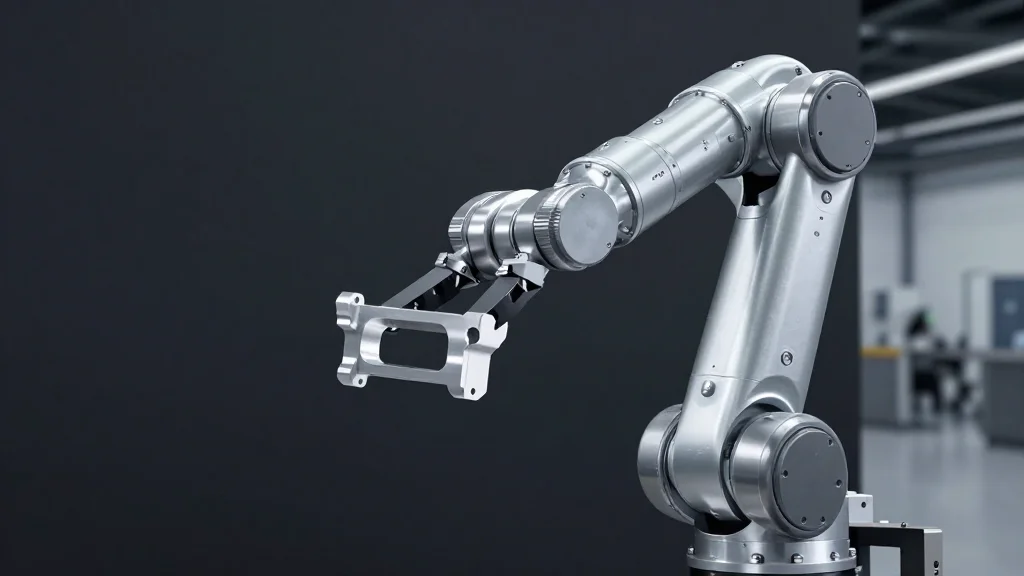
The Companies That Build Fast Will Win the Physical AI Race
Why It Matters
Speeding hardware iteration shortens time‑to‑market, directly affecting revenue and competitive advantage in the rapidly expanding physical AI sector. Companies that embed manufacturing readiness early can outpace rivals stuck in lengthy supply‑chain loops.
Key Takeaways
- •Early procurement cuts lead times for physical AI hardware
- •Digital sourcing platforms sync design changes with supplier constraints
- •Regional supplier diversification mitigates single‑source bottlenecks
- •Manufacturing readiness embedded in development accelerates scaling
- •81% of manufacturers target U.S. production growth
Pulse Analysis
Physical AI development has long been hampered by the lag between design and tangible hardware. While software models can be trained overnight, a single mechanical component often requires weeks of sourcing, fabrication, and testing before a new iteration can be evaluated. This disparity forces companies to treat the supply chain as an afterthought, resulting in schedule overruns and inflated costs. By treating procurement as a parallel engineering discipline, firms can align component availability with design cycles, effectively compressing the overall development timeline.
Digital manufacturing and sourcing platforms are the linchpin of this transformation. Integrated tools pull real‑time data from suppliers—lead times, pricing, capacity constraints—and overlay it onto CAD environments. Engineers receive immediate feedback when a design change would trigger a bottleneck, allowing them to substitute parts or adjust tolerances before committing to a build. The result is a continuous, data‑driven loop where cost, risk, and schedule are evaluated in lockstep, reducing the need for costly redesigns and enabling rapid, low‑volume production runs that mirror software’s agile cadence.
Strategic procurement further amplifies speed and resilience. Building a regional supplier base from day one gives companies multiple sourcing pathways, insulating them from geopolitical shocks or single‑source failures. The 2025 State of Manufacturing Report shows that 81% of leaders are expanding U.S. production while nearly half are diversifying globally, a trend that directly supports the fast‑iteration model required for physical AI. Organizations that embed manufacturing readiness into their product development DNA will not only meet launch windows but also set the benchmark for industrial leadership in the era of intelligent machines.
The Companies That Build Fast Will Win the Physical AI Race
Comments
Want to join the conversation?
Loading comments...