The Heartland’s Revenge: How AI Is Reindustrializing the American Interior
Companies Mentioned

Why It Matters
The shift rewires the American supply chain, reviving manufacturing jobs and boosting domestic energy‑intensive industries, while cementing the U.S. as a global AI hardware leader.
Key Takeaways
- •AI data‑center spend reaches $20 B every two weeks
- •Freight volumes rise 11% driven by industrial modes
- •500 MW center needs ~30,000 truckloads of materials
- •Natural‑gas surplus fuels energy‑intensive construction
- •Capital goods now 41% of U.S. imports
Pulse Analysis
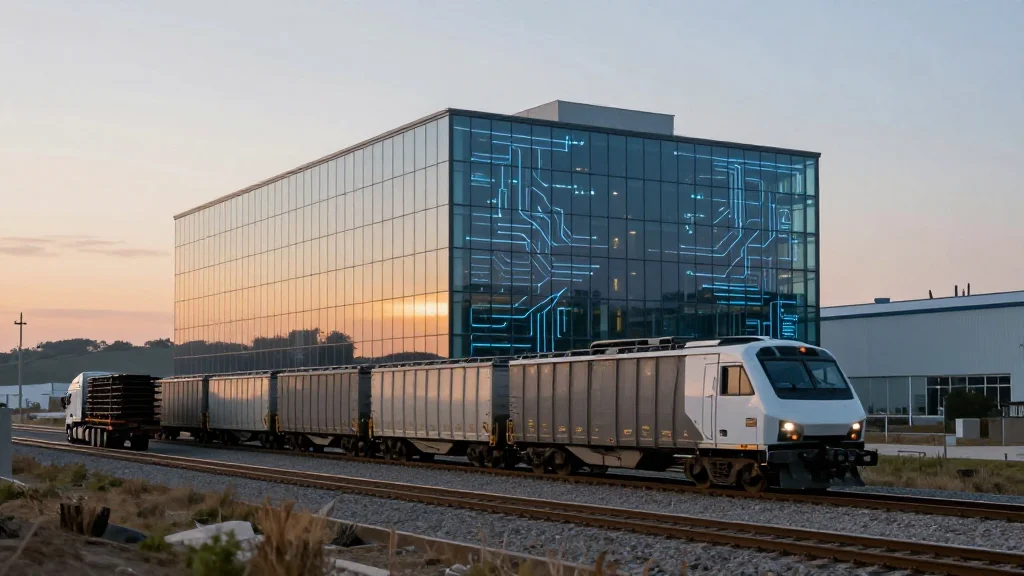
The AI boom is no longer confined to cloud software; it is manifesting as massive physical infrastructure. Companies are pouring private capital into "gigasites"—data centers that can consume as much power as a mid‑size city. A single 500‑megawatt facility requires roughly 30,000 truckloads of concrete, steel and copper, echoing the scale of the 20th‑century interstate highway program but at a dramatically faster pace. This construction surge is reshaping freight flows, with flat‑bed trucks and railroads moving raw materials from the Midwest and South to new AI hubs.
Underlying this construction wave is the United States' unrivaled natural‑gas abundance. The shale revolution left a surplus of cheap gas, which is now being piped directly to power‑intensive plants that manufacture steel, cement and other inputs. Federal tax credits that favor domestic content have nudged manufacturers back to the Rust Belt, turning former hollowed‑out regions into supply‑chain arteries. As utilities expand capacity—often financed by hyperscalers themselves—the energy cost advantage reinforces the Heartland's competitive edge over overseas rivals.
The economic implications are profound. An 11% rise in industrial freight signals a broader re‑shoring of high‑value manufacturing, while the ISM Manufacturing PMI above 50 confirms expanding output. With capital goods accounting for a record 41% of U.S. imports, the country is importing the tools to build its own AI future rather than finished consumer goods. This convergence of AI, energy surplus, and policy support could spark a new era of domestic manufacturing growth, reshaping regional economies and reinforcing U.S. leadership in the global tech arena.
The heartland’s revenge: how AI is reindustrializing the American interior
Comments
Want to join the conversation?
Loading comments...