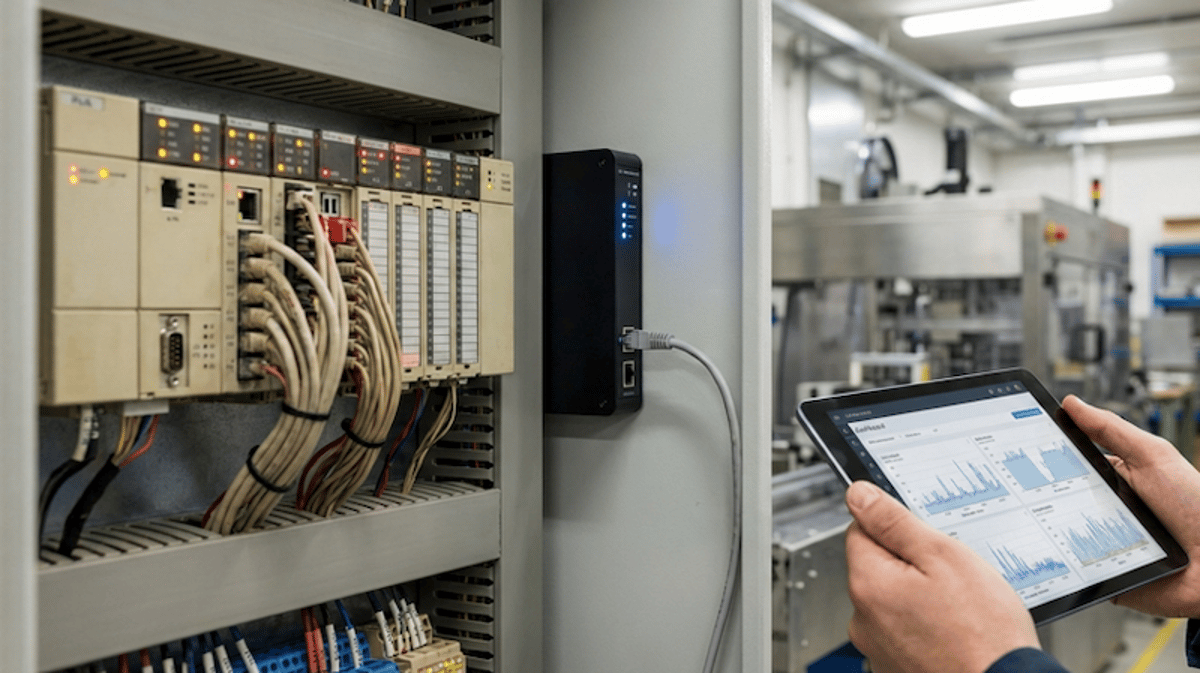
The Strategic Value of Legacy Components in Automation
Why It Matters
Legacy automation components protect production continuity and capital efficiency, making them a critical lever for manufacturers navigating digital transformation and sustainability mandates.
Key Takeaways
- •Legacy PLCs avoid costly full‑system downtime during upgrades.
- •Proactive spare‑part stockpiling cuts reactive maintenance expenses.
- •Edge gateways enable IIoT data from older serial interfaces.
- •Gray‑market distributors provide vetted, warrantied refurbished components.
- •Extending equipment life supports sustainability and circular‑economy goals.
Pulse Analysis
The economics of a full‑scale control‑system upgrade extend far beyond the price tag of new hardware. Production lines must shut down for days, engineers rewrite legacy code, and staff undergo extensive retraining—expenses that can eclipse the cost of a single replacement module. Legacy PLCs, having survived the "infant mortality" phase, sit in a predictable failure‑rate zone, offering manufacturers a proven reliability baseline while they evaluate incremental digital enhancements.
Effective obsolescence management shifts the focus from reactive fixes to strategic inventory planning. By auditing installed equipment and identifying end‑of‑life risks, plant managers can stock critical spares before a failure occurs, dramatically lowering downtime costs that in automotive or pharma settings can run into tens of thousands of dollars per hour. Independent distributors and vetted gray‑market sources, such as ChipsGate, play a pivotal role by offering tested, warrantied refurbished parts and archived documentation, mitigating the supply‑chain gaps left by OEMs that have discontinued support.
Integrating legacy hardware into the IIoT era is increasingly feasible through edge gateways and protocol converters that translate serial signals into modern MQTT or OPC UA streams. This "wrap‑and‑extend" approach delivers real‑time analytics without altering proven control logic, enabling a low‑risk entry into smart manufacturing. Moreover, extending the service life of existing equipment aligns with sustainability goals, reducing electronic waste and supporting circular‑economy initiatives. Companies that balance new digital investments with strategic legacy stewardship position themselves for resilient, cost‑effective growth.
The Strategic Value of Legacy Components in Automation
Comments
Want to join the conversation?
Loading comments...