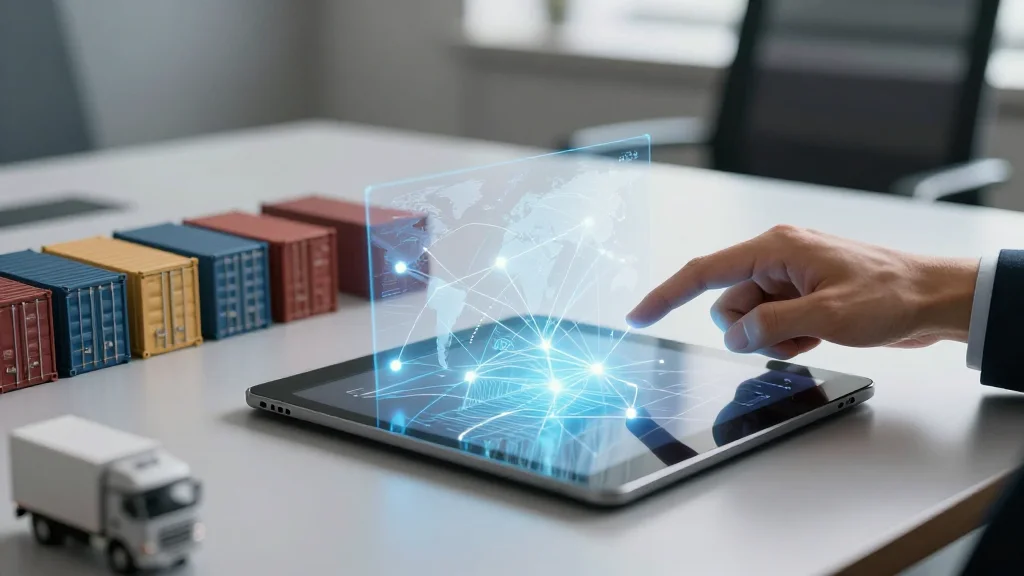
The Supply Chain Control Tower: Myth & Reality, Part II—The Rise of Intelligent Orchestration
Why It Matters
AI‑enabled control towers give enterprises real‑time resilience and strategic agility, turning data into proactive, profit‑driving decisions across the network.
Key Takeaways
- •AI transforms control towers from dashboards to autonomous decision platforms
- •Generative AI creates real-time reports and scenario simulations
- •Unified data foundation essential for accurate AI-driven insights
- •Retail and consumer goods case studies show cost and sustainability gains
- •Adoption requires data governance, ethical safeguards, and workforce upskilling
Pulse Analysis
The exponential growth of digital data—projected to reach 181 zettabytes by 2025—has forced supply‑chain leaders to rethink traditional control‑tower models. What began as a single pane‑of‑glass for visibility is now a sophisticated, AI‑driven nerve center that ingests streams from ERP, IoT sensors, carrier APIs and external market feeds. By applying machine‑learning algorithms and generative AI, these platforms move beyond reporting to prescriptive and autonomous orchestration, aligning with the Industry 5.0 promise of human‑machine collaboration.
At the heart of this transformation is an AI stack that layers data ingestion, advanced analytics, continuous learning and cognitive automation. The stack enables real‑time demand forecasting, dynamic routing, inventory rebalancing and early disruption detection. Deloitte’s case studies illustrate tangible outcomes: a global consumer‑goods firm cut demurrage fees and boosted container utilization, while a leading retailer reduced waste and improved supplier coordination through scenario‑based planning. These gains stem from AI’s ability to simulate thousands of what‑if scenarios, prioritize alerts by business impact and even trigger corrective actions without manual intervention.
Despite the upside, successful deployment hinges on robust data governance, ethical AI safeguards and a workforce equipped to partner with intelligent agents. Organizations must reconcile disparate partner data silos, establish a single source of truth and invest in change‑management programs that upskill analysts and planners. Companies that master these foundations will secure a competitive edge—realizing faster response times, lower operating costs and heightened resilience in an era of perpetual disruption. The next generation of control towers will not merely monitor supply chains; they will actively shape their future.
The Supply Chain Control Tower: Myth & reality, Part II—The rise of intelligent orchestration
Comments
Want to join the conversation?
Loading comments...