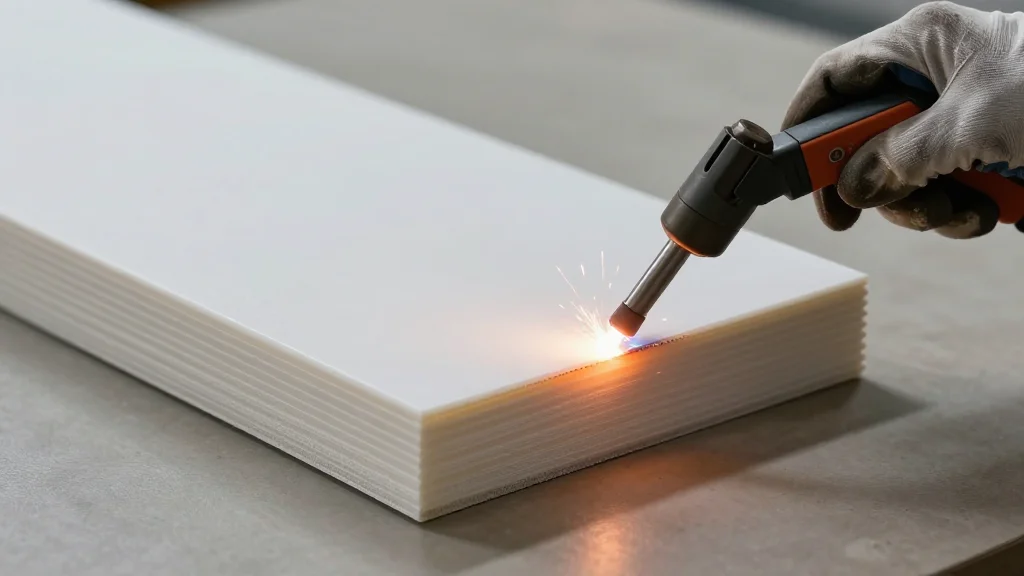
TheSaKo Project Considers SME-Volume Thermoplastic Sandwich Structure Joining, Repair Methods
Why It Matters
By delivering fast, material‑efficient joining and repair methods, TheSaKo enables small‑ and medium‑sized manufacturers to adopt lightweight thermoplastic composites, improving competitiveness and sustainability in sectors ranging from automotive to logistics.
Key Takeaways
- •Thermoplastic sandwich panels now joinable without extra fasteners
- •New TS-Molding forms joining zones during thermoforming
- •SME production runs reduced setup time and material costs
- •Integrated repair concepts improve moisture and temperature resistance
- •Project backed by German federal ministry and industry partners
Pulse Analysis
Thermoplastic sandwich panels combine rigid skins with a lightweight core, delivering high stiffness‑to‑weight ratios while remaining fully recyclable. Their ability to be produced in batches from 10 to 10,000 units makes them attractive for midsize manufacturers seeking resource‑efficient designs. However, the lack of scalable joining and repair methods has kept many small‑ and medium‑sized enterprises (SMEs) from adopting the technology, as traditional metal fasteners add weight, cost, and complicate recycling streams. Overcoming these barriers is essential for broader market penetration of lightweight composites.
TheSaKo, a two‑year initiative led by Fraunhofer IMWS and the SKZ Plastics Center, tackles the joining challenge by embedding deformable interfaces directly in the thermoforming step. The patented thermoplastic sandwich molding (TS‑Molding) creates localized 2D/3D zones that can be welded or adhesively bonded along load‑optimized paths, eliminating the need for separate fasteners. Parallel work on moisture‑ and temperature‑resistant repair patches preserves the material’s recyclability and extends service life. An advisory board of automation, engineering and adhesive specialists ensures that the solutions remain production‑ready for SMEs.
Early demonstrators already show modular large‑scale structures such as swap bodies for commercial trucks, hinting at a new class of lightweight, reusable logistics equipment. For SMEs, the reduced setup times, lower material inventory and open recycling loops translate into faster time‑to‑market and higher profit margins. Backed by the German Federal Ministry for Economic Affairs and Energy, the project also paves the way for technology transfer through industry consortia, positioning Germany as a hub for next‑generation composite manufacturing.
TheSaKo project considers SME-volume thermoplastic sandwich structure joining, repair methods
Comments
Want to join the conversation?
Loading comments...