Effective lighting management directly impacts plant uptime, employee well‑being, and regulatory compliance, making it a strategic lever for manufacturing competitiveness.
Beyond the headline‑grabbing energy numbers, a comprehensive lighting audit serves as a diagnostic map for plant operations. It identifies fixtures that are approaching end‑of‑life, allowing managers to bundle replacements with scheduled maintenance windows. This proactive approach eliminates surprise outages caused by a single failed bulb, which can halt production lines and trigger costly emergency repairs. Moreover, the audit quantifies potential rebates and incentive programs, turning what appears as a capital expense into a net‑positive investment.
Safety and worker performance are tightly coupled to illumination quality. Adequate lighting reduces the likelihood of slips, trips, and equipment mishandling, especially in high‑traffic zones like forklift pathways and loading docks. Proper light levels also support clear surveillance footage and meet NFPA emergency‑lighting mandates, protecting both personnel and the facility’s insurance standing. From a health perspective, balanced LED spectra mitigate eye strain and fatigue, while adjustable color temperatures can be tuned for active workstations versus break areas, directly boosting morale and output.
Artificial intelligence is reshaping how plants manage lighting lifecycles. AI platforms ingest sensor data and maintenance histories to predict fixture failures months in advance, automatically generating purchase orders and aligning labor schedules with upcoming shutdowns. This predictive capability minimizes disruption and ensures compliance with safety standards without manual oversight. Partnering with experienced lighting auditors amplifies these benefits, as they bring expertise in code compliance, rebate navigation, and technology integration, delivering a holistic strategy that extends ROI well beyond simple kilowatt‑hour savings.
Energy savings is only one potential benefit of a lighting audit in a plant.
Workers benefit from lighting audits because poorly lit and overly bright workplaces impact worker health.
Lighting audits can help plants avoid costly shutdowns because they offer insight into what should be replaced so those replacements can be made during planned shutdowns.
Many plant managers prioritize energy savings as the driving factor when it comes to upgrading lighting components such as fixtures, bulbs, design and more. But while energy savings can certainly be a factor, the truth is, a proper lighting audit can have a positive impact on several aspects of plant operations. From safety and security to production lines, worker health to productivity, a professional lighting audit can provide benefits well beyond energy savings.
Here’s what a plant manager should consider when developing a strategic lighting plan to support successful operations.
Energy savings are a potential benefit from a comprehensive lighting audit and upgrade, but actual cost savings may vary heavily depending on the lighting situation. Facilities that already use LED lights, for example, might not move the energy savings needle that much by going from one generation of LEDs to the next. The savings could be around 15%. However, making the leap from older fluorescent lights to LEDs could result in a significant energy savings – think up to 70%.
Cost and energy savings from a lighting audit and upgrade can be measurable and significant but will ultimately depend on a plant’s current lighting set up. As a result, plant managers should also take other factors into consideration when evaluating whether to upgrade their light fixtures.
Planned maintenance shutdowns are disruptive enough, but impromptu stoppages can be even more challenging to manage. While most unplanned outages can be attributed to machines going down or needing unscheduled maintenance, something as simple as a light going out can cause it as well. Low – or no – visibility can make it unsafe to operate machinery on the production line. And, depending on where the fixture is situated, a production line may need to be shut down so technicians can access and replace the bulb.
To ensure minimal impact to production lines, plant managers should work hard to stay on top of maintenance schedules to avoid emergency situations. Understanding when light fixtures reach the point of replacement can help plant managers ensure that lights don’t cause unplanned downtime.
As a side note, it might be worth keeping extra fixtures onsite for when emergencies do arise. Unlike the lights in homes, lights on the plant floor often can’t be picked up at a retailer. In fact, they may have long lead times or be difficult to source, especially if they’re older models. Having spares on hand ensures that if a component needs to be swapped, it can quickly be replaced.

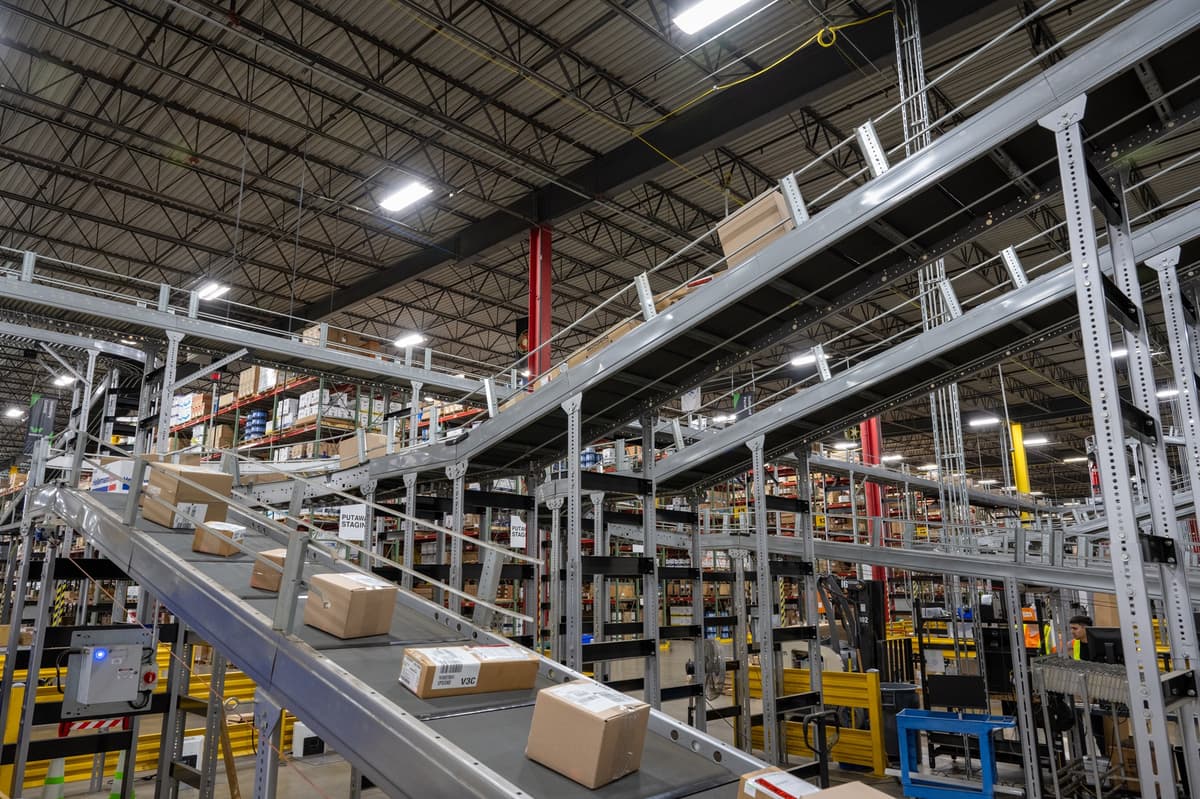
Figure 1: Staying on top of lighting maintenance schedules can help plant managers avoid impact to their production lines. Courtesy: Wesco
Simply put, proper lighting is critical to ensuring safe plant floor operations, especially in areas with heavy equipment like forklifts. Additionally, if an area is poorly lit, workers may not be able to clearly see spills or other hazards on the floor, which could lead to unnecessary – and costly – injuries.
Outdoor lighting is often overlooked as a safety consideration but is essential to securing the facility’s perimeter and ensuring employees can get to and from their car safely. As part of an overall lighting evaluation, plant managers should regularly inspect the poles that hold the lights up to ensure that even when bulbs are up to code and bright enough, the poles aren’t going to falter. Further, to ensure the effectiveness of surveillance cameras, proper lighting must be in place to deliver clear video.
Emergency lighting is also an area that often gets forgotten. National Fire Protection Agency (NFPA) inspection and testing standards mandate 90 minutes of lighting on backup or battery power to ensure everyone inside can safely exit the building. Plant managers need to ensure they have the lighting in place required to comply with this code requirement.
The quality, intensity and design of lighting significantly impacts plant workers’ productivity and well-being. LED lighting has proven to improve an employee’s mood, alertness and performance compared to fluorescent lights.
While natural light is ideal, it’s not always realistic for every facility, especially for second or third shifts. LED lighting offers a good alternative with flicker-free illumination. Its color temperatures can also be adjusted to suit different areas: cool white or blue-enriched light for active workspaces and yellow light for break areas. Plant managers should evaluate when and where to install specific bulbs to support improved productivity and overall employee well-being.
From a health perspective, inadequate lighting can lead to eye strain, headaches and fatigue. Conversely, lighting that is too bright can also cause similar issues. As such, it is critical to understand when bulbs need to be replaced. For example, while LEDs don’t typically burn out; they dim over time, which can cause eye strain. Fluorescent bulbs can have the opposite effect and be too bright, causing headaches. While fluorescent bulbs are no longer sold in many states, many companies that had a backstock may still be using them in their plants in the years to come.
In warehouses, poor lighting can also lead to costly picking errors if labels or barcodes are difficult to read.
Putting lamp replacements in 15- or 20-year-old fixtures or LED tubes in fluorescent fixtures is often a bad investment and can be dangerous.
At some point, older light fixtures become weak and inefficient, and in some cases, may not comply with current standards. If there’s a fire, or an employee is injured, insurance may deny claims if it’s evident that the fixtures were not maintained or were faulty. Plant managers need to strategically evaluate on a case-by-case basis whether a new fixture or retrofit kit is the best option. In some cases, new fixtures may cost the same and would greatly improve the safety and aesthetics of a plant floor and can even qualify for rebates. As a side note, working with a professional lighting auditor can help ensure plant managers are aware of any potential rebates to improve return on investment.
Lastly, artificial intelligence (AI) is also proving to help manage lighting lifecycles and support a strategic plant lighting strategy. From proactively alerting plant management of expected failure timelines and ensuring replacement parts are ordered in a timely manner, to determining the labor needed to replace the fixtures and then actually scheduling that labor, AI is a game changer.
Not only can AI manage the operational aspects of lighting replacements, but it will also be able to time lighting replacements with planned shutdowns to minimize disruptions. Plant engineers, already familiar with automation, will also be empowered to put auto-procurement in place.
Clearly, a lighting audit can have a variety of benefits beyond just energy savings. But depending on the facility’s situation, getting started might seem daunting. That’s why it’s important to have a trusted partner. A partner can help plant managers understand where to start a lighting audit and ensure that it’s ideally suited to solve specific challenges. They can help spot opportunities to use lighting to enhance operations or capitalize on rebates. And when it’s time to upgrade or replace a lighting system, they can source products.
From ensuring the safety and well-being of employees, to maximizing productivity and proactively managing materials, a thoughtful approach to lighting, starting with a professional audit, can yield far greater returns over time than simply calculating energy savings.
The post Think lighting audits are just about energy savings? Think again appeared first on Plant Engineering.
Comments
Want to join the conversation?
Loading comments...