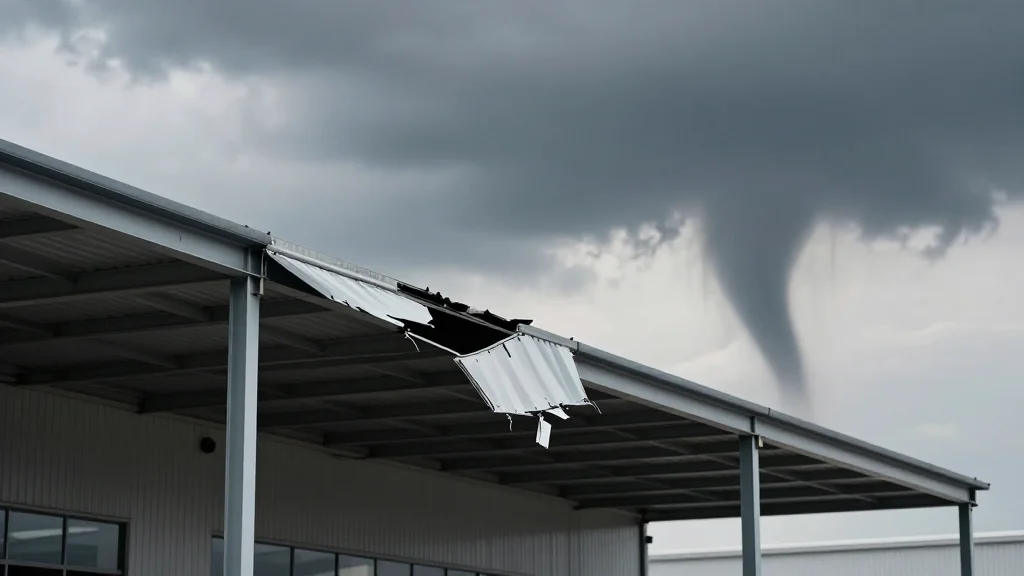
Tornado Halts Parts Building at Rivian’s Normal, Illinois Plant, No Injuries Reported

Companies Mentioned
Why It Matters
The tornado’s impact on Rivian’s Illinois plant highlights how extreme weather can directly threaten the supply chain of high‑growth sectors like electric vehicles. A delay in the R2’s production could affect Rivian’s ability to meet its ambitious sales targets and erode investor confidence at a critical growth phase. Moreover, the event serves as a cautionary tale for other manufacturers that rely on centralized facilities in weather‑prone regions, prompting a reassessment of site resilience, insurance strategies, and contingency planning. For the broader manufacturing ecosystem, the incident reinforces the urgency of integrating climate risk into operational planning. As the Midwest experiences more frequent severe storms, companies may need to diversify production footprints, invest in hardened infrastructure, and develop rapid‑response logistics to safeguard output and protect shareholder value.
Key Takeaways
- •Tornado damaged Building 2, a parts‑storage and logistics hub at Rivian’s Normal, Illinois plant on April 20.
- •CEO RJ Scaringe confirmed no injuries; assembly lines for the R2 SUV remain operational.
- •Rivian expects to complete inspections and resume use of the damaged building later this week.
- •Potential short‑term inventory constraints could affect the planned 30,000‑unit R2 launch in spring.
- •Rivian’s stock fell 2.3% in after‑hours trading as investors gauge the impact on production timelines.
Pulse Analysis
Rivian’s swift communication and the continued operation of its assembly lines demonstrate a robust crisis‑management framework, yet the episode exposes a structural weakness: reliance on a single, large‑scale facility for critical component staging. In the EV market, where time‑to‑market is a competitive lever, even a few days of disruption can cascade into missed sales windows and heightened competitive pressure from legacy automakers accelerating their own EV rollouts.
Historically, automotive manufacturers have mitigated such risks through geographic diversification—multiple plants across different climate zones. Rivian’s current footprint is heavily weighted in the Midwest, a strategic choice driven by incentives and proximity to key suppliers. The tornado may accelerate discussions about expanding or replicating critical functions at secondary sites, perhaps in the South or West, to buffer against regional weather volatility.
From a financial perspective, the incident could modestly increase capital expenditures as Rivian invests in rebuilding and possibly retrofitting the damaged structure to higher resilience standards. While the immediate cost is likely absorbed within existing budgets, the longer‑term implication is a shift in how EV manufacturers allocate capital toward risk mitigation versus capacity expansion. Investors will be watching Rivian’s next earnings release for any revisions to its cost outlook or production guidance, and the broader market may see a ripple effect as other OEMs reassess their own exposure to climate‑related operational risks.
Tornado Halts Parts Building at Rivian’s Normal, Illinois Plant, No Injuries Reported
Comments
Want to join the conversation?
Loading comments...