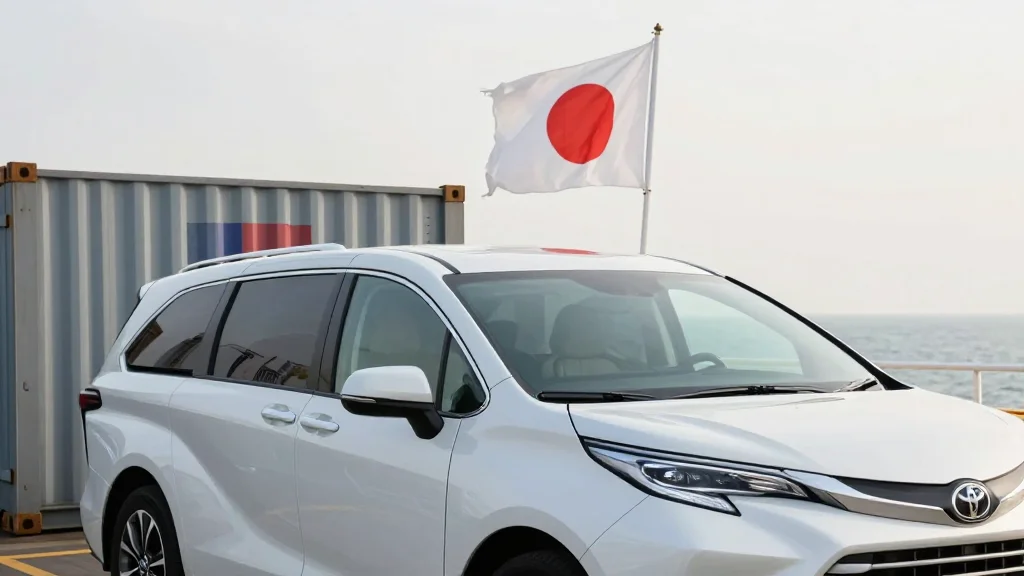
Toyota to Ship Taiwan‑Built Noah and Voxy Minivans to Japan Amid Factory Strain

Companies Mentioned
Why It Matters
The decision to import Taiwan‑built minivans for the Japanese market signals a turning point in how Japan’s auto giants address chronic capacity shortages. By leveraging overseas facilities for domestic‑market models, Toyota is redefining the traditional “Made in Japan” supply chain, potentially reshaping labor dynamics, regional investment, and the competitive balance with rivals who may follow suit. If successful, the strategy could encourage other manufacturers to adopt similar reverse‑import models, accelerating the globalization of production while preserving brand identity at home. Conversely, it raises questions about the long‑term viability of Japan’s manufacturing base and the political implications of relying on foreign plants to meet domestic demand.
Key Takeaways
- •Toyota will ship Taiwan‑assembled Noah and Voxy minivans to Japan starting in October.
- •The new Taiwan line targets roughly 100,000 vehicles per year, mainly lower‑cost variants.
- •Domestic factory utilization is near 100%, with labor shortages and higher material costs driving the shift.
- •Japanese‑brand cars built overseas and sold domestically rose 19% to over 111,000 units last year.
- •President Kenta Kon described the capacity strain as “abnormal and critical.”
Pulse Analysis
Toyota’s reverse‑import strategy reflects a pragmatic response to structural constraints in Japan’s auto manufacturing ecosystem. Historically, Japanese automakers have exported surplus capacity to overseas markets, but the current environment—characterized by an aging workforce, stringent safety regulations, and a post‑pandemic surge in demand—has inverted that logic. By establishing a dedicated line in Taiwan, Toyota not only sidesteps domestic bottlenecks but also leverages the island’s existing joint‑venture infrastructure, reducing the time and capital required to stand up a new plant.
The move also carries macro‑economic implications. A weaker yen makes overseas production relatively more expensive in yen terms, yet Toyota judges the trade‑off worthwhile to avoid lost sales and brand erosion. If the Taiwan line meets delivery targets, it could set a precedent for other high‑volume models, prompting a wave of similar offshore‑to‑home initiatives across the industry. This could dilute the “Made in Japan” premium that has long underpinned the country’s automotive reputation, but it may also preserve it by ensuring Japanese consumers continue to receive timely product updates.
Looking forward, the success of this venture will hinge on Toyota’s ability to manage quality control across borders and to navigate any political sensitivities surrounding cross‑strait trade. Should the Taiwan‑built minivans achieve on‑time delivery and maintain Toyota’s quality standards, the company will have validated a new template for capacity management that could be replicated in other regions, such as Southeast Asia or Mexico, further globalizing Japan’s manufacturing footprint while safeguarding its domestic market share.
Toyota to Ship Taiwan‑Built Noah and Voxy Minivans to Japan Amid Factory Strain
Comments
Want to join the conversation?
Loading comments...