Tratos Group Signs Agreement with Exel Composites to Support Grid Modernization
•March 2, 2026
0
Why It Matters
The deals accelerate adoption of lightweight, durable composite solutions in critical energy and water infrastructure, boosting efficiency and reducing lifecycle costs for operators worldwide.
Key Takeaways
- •Tratos secures £22M composite core supply 2026‑2029
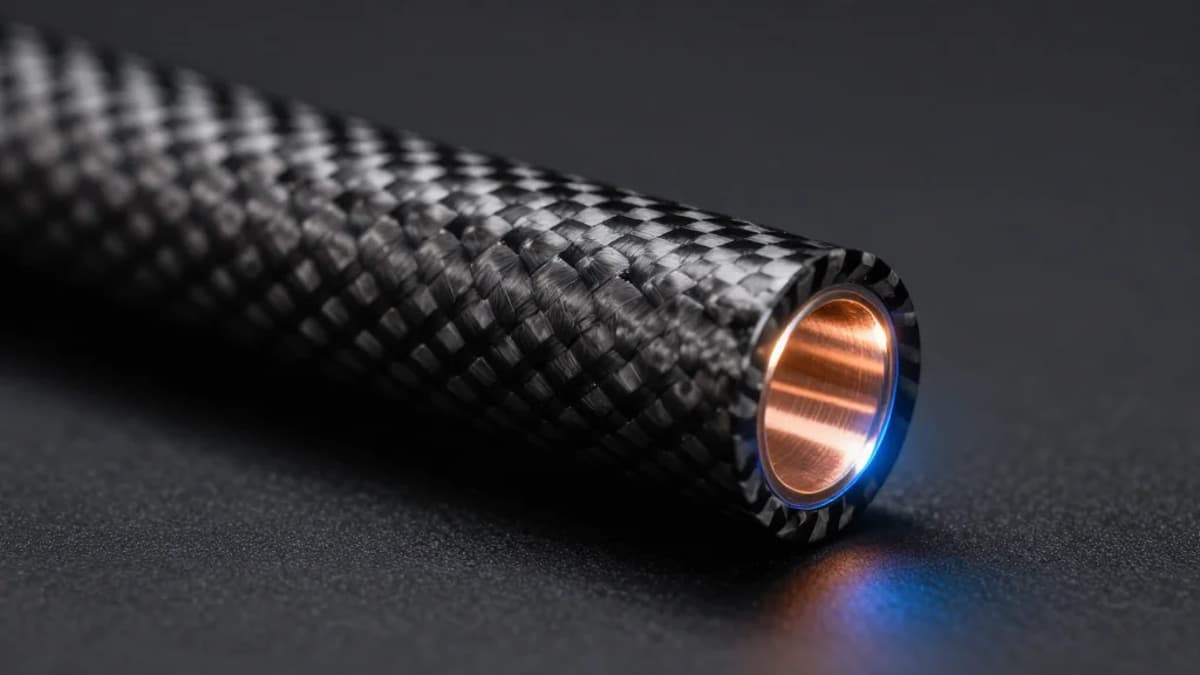
- •Carbon‑fiber cores boost grid capacity, reduce sag
- •Exel’s continuous manufacturing ensures quality‑controlled cores
- •Scott & Fyfe expands AlphaShield via North American distributor
- •Waterline Renewal to ship 40 km pipe liners monthly
Pulse Analysis
The Tratos‑Exel agreement marks a pivotal step in the transition from steel‑reinforced conductors to carbon‑fiber composite cores, a technology that delivers higher tensile strength and lower thermal expansion. By integrating Exel’s continuously manufactured cores, Tratos can offer utilities the ability to upgrade transmission capacity without the expense of new towers, directly supporting grid resilience goals outlined in Europe’s energy‑transition roadmaps. This shift also aligns with broader sustainability targets, as composite conductors are lighter, require less material, and have a longer service life, reducing both carbon footprints and maintenance cycles.
Meanwhile, Scott & Fyfe’s partnership with Waterline Renewal Technologies underscores the growing demand for non‑intrusive pipe‑rehabilitation methods in North America’s aging water and wastewater networks. AlphaShield’s fiberglass CIPP technology allows operators to replace deteriorating pipelines without excavation, minimizing disruption to communities and cutting labor costs. The exclusive distribution agreement accelerates market penetration, leveraging Waterline’s established logistics network to deliver over 40 kilometres of liner material each month, thereby shortening project timelines and enhancing service reliability.
Both announcements reflect a broader industry trend toward advanced composite materials that combine performance with sustainability. As utilities and municipal agencies grapple with infrastructure bottlenecks, the scalability and durability of carbon‑fiber conductors and fiberglass CIPP systems provide compelling alternatives to traditional solutions. Investors and policymakers are likely to view these collaborations as indicators of rising capital allocation toward next‑generation infrastructure, potentially influencing future standards and regulatory frameworks worldwide.
Tratos Group signs agreement with Exel Composites to support grid modernization
0
Comments
Want to join the conversation?
Loading comments...