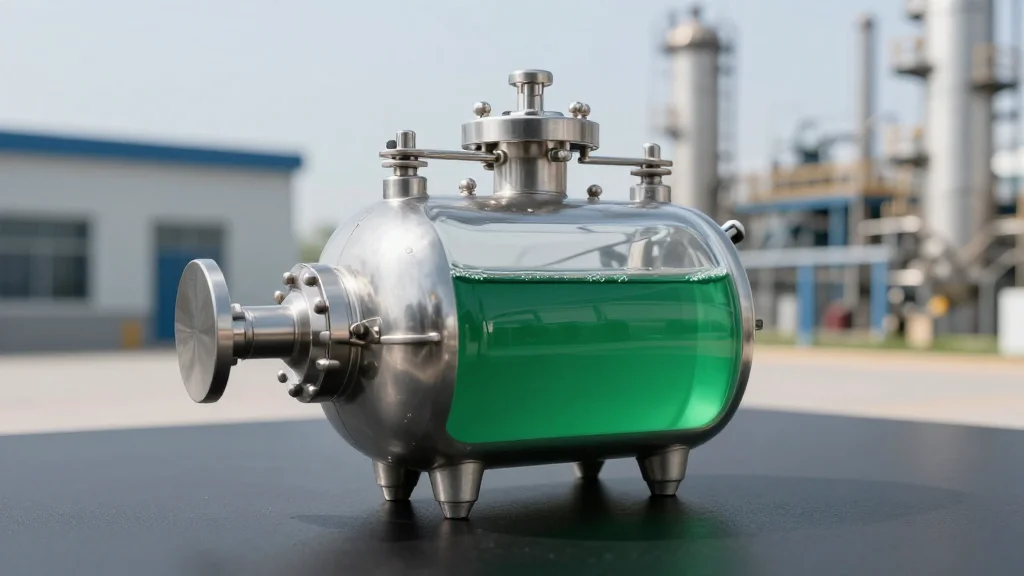
Trillium Raises $13 Million for Demonstration Plant for Bio-Based Acrylonitrile
Why It Matters
By delivering a drop‑in, renewable acrylonitrile, Trillium addresses a major emissions source in the chemicals sector and gives aerospace, automotive and polymer manufacturers a ready‑to‑use low‑carbon alternative. The successful demonstration could accelerate investment in bio‑based monomers and reshape the global acrylonitrile supply chain.
Key Takeaways
- •Trillium raised $13 M Series B led by HS Hyosung
- •Falcon demonstration plant completed, commissioning Q2 2026
- •Bio‑based acrylonitrile replaces fossil feedstock in existing supply chains
- •Pilot validated glycerol‑to‑acrylonitrile chemistry at industrial scale
- •Partners include Ineos Nitriles, Capricorn Partners, and DOE funding
Pulse Analysis
The global acrylonitrile market, exceeding 6 million metric tonnes annually, is dominated by petro‑derived production. Acrylonitrile is a cornerstone monomer for carbon fibre, synthetic rubber, plastics and high‑performance textiles, making its carbon footprint a strategic concern for aerospace, automotive and specialty polymer sectors. Growing regulatory pressure and corporate sustainability pledges have intensified the search for drop‑in alternatives that can be integrated without redesigning downstream processes. In this context, bio‑based routes that leverage renewable feedstocks are gaining investor attention as a pathway to decarbonise a critical supply chain.
Trillium Renewable Chemicals has advanced a glycerol‑to‑acrylonitrile catalytic process that converts a by‑product of biodiesel into a 100 % bio‑based monomer. After a multi‑year pilot that proved technical viability, the company secured a $13 million Series B round, led by HS Hyosung Advanced Materials, supplemented by Capricorn Partners and a prior $2.5 million DOE award. The capital funded the design, construction and completion of Project Falcon at Ineos Nitriles’ Green Lake facility, slated for commissioning in the second quarter of 2026. Falcon will demonstrate scale‑up performance and product quality comparable to conventional acrylonitrile.
If Falcon meets its targets, Trillium’s technology could enable a seamless substitution of fossil‑based acrylonitrile, preserving existing plant configurations while delivering a greener feedstock. This would open immediate opportunities for manufacturers of lightweight composites, performance textiles and specialty polymers seeking to lower embodied emissions. The next step is engineering a commercial‑scale plant, already under discussion with strategic partners and prospective customers. Successful commercialization could reshape the acrylonitrile value chain, attract further capital, and set a precedent for other bio‑based monomers in the chemical industry.
Trillium raises $13 million for demonstration plant for bio-based acrylonitrile
Comments
Want to join the conversation?
Loading comments...