Trinckle Patents User Guided 3D Printing Configuration
Key Takeaways
- •Guardrailed configurator separates expert constraints from user choices
- •Patent covers dental segmentation and broader multi‑material 3D parts
- •Enables SaaS platforms to offer safe online part customization
- •Reduces engineering labor in distributed additive manufacturing services
Pulse Analysis
Mass customization has long been the holy grail of additive manufacturing, but unrestricted design freedom often leads to weak geometry, unsupported overhangs, or parts that fail to meet functional specifications. Traditional workflows require skilled engineers to vet each model, a bottleneck that limits scalability for service bureaus and online configurators. The industry therefore needs a middle ground that preserves design intent while still allowing end‑users to personalize products.
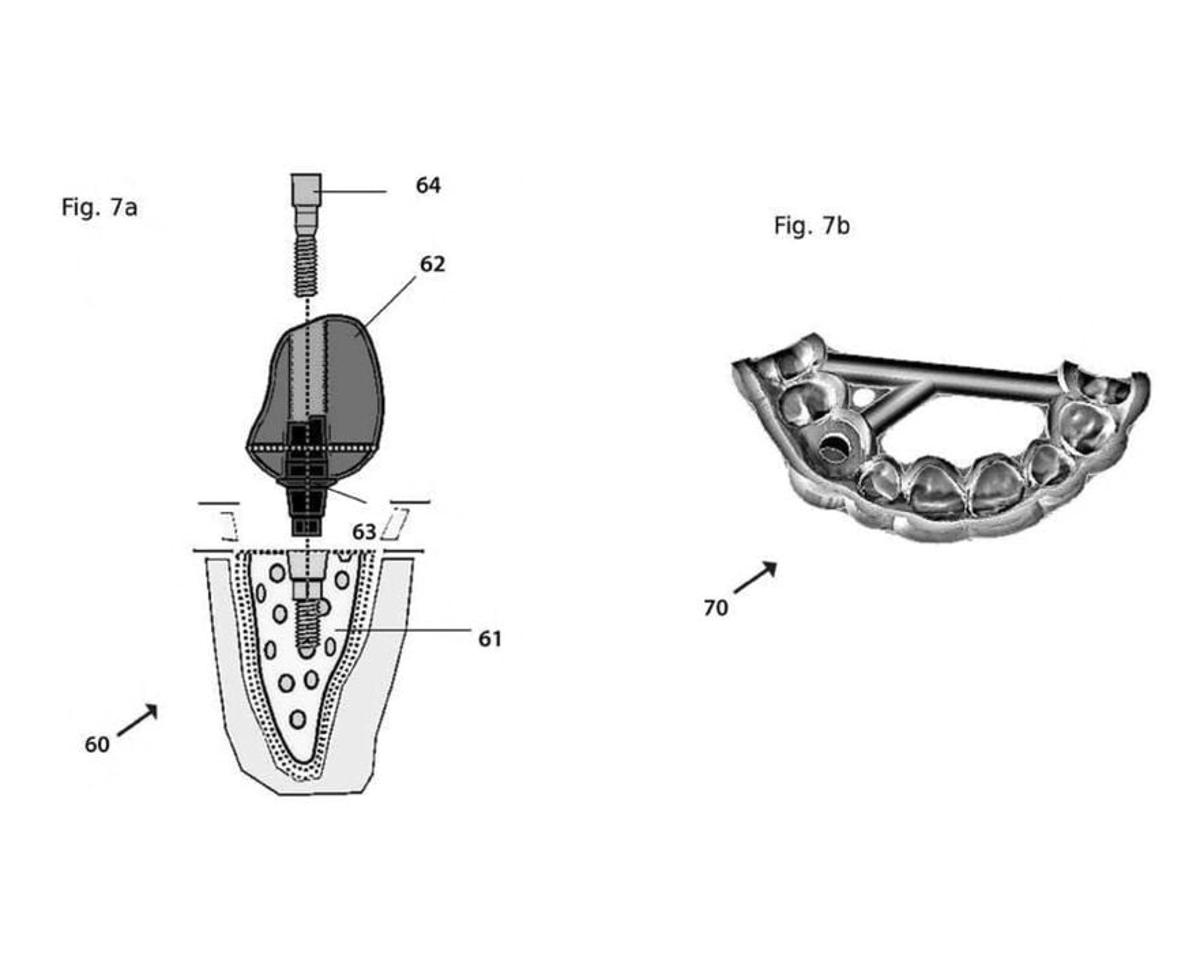
Trinckle’s newly published patents propose exactly that middle ground. Their system delivers a "base data" model with immutable parameters that encode essential geometry, material properties, and safety margins. Users interact only with predefined "open parameters"—such as size adjustments or aesthetic options—while the software automatically generates the final construction data for printing. The dental filing adds a segmentation step, splitting a prosthetic into patient‑specific and core components, whereas the broader filing extends the concept to jigs, orthoses, fixtures, and any multi‑material object, ensuring manufacturability across ceramics, glass, concrete, metals, polymers, and composites.
The implications for the AM ecosystem are significant. Service bureaus can shift routine configuration tasks to a self‑service portal, cutting engineering labor and accelerating order fulfillment. Software‑as‑a‑service providers gain a defensible IP layer that protects engineering expertise while opening new revenue streams through subscription‑based configurators. Moreover, the guardrailed approach mitigates liability by preventing users from creating unsafe designs, a critical advantage in regulated sectors like dental and medical devices. As additive manufacturing matures, such intelligent, constraint‑driven configurators are likely to become a standard component of scalable, on‑demand production models.
Trinckle Patents User Guided 3D Printing Configuration
Comments
Want to join the conversation?