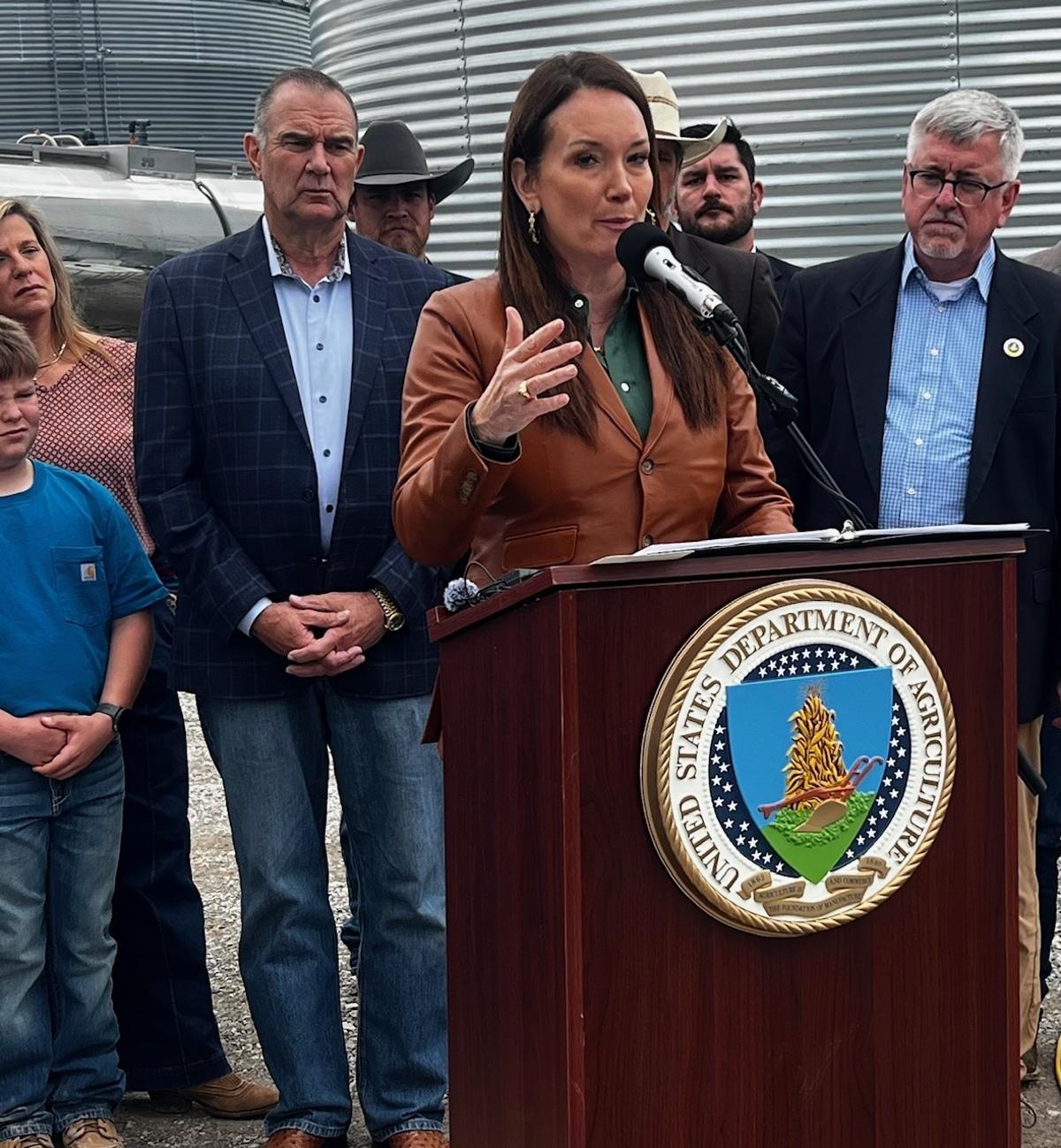
Trump Admin Eyes New Fertilizer Plants, a Fix to Address High Fertilizer Costs
Why It Matters
Accelerating domestic fertilizer capacity could lower input costs for American farmers and reduce geopolitical supply risks, reshaping the ag‑inputs market.
Key Takeaways
- •Administration seeks to cut permitting time from years to months
- •Goal: launch new nitrogen fertilizer plants within three years
- •Potential countervailing duties and Jones Act waiver extension under review
- •Domestic production aims to reduce reliance on Russian and Chinese imports
Pulse Analysis
Rising fertilizer prices have squeezed farm margins across the United States, exposing the sector’s dependence on overseas producers, especially Russia and China. The supply shock, driven by geopolitical tensions and pandemic‑era logistics bottlenecks, has prompted policymakers to reconsider the strategic importance of nitrogen fertilizer. By positioning fertilizer as a national security issue, the administration is aligning agricultural policy with broader economic resilience goals.
The new initiative, outlined by Agriculture Secretary Brooke Rollins, focuses on streamlining the permitting process for nitrogen plant construction, targeting a reduction from multi‑year reviews to a matter of weeks or months. Commerce Secretary Howard Lutnick is tasked with earmarking federal funds to accelerate these projects, while the administration also weighs short‑term levers such as countervailing duties on foreign fertilizer and an extension of the Jones Act waiver that eases maritime transport constraints. These measures aim to quickly increase supply, stabilize prices, and give domestic producers a competitive foothold.
If successful, the policy could deliver tangible cost relief to growers, improve the United States’ trade balance in ag‑inputs, and stimulate job creation in chemical manufacturing hubs. However, challenges remain, including environmental permitting hurdles, capital intensity of plant construction, and potential retaliation from trade partners. Stakeholders will watch closely as the administration refines funding details, which could set a precedent for future strategic investments in critical agricultural infrastructure.
Trump admin eyes new fertilizer plants, a fix to address high fertilizer costs
Comments
Want to join the conversation?
Loading comments...