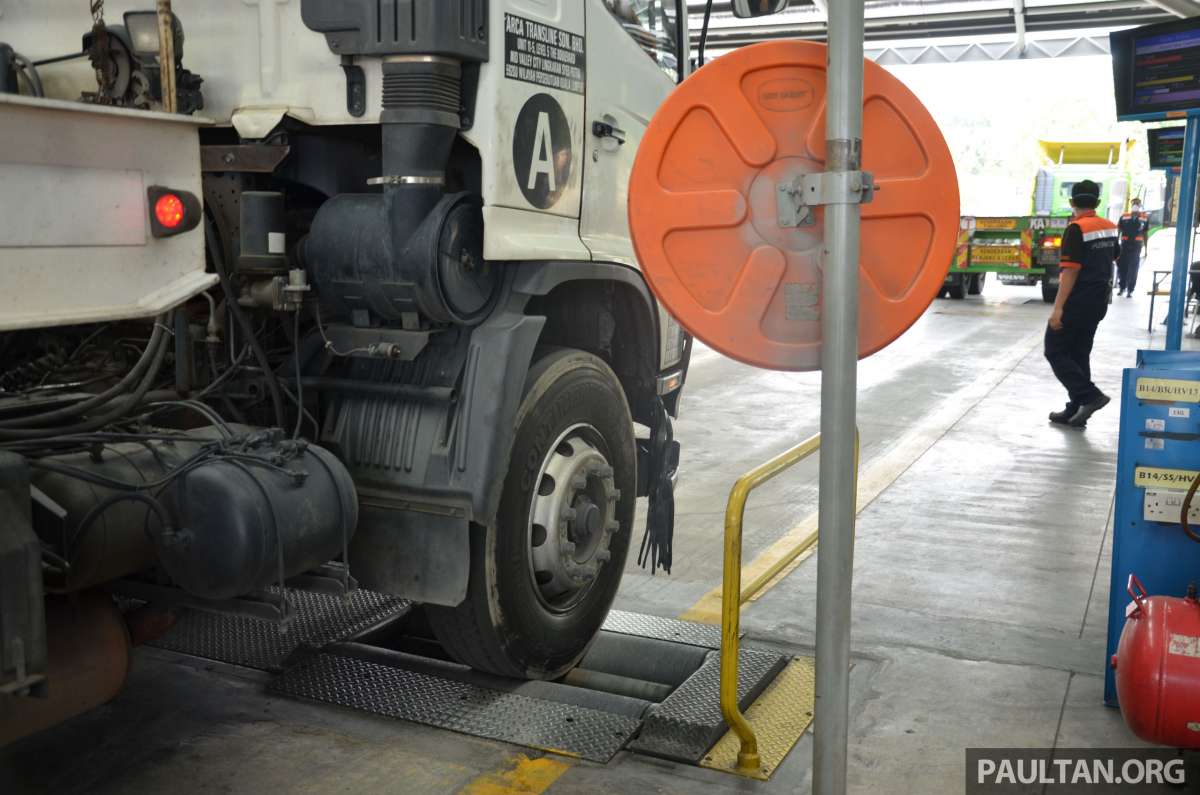
Tyre Price Hike Likely, Crude Oil Directly Impacts Costs: Malaysian Retreaded Tyre Manufacturers Association
Why It Matters
Higher tyre costs will increase operating expenses for logistics and transport firms, potentially raising freight rates and affecting supply‑chain efficiency across Southeast Asia.
Key Takeaways
- •Synthetic rubber and carbon black costs rose over 20% due to oil
- •Retread tyre prices may increase within weeks, hitting commercial fleets
- •Thai and Chinese tyre makers already lifted prices by 4‑5%
- •Limited mitigation options force manufacturers to pass costs to consumers
Pulse Analysis
The tyre sector’s cost structure is tightly coupled to global oil markets because key inputs—synthetic rubber, carbon black, solvents, and packaging plastics—are petroleum derivatives. As crude prices climb, manufacturers in Malaysia face a direct pass‑through effect, with raw material quotations showing more than a 20% jump. This dynamic mirrors trends in neighboring China and Thailand, where producers have already announced 4‑5% price increases, underscoring a regional ripple effect that could tighten margins for original equipment manufacturers and retreaders alike.
For commercial‑vehicle operators, the timing is critical. Retread tyres are a cost‑effective solution for lorries, buses, and logistics fleets, but any price adjustment—expected within the next two to three weeks—will raise per‑kilometre operating costs. Higher tyre expenses cascade through freight pricing, potentially inflating consumer goods costs and eroding competitiveness for exporters reliant on thin margins. Moreover, the logistics sector’s heavy reliance on frequent tyre replacements amplifies the impact, as fleet managers must balance maintenance budgets against tighter cash flows in a volatile market.
Looking ahead, the industry’s limited ability to hedge raw‑material exposure forces a strategic reassessment. Some manufacturers may explore alternative feedstocks, such as bio‑based rubbers, or invest in energy‑efficient curing technologies to blunt future shocks. Policymakers could consider temporary relief measures, like tax incentives for fuel‑efficient fleets, to cushion the cost pass‑through. Ultimately, consumers will feel the pinch through higher vehicle ownership and operating costs, prompting a shift toward longer‑lasting tyre solutions or more stringent maintenance regimes. The convergence of oil price volatility and supply‑chain constraints makes this price signal a bellwether for broader manufacturing cost pressures in the region.
Tyre price hike likely, crude oil directly impacts costs: Malaysian Retreaded Tyre Manufacturers Association
Comments
Want to join the conversation?
Loading comments...