Uniform Producer Keeps Prices Steady as Costs Rise
Why It Matters
Stable pricing shields Thai families from immediate cost shocks, while the government’s discount campaigns help maintain enrollment and retailer traffic amid rising input costs. Future price adjustments could signal broader inflationary pressure in the country’s apparel sector.
Key Takeaways
- •Nomjitt keeps 2026 uniform prices steady despite 5‑10% cost rise
- •Logistics and raw‑material costs up 5‑10% but absorbed this year
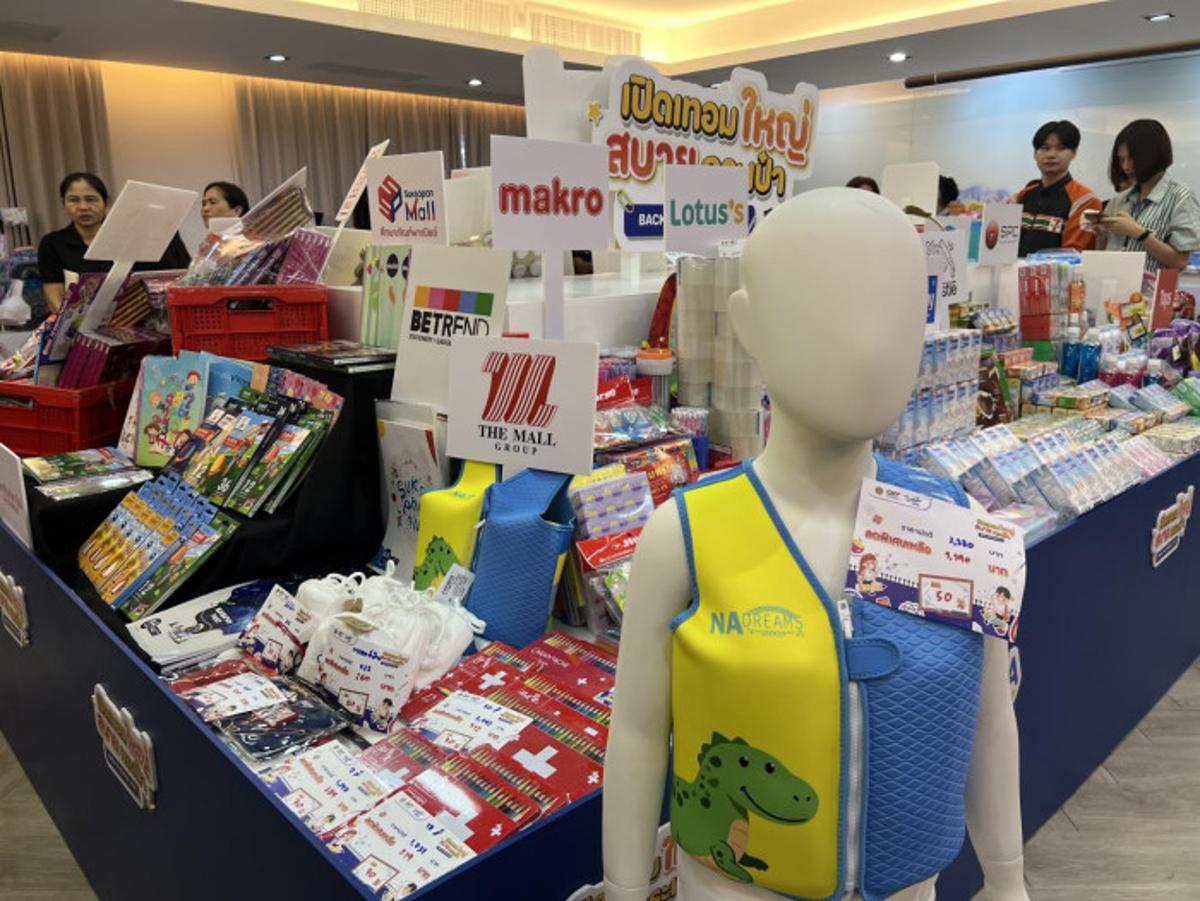
- •Government “Thai Chuay Thai” campaign offers discounts through May 31
- •99 wholesalers, 800 branches join “Local, Low Cost” quarterly promotions
- •Potential price hikes slated for 2027 pending raw‑material outlook
Pulse Analysis
Thailand’s school‑uniform market sits at the intersection of seasonal demand and volatile input costs. Fabric, buttons, yarn and logistics have all climbed between five and ten percent, driven by global supply chain disruptions and higher freight rates after the Middle East conflict. For manufacturers like Nomjitt, the timing is critical: uniforms produced before the price surge can be sold at legacy rates, but newer batches force producers to either absorb costs or pass them on. By keeping 2026 prices unchanged, Nomjitt bets on short‑term consumer loyalty and avoids eroding its market share.
The government’s “Thai Chuay Thai: Back to School 2026” program complements this strategy by subsidising discounts at modern‑trade outlets, Blue Flag shops and online platforms from April 30 to May 31. Coordinating with the Education Ministry, the initiative extends to 1,000 schools, while the Thai Wholesale and Retail Trade Association’s “Local, Low Cost” campaign mobilises roughly 99 wholesalers and 800 retail branches for quarterly promotions. These coordinated efforts lower the effective price for parents, sustain demand, and keep foot traffic flowing through brick‑and‑mortar stores that might otherwise suffer from declining discretionary spending.
Looking ahead, Nomjitt signals that 2027 uniform prices will be reassessed once raw‑material trends stabilise. If cost pressures persist, a modest price hike could ripple through the broader apparel sector, prompting schools to reconsider uniform policies, especially as some experiment with casual‑wear days. Retailers and policymakers will need to monitor both input‑cost inflation and consumer sentiment to balance affordability with profitability, ensuring that education‑related expenses do not become a barrier for Thai families.
Uniform producer keeps prices steady as costs rise
Comments
Want to join the conversation?
Loading comments...