Unions Say Bangladesh Worker Protections Still Fall Short
Why It Matters
Without effective enforcement, the safety and harassment gaps could expose global apparel brands to reputational damage, regulatory penalties, and supply‑chain disruptions, underscoring the need for tangible compliance beyond paperwork.
Key Takeaways
- •Bangladesh ratified ILO Conventions 155, 187, and 190 in 2025.
- •First South Asian country to adopt all three safety‑and‑harassment standards.
- •Unions say on‑site safety and harassment safeguards still fall short.
- •Weak enforcement could trigger brand reputational risk and supply‑chain delays.
Pulse Analysis
Bangladesh supplies roughly 22% of the world’s ready‑made apparel, making its labor standards a linchpin for multinational brands. In 2025 the government ratified three cornerstone International Labour Organization conventions—ILO 155 (occupational safety and health), ILO 187 (safety management systems), and ILO 190 (violence and harassment)—thereby joining a small cohort of nations that have embraced the full safety‑and‑wellbeing framework. The move positioned Bangladesh as the first South Asian country to adopt the complete trio, signaling a political commitment to modernize factory oversight and align with global ESG expectations. Yet ratification alone does not guarantee compliance on the shop floor.
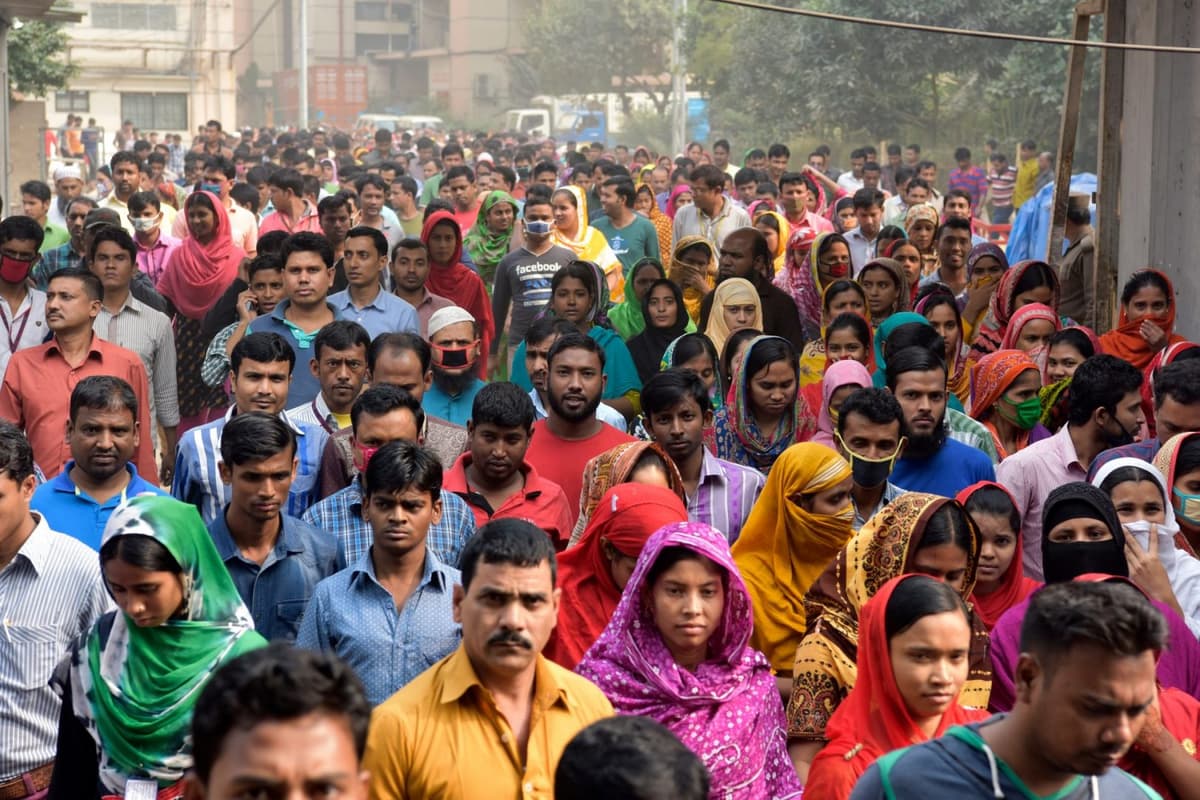
Union representatives, however, contend that the promised reforms have yet to translate into measurable improvements. Workers continue to report inadequate fire‑exits, insufficient personal protective equipment, and unchecked harassment complaints, especially in smaller subcontractors that fall outside the main compliance audits. These deficiencies undermine the ILO conventions’ intent and expose brands to activist campaigns, consumer boycotts, and potential legal liability under emerging due‑diligence regulations in the United States and Europe. The gap between policy and practice also erodes Bangladesh’s competitive advantage, as buyers increasingly prioritize verified safety records over low production costs.
Looking forward, effective enforcement will require coordinated action among the Ministry of Labour, factory owners, and international buyers. Third‑party auditors must expand their scope to include informal factories, while digital monitoring tools can provide real‑time data on workplace incidents. Investors are also sharpening their focus on labor‑related ESG metrics, meaning that persistent non‑compliance could depress capital inflows into Bangladesh’s garment sector. By converting legislative intent into concrete, auditable outcomes, Bangladesh can protect its workforce, sustain its export growth, and reassure global stakeholders of a resilient, responsible supply chain.
Unions say Bangladesh worker protections still fall short
Comments
Want to join the conversation?
Loading comments...