Why It Matters
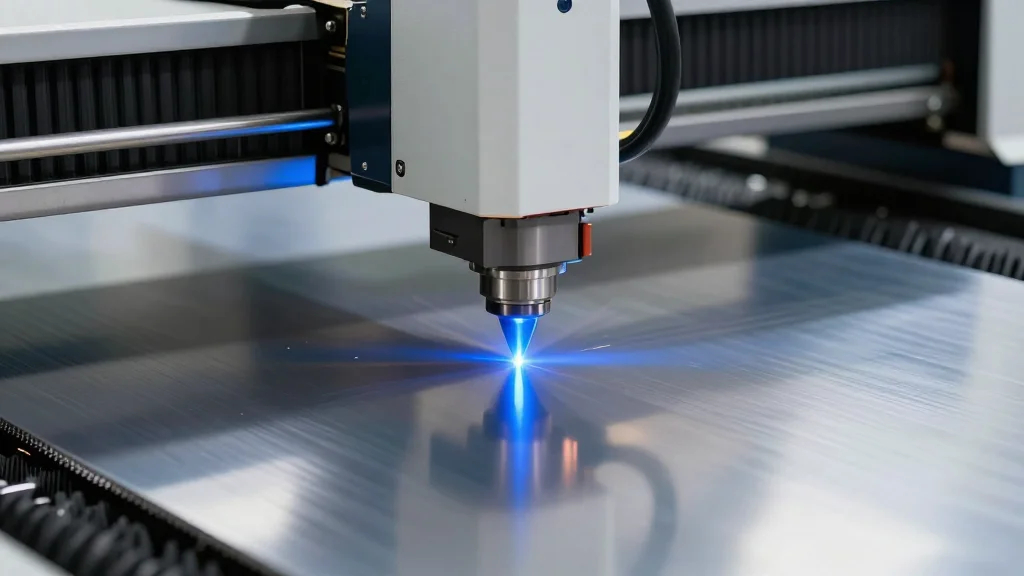
By delivering higher power and reliability, the TruLaser 1030 can boost production throughput and lower total‑ownership costs for metal‑fabrication shops, sharpening their competitive edge in a price‑sensitive market.
Key Takeaways
- •TruLaser 1030 uses advanced fiber laser for higher power
- •Designed for high-speed, precision 2D sheet metal cutting
- •Enhanced durability reduces maintenance downtime
- •Easy integration with automation systems
- •Targets manufacturers needing fast, reliable cutting
Pulse Analysis
The laser‑cutting sector has been rapidly evolving, with fiber lasers overtaking traditional CO₂ sources due to superior energy efficiency and beam quality. Industry analysts note that fiber technology delivers higher cutting speeds, lower operating costs, and better compatibility with automation, making it the preferred choice for manufacturers scaling production volumes. As demand for lightweight, high‑strength components rises across automotive, aerospace, and renewable‑energy markets, firms are seeking cutting solutions that can keep pace with tighter tolerances and faster turnaround times.
The TruLaser 1030 fiber embodies these trends by pairing a high‑power fiber source with a robust mechanical design that tolerates continuous operation. Its upgraded laser diode stack provides sustained output, while the sealed optics and reinforced cooling system extend component lifespan, translating to fewer service interruptions. The machine’s intuitive touchscreen and modular software enable quick changeovers and seamless integration with robotic arms or CNC conveyors, allowing factories to build fully automated cutting lines without extensive re‑engineering. Early field tests report up to 20% faster cut speeds on 2‑mm steel compared with legacy models, while maintaining micron‑level edge accuracy.
For manufacturers, the TruLaser 1030 represents a strategic investment that can lower per‑part costs and improve order‑to‑delivery cycles. By reducing maintenance windows and enabling higher utilization rates, the system supports lean‑manufacturing initiatives and strengthens supply‑chain resilience. Competitors that lag in adopting fiber‑laser platforms may face higher energy bills and slower production, potentially ceding market share to early adopters. Looking ahead, the integration of AI‑driven process monitoring and predictive maintenance could further enhance the machine’s value proposition, positioning it as a cornerstone of next‑generation smart factories.
Untitled
Comments
Want to join the conversation?
Loading comments...