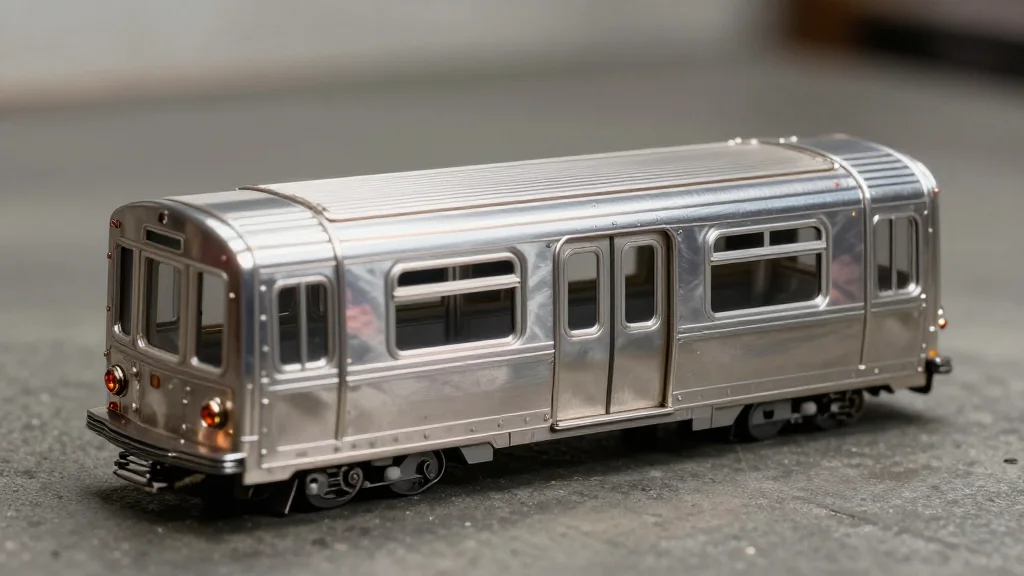
U.S. Customs Releases Seized China‑Built MBTA Subway Cars After Political Push, Saving 150 Jobs

Why It Matters
The seizure and rapid release of the MBTA subway car shells spotlight the fragility of U.S. manufacturing supply chains that depend on foreign, particularly Chinese, components. The forced‑labor law, designed to curb human‑rights abuses, now functions as a de‑facto trade barrier, forcing companies like CRRC to overhaul compliance processes and potentially prompting transit agencies to seek alternative vendors. For the broader manufacturing sector, the incident underscores how geopolitical policy can translate into immediate operational disruptions, labor uncertainty, and cost overruns. Moreover, the political maneuvering that helped free the cars reveals the growing role of congressional and state actors in navigating trade compliance. As states invest heavily in infrastructure, they may need to develop more robust legal and diplomatic strategies to safeguard projects from similar interruptions, reshaping the relationship between public procurement and international trade policy.
Key Takeaways
- •U.S. Customs seized China‑built MBTA subway car shells, threatening 150 Springfield workers with furloughs.
- •Rep. Neil Neal’s outreach to lobbyist Susie Wiles led to clearance within two days.
- •Cars arrived at Long Beach on March 18; expected in Massachusetts by mid‑April for final assembly.
- •Seizure invoked the 2021 forced‑labor prohibition targeting Uyghur‑related abuses in Xinjiang.
- •Experts warn the law creates high evidentiary burdens and may reflect broader political calculations.
Pulse Analysis
The MBTA incident is a microcosm of a larger shift in U.S. manufacturing policy, where human‑rights compliance is becoming a strategic factor in supply‑chain decisions. Historically, American transit projects have leaned on cost‑effective overseas production; now, the forced‑labor statute forces a recalibration of risk versus cost. Companies like CRRC must invest heavily in audit capabilities, potentially eroding the price advantage that once made Chinese rail components attractive.
From a market perspective, the episode could accelerate diversification trends already underway in the rail sector. European and domestic manufacturers may find new opportunities as transit agencies seek to hedge against regulatory volatility. However, the transition will not be seamless—re‑tooling domestic factories and establishing new logistics networks entail significant capital outlays and lead‑time, which could delay infrastructure rollouts.
Politically, the swift intervention by a congressional representative illustrates how local economic stakes can override broader trade tensions, at least in the short term. Yet, as the Biden administration tightens enforcement of the forced‑labor law, we can expect more frequent scrutiny of imported components, especially in high‑visibility public projects. The key question for manufacturers will be whether they can demonstrate transparent, verifiable supply chains quickly enough to satisfy both regulators and political stakeholders, or whether they will be forced out of the U.S. market altogether.
U.S. Customs Releases Seized China‑Built MBTA Subway Cars After Political Push, Saving 150 Jobs
Comments
Want to join the conversation?
Loading comments...