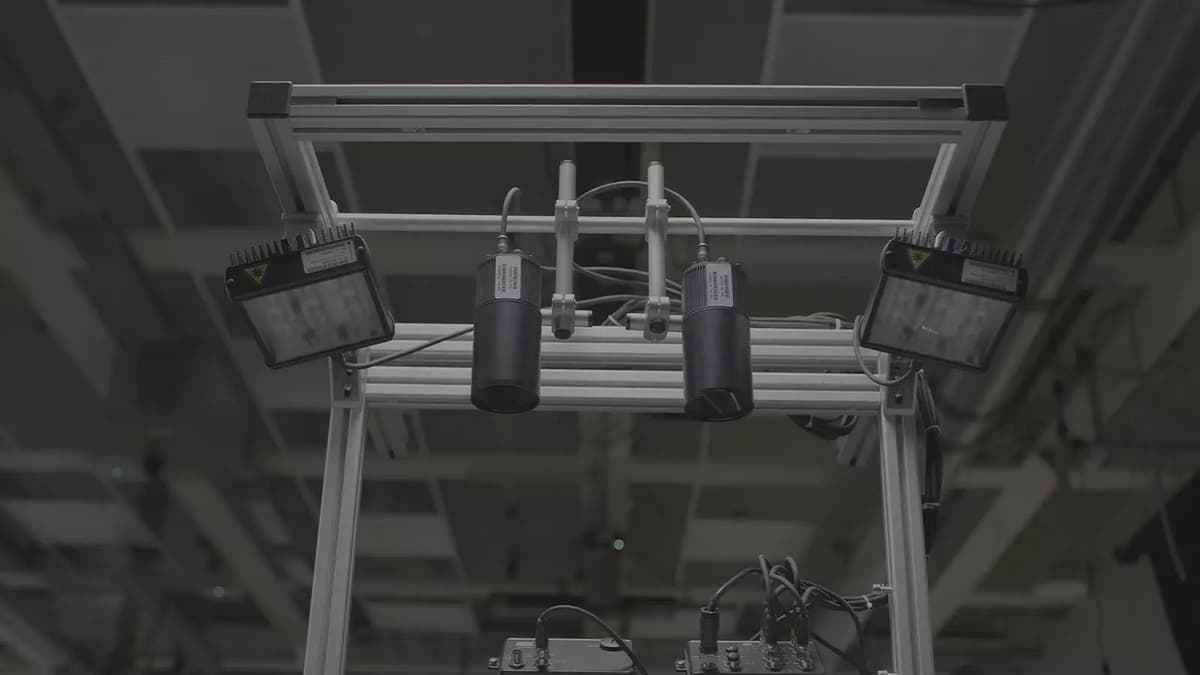
Vision Systems as Part of a Larger Quality Architecture
Why It Matters
The convergence of AI, advanced optics, and system integration transforms inspection from a downstream checkpoint into a proactive, data‑driven control layer, boosting yield, safety, and speed for manufacturers facing tighter margins and regulatory scrutiny.
Key Takeaways
- •AI vision complements, not replaces, traditional machine‑vision systems
- •Multi‑modal imaging solves low‑contrast EV battery inspection challenges
- •Synthetic CAD‑generated data cuts changeover time for new product variants
- •Atlas Copco’s VisionTools acquisition signals move toward integrated inspection ecosystems
- •Closed‑loop inspection links defect detection directly to real‑time process control
Pulse Analysis
The rise of hybrid inspection architectures reflects a pragmatic response to the skill shortage that plagues many manufacturers. By relegating routine, high‑contrast tasks to conventional vision while reserving neural networks for complex pattern recognition, firms can achieve near‑perfect detection rates without a constant need for AI specialists. Platform vendors are therefore focusing on user‑friendly interfaces, automated model training, and seamless integration with existing PLCs, enabling shop‑floor teams to extract value from AI without deep expertise.
Electric‑vehicle battery factories illustrate how these technologies converge in practice. Low‑contrast sealants, transparent adhesives, and reflective housings demand low‑angle illumination, fluorescence, and spectral imaging to become visible. When coupled with robotic arms equipped with global‑shutter sensors, manufacturers can inspect moving parts at line speeds while maintaining sub‑millimeter accuracy. Thermal imaging adds another layer, turning temperature deviations into early warnings for cell health. Meanwhile, synthetic data generated from CAD models shortens the commissioning cycle for new battery designs, allowing rapid adaptation to market‑driven variant proliferation.
Strategically, the sector is moving from point‑solution suppliers to ecosystem partners. Atlas Copco’s purchase of VisionTools merges AI‑enhanced vision expertise with a global hardware and service network, signaling that future competitive advantage will stem from end‑to‑end quality ecosystems rather than isolated hardware. This integration supports the industry’s zero‑defect ambition by embedding inspection data into traceability records, feeding predictive analytics, and enabling real‑time rework loops. Over the next three to five years, manufacturers that adopt these closed‑loop, data‑rich inspection frameworks will likely outpace peers in yield, compliance, and overall operational agility.
Vision Systems as Part of a Larger Quality Architecture
Comments
Want to join the conversation?
Loading comments...