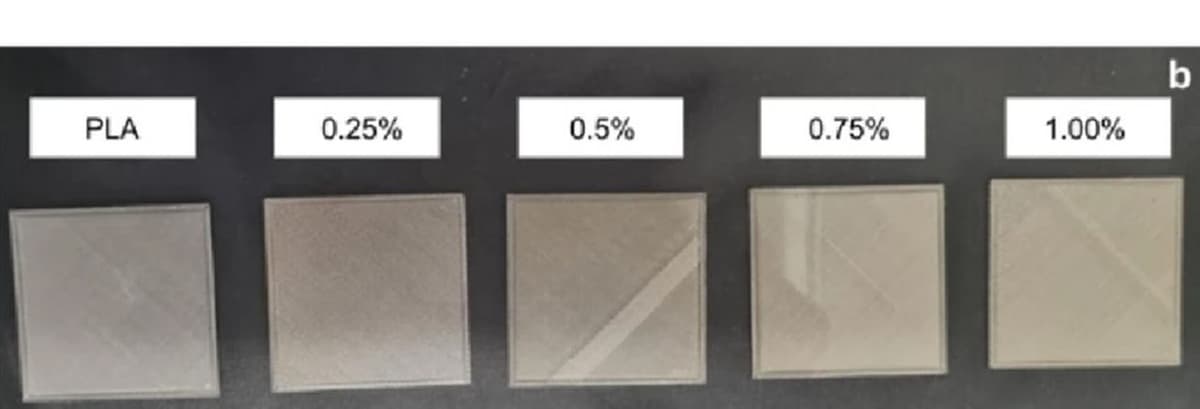
Vitamin E Enhanced PLA Filaments For 3D Printing
Key Takeaways
- •Vitamin E acts as antioxidant and mild plasticizer in PLA.
- •Additive lowers melt viscosity, enabling lower nozzle temperatures.
- •Expected increase in ductility, but reduced stiffness and strength.
- •Retention of vitamin E after extrusion remains uncertain.
- •Low‑cost, biocompatible additive could enable bioactive 3D‑printed parts.
Pulse Analysis
Poly(lactic acid) dominates desktop and industrial FFF markets because of its low extrusion temperature and renewable origin, yet its brittleness and susceptibility to thermal oxidation limit high‑performance uses. Incorporating vitamin E—a well‑known antioxidant in polymer blends—offers a dual function: it scavenges free radicals that accelerate chain scission during melt processing, and its oily molecular structure acts as a mild plasticizer, subtly lowering the glass transition temperature. This chemistry can expand the printable window, allowing nozzle settings toward the lower end of the typical 190‑220 °C range and improving interlayer adhesion without sacrificing flow consistency.
From a mechanical standpoint, the vitamin E‑PLA composite is expected to exhibit higher elongation at break and better impact resistance, traits prized in consumer gadgets, ergonomic jigs, and educational models. However, the trade‑off includes a modest drop in Young’s modulus and ultimate tensile strength, which may disqualify the material for load‑bearing components. A critical unknown is the additive’s thermal stability: vitamin E begins to decompose near 200 °C, so its retention after filament extrusion and subsequent printing cycles determines whether antioxidant benefits persist in the final part. Ongoing thermogravimetric analyses and leachate testing are essential to validate long‑term performance.
Economically, vitamin E is inexpensive and non‑hazardous, suggesting minimal cost impact for filament manufacturers if loading levels stay low (typically under 2 wt%). The biocompatibility angle could attract medical‑device developers seeking a safer, bioactive surface for prototypes, though full regulatory clearance would still require exhaustive biocompatibility and sterilization studies. Should the research confirm stable antioxidant activity and acceptable mechanical trade‑offs, a new class of “tough, bioactive PLA” could emerge, offering designers a greener alternative for wearables, packaging, and low‑stress functional parts.
Vitamin E Enhanced PLA Filaments For 3D Printing
Comments
Want to join the conversation?