Walmart, REI Back Unspun’s Domestic Hubs for Automated Apparel Manufacturing
Companies Mentioned
Why It Matters
The partnership validates a shift toward on‑shore, on‑demand apparel production, offering retailers faster inventory turnover, higher margins, and a response to growing consumer demand for Made‑in‑America goods.
Key Takeaways
- •Walmart and REI endorse Unspun's U.S. manufacturing hubs
- •AI‑enabled 3‑D weaving cuts production time to days
- •On‑demand domestic production could add 400‑500 bps margin
- •Micro‑factories create skilled American jobs near consumers
- •Supply‑chain partners evaluate multiple state sites for rollout
Pulse Analysis
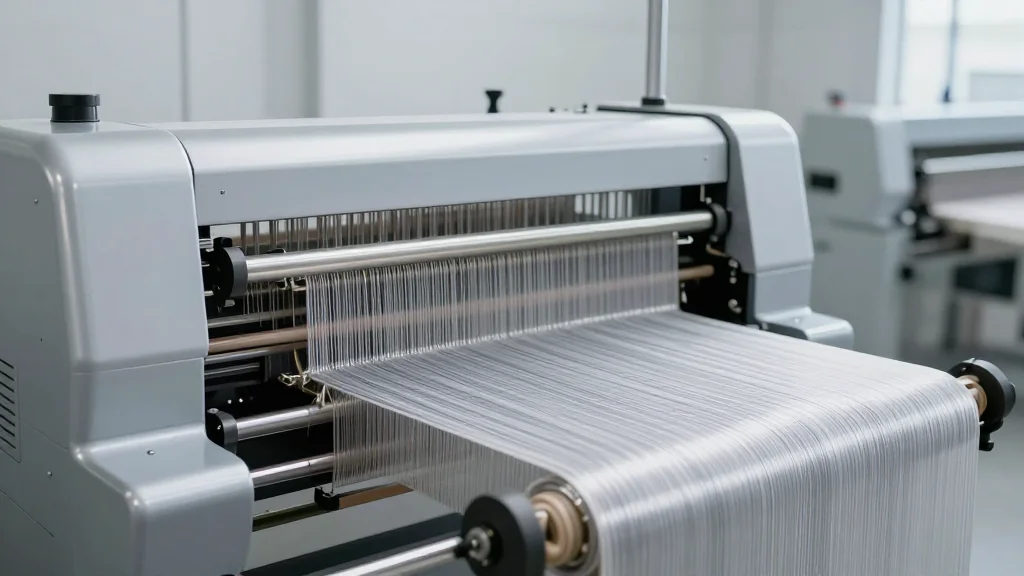
Unspun’s AI‑driven 3‑D weaving platform represents a radical departure from the traditional cut‑and‑sew paradigm that has dominated apparel production for decades. By feeding yarn directly into a highly automated loom, the system creates semi‑finished garments in minutes, eliminating dozens of manual steps and dramatically reducing waste. The technology, first piloted in a Bay Area facility in 2017, aligns with the company’s B‑Corp mission to build a more sustainable, resilient supply chain. Analysts see the approach as a catalyst for a new generation of micro‑factories that can respond to real‑time demand.
The endorsement from retail giants Walmart and REI signals a broader industry shift toward on‑shore sourcing. Both retailers have long touted consumer appetite for American‑made apparel, and Unspun’s model promises to deliver that promise while tightening inventory cycles. By compressing lead times from months to days, brands can reorder within the same season, cutting markdowns and boosting gross margins by an estimated 400‑500 basis points. Moreover, the proximity of production to major distribution hubs reduces freight costs and carbon emissions, reinforcing sustainability narratives that increasingly influence purchasing decisions.
Scaling the concept, however, presents logistical hurdles. Unspun must identify suitable sites with reliable power, fiber‑optic connectivity, and access to a skilled workforce, prompting partnerships with community colleges for rapid training programs. The capital intensity of each weaving unit also raises questions about return on investment for smaller brands. If these challenges are met, the network of regional hubs could reshape the U.S. apparel landscape, offering a viable alternative to offshore factories and potentially prompting other technology startups to pursue similar on‑demand manufacturing models.
Walmart, REI Back Unspun’s Domestic Hubs for Automated Apparel Manufacturing
Comments
Want to join the conversation?
Loading comments...