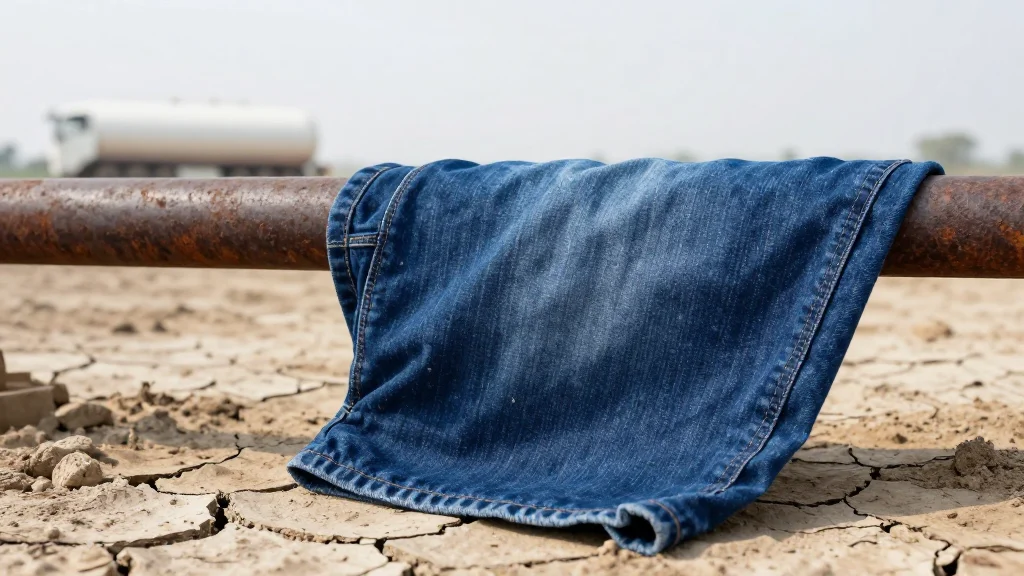
Water Shortage Disrupts Denim Washing Units in Karnataka’s Ballari
Why It Matters
The disruption threatens the livelihood of hundreds of workers and could stall the regional garment supply chain, impacting both local economies and broader apparel markets.
Key Takeaways
- •55 denim units cut output amid water shortage
- •Private tankers raise costs, limiting production capacity
- •Workers face fewer hours and wage uncertainty
- •Local economy risks slowdown if disruption persists
Pulse Analysis
Water scarcity has become a recurring challenge in Karnataka, and the Ballari district’s denim washing cluster illustrates how acute shortages can cripple water‑intensive industries. Denim processing relies on large volumes of water for washing, dyeing, and finishing; when municipal supplies falter, factories turn to private tankers, a stop‑gap that inflates operating costs and forces many units to run at reduced capacity or shut down temporarily. This immediate bottleneck not only stalls production but also creates a ripple effect across the supply chain, delaying orders for brands that depend on timely deliveries from Indian manufacturers.
The economic fallout extends beyond the factories’ walls. Hundreds of workers, many of whom are employed on a daily‑wage basis, face reduced hours and uncertain pay, eroding household incomes in a region already grappling with limited employment alternatives. Ancillary businesses—such as fabric suppliers, logistics providers, and local retailers—also feel the pinch as production slowdowns shrink demand for their services. For garment exporters, delayed shipments can jeopardize contracts with overseas buyers, potentially prompting them to seek more reliable sourcing alternatives, which would further diminish Ballari’s competitive edge in the global denim market.
Addressing the water crisis requires coordinated action between industry stakeholders and government authorities. Short‑term measures like dedicated tanker allocations can alleviate immediate pressure, but sustainable solutions lie in upgrading water infrastructure, promoting recycling and rainwater harvesting within industrial parks, and incentivizing water‑saving technologies. Policymakers must prioritize water security for high‑consumption sectors to safeguard jobs and maintain the region’s contribution to India’s apparel exports. By investing in resilient water management, Ballari can transform this vulnerability into a catalyst for more efficient, future‑proof denim processing.
Water Shortage Disrupts Denim Washing Units in Karnataka’s Ballari
Comments
Want to join the conversation?
Loading comments...