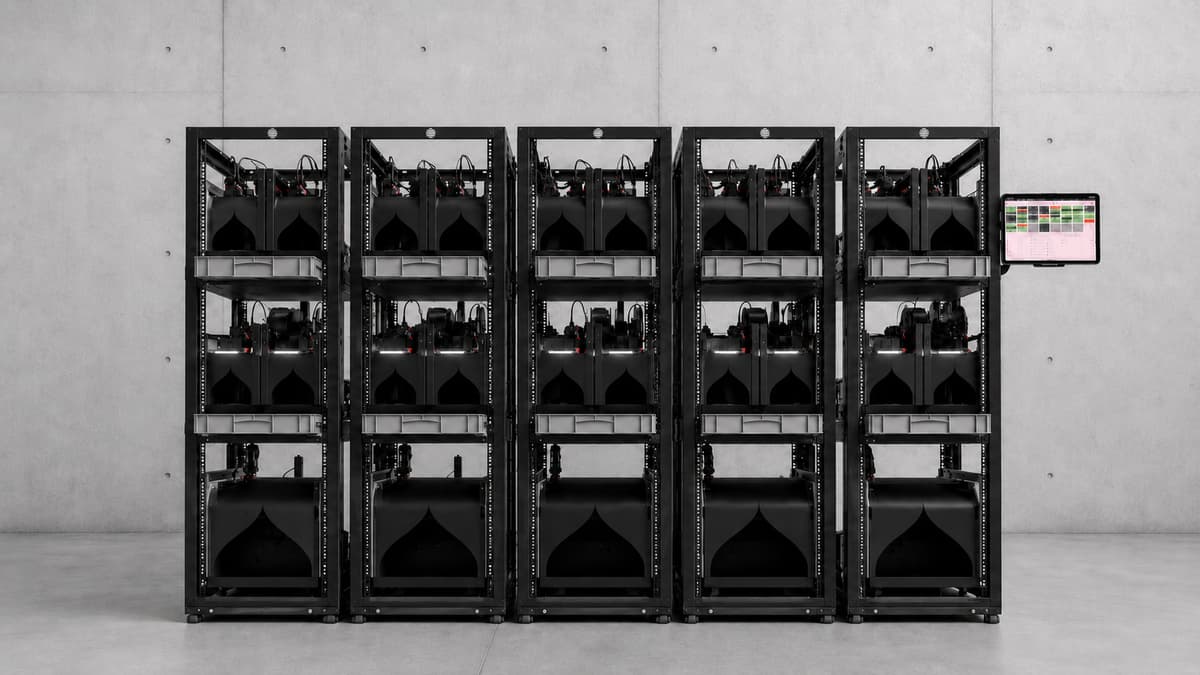
Why It Matters
The venture proves that compact, technology‑rich factories can quickly respond to crises and drive greener product cycles, reshaping manufacturing geography and supply‑chain resilience.
Key Takeaways
- •Batch.Works pivoted to produce 10,000+ PPE items for NHS in 2020
- •Micro‑factory blends product design with in‑house additive manufacturing
- •Location in Hackney challenges traditional manufacturing geography
- •CEO emphasizes customer‑driven solutions over pure 3D‑printing
- •Remote Teams meeting sparked shift to flexible, digital workflow
Pulse Analysis
Additive manufacturing is moving beyond prototyping labs into fully operational micro‑factories that sit in urban neighborhoods. By embedding 3D printing, CNC machining and finishing under one roof, firms like Batch.Works can iterate designs in hours rather than weeks, cutting material waste and shipping distances. This localized approach aligns with growing consumer demand for sustainable products and offers a buffer against global supply‑chain shocks, a lesson learned during the COVID‑19 surge when the Hackney site turned out PPE for the NHS.
The Batch.Works story illustrates how a small, agile facility can become a strategic asset for public‑health emergencies and everyday innovation alike. When the UK rail network faltered, the team migrated a critical client discussion to Microsoft Teams, proving that digital collaboration can keep production pipelines moving even when physical access is limited. The company’s philosophy—using additive technology as a tool rather than a destination—allows it to tailor solutions to each client’s needs, whether that’s a low‑volume medical device or a biodegradable consumer good.
Industry observers see micro‑factories as a bridge between mass production and bespoke craftsmanship, offering the speed of digital design with the quality controls of traditional manufacturing. As cities like London encourage mixed‑use development, more entrepreneurs are likely to follow Batch.Works’ model, embedding production close to end‑users and reducing carbon footprints. The convergence of remote work tools, advanced AM equipment, and sustainability goals suggests that the next wave of manufacturing will be decentralized, resilient, and highly responsive to market demands.
Welcome to the future of manufacturing
Comments
Want to join the conversation?
Loading comments...