What AI Can Accomplish on the Food Plant Floor (And Where It Still Falls Short)
Companies Mentioned

Why It Matters
Accurate AI can slash defect‑related waste and maintenance expenses, but without integrated data and clear response processes, the technology delivers little financial value, stalling digital transformation in food production.
Key Takeaways
- •AI vision reaches 99.86% accuracy versus 80% human inspection.
- •Predictive maintenance can cut costs 18‑25% when alerts are calibrated.
- •Legacy data silos and sensor gaps stall most AI pilots.
- •Human oversight required for novel defects and regulatory decisions.
- •Start AI projects with one high‑cost use case and solid data pipeline.
Pulse Analysis
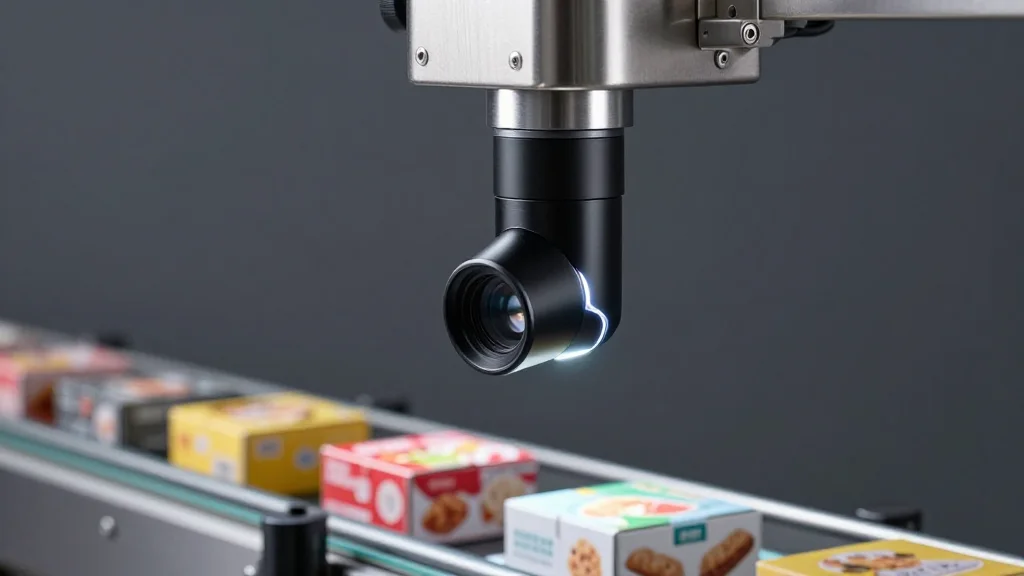
The food‑processing floor is finally seeing AI move from laboratory proof‑of‑concepts to real‑time production lines. Deep‑learning vision models can scan every product at line speed, flagging defects with near‑perfect precision. This leap in detection accuracy translates into lower recall risk, reduced warranty claims, and labor savings, especially for high‑volume items like packaged snacks or fresh produce where manual inspection struggles to keep pace.
Yet the technology’s promise is routinely undermined by infrastructure gaps. Legacy machines that lack digital sensors feed incomplete data to AI models, while entrenched data silos prevent a unified view of quality, maintenance, and inventory. Predictive maintenance initiatives illustrate this tension: firms that fine‑tuned alert thresholds and integrated them into work orders saw 18‑25% cost cuts, but those plagued by false‑positive noise erased any gains. Similarly, demand‑driven scheduling can curb over‑production, but only when clean, cross‑functional data streams exist. The missing piece is often a redesign of human workflows to act on AI signals, not the algorithms themselves.
For companies ready to invest, a disciplined rollout is essential. Begin with the most painful, quantifiable problem—whether it’s a high defect escape rate, frequent equipment downtime, or chronic over‑production waste. Establish a baseline, install the necessary sensors, and build a data pipeline before scaling. Assign clear ownership for response actions and validate model performance against real‑world outcomes. By pairing modest, high‑impact AI use cases with robust data and process integration, food manufacturers can capture tangible ROI while laying the groundwork for broader digital transformation.
What AI Can Accomplish on the Food Plant Floor (And Where It Still Falls Short)
Comments
Want to join the conversation?
Loading comments...