Why It Matters
The pilot demonstrates a scalable route to recycle blended fabrics, unlocking circular value and reducing waste in a sector where less than 1 percent of garments are currently reclaimed.
Key Takeaways
- •Pilot “Accelerator” plant tests polycotton chemical recycling at scale
- •Process separates polyester and cellulose, recovers >95% solvents
- •First module produces circular polyester for downstream partners
- •Second module targets next‑gen cellulosic fibers
- •Global textile recycling under 1%, highlighting huge market need
Pulse Analysis
The fashion sector now produces over 120 million metric tons of textiles each year, yet less than one percent of those fibers return to the supply chain. Blended fabrics such as polycotton pose a particular challenge because traditional mechanical recycling cannot efficiently separate the synthetic and natural components. This bottleneck fuels landfill growth and increases reliance on virgin polyester and cotton, driving both environmental degradation and volatile commodity costs.
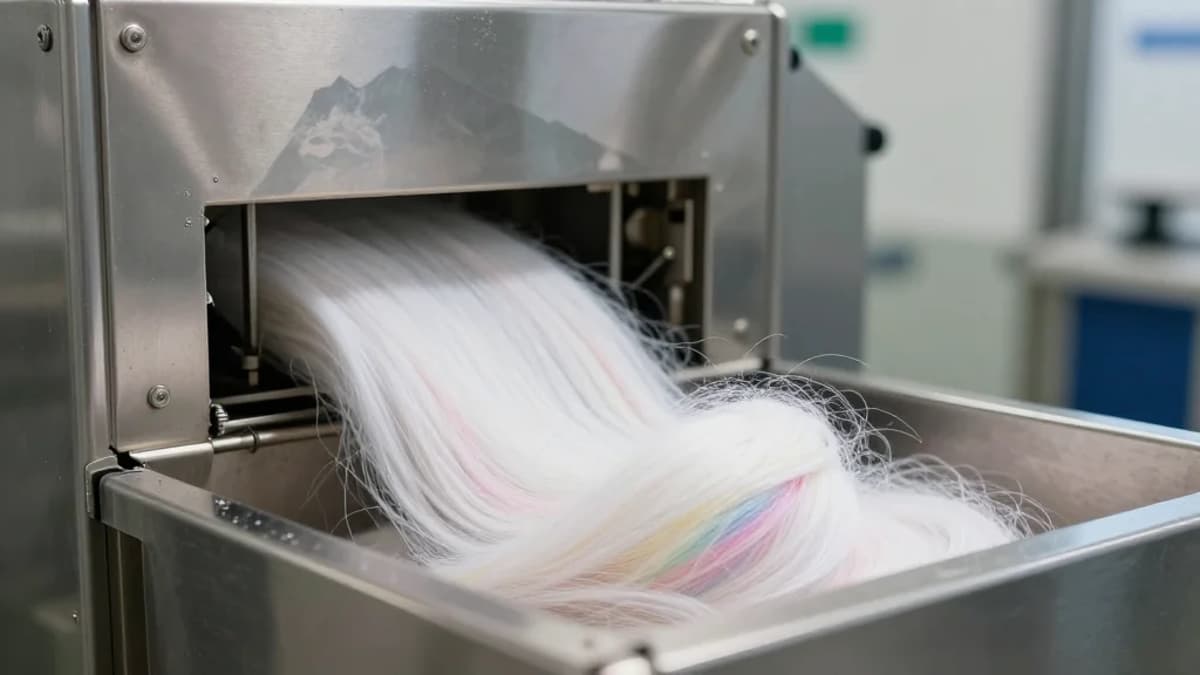
Worn Again Technologies addresses the blend problem with a multi‑solvent chemical process that isolates polyester and cellulose at molecular level. By recovering more than 95 percent of the solvents used, the system minimizes chemical waste and lowers operating expenses, making the technology more attractive to investors. The newly commissioned Accelerator plant in Winterthur operates in phased modules: the initial unit delivers spinnable “circular polyester” to pilot partners, while a second, engineering‑stage module will generate next‑generation cellulosic fibers. Early trials have already produced spun yarns from reclaimed polycotton, providing tangible proof of concept beyond laboratory scale.
If the pilot validates both performance and cost metrics, the implications for the broader textile ecosystem are profound. Brands seeking to meet aggressive sustainability pledges could source recycled fibers without compromising quality, reducing dependence on virgin resources and cutting carbon footprints. Moreover, the modular design allows rapid scaling across regions, potentially catalyzing a new market for chemical‑recycling services. As investors and regulators increasingly prioritize circularity, Worn Again’s approach may set a benchmark for future textile‑to‑fiber initiatives, accelerating the transition toward a truly circular fashion economy.
Worn Again Scales Polycotton Recycling Tech
0
Comments
Want to join the conversation?
Loading comments...