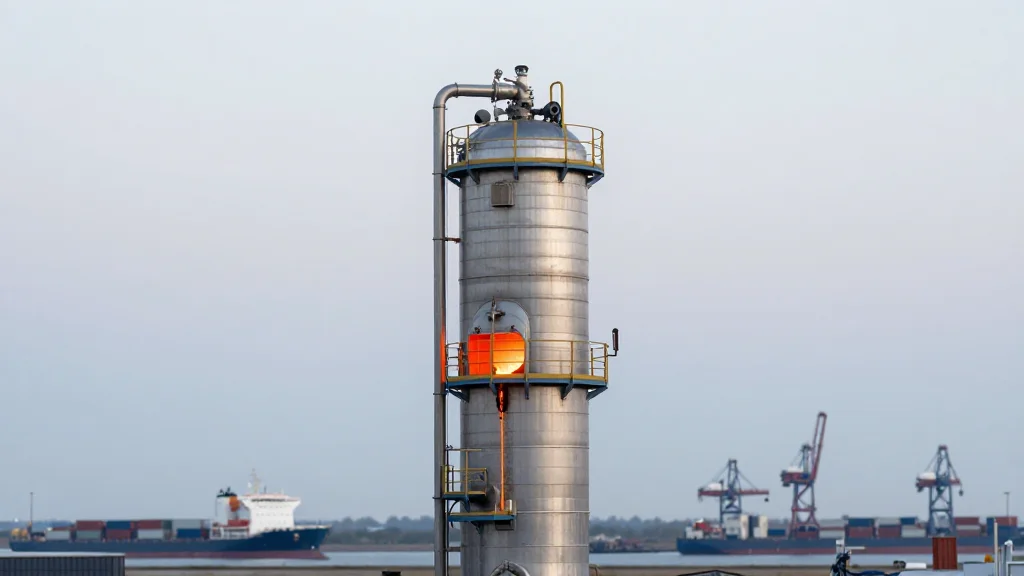
WPU Plans Chemical Recycling Facility in Europe
Why It Matters
The project expands Europe’s chemical recycling footprint, providing a low‑carbon feedstock for the petrochemical sector and helping meet stricter waste‑reduction targets. Its integration with Vitol’s refinery showcases a scalable model for circular‑economy investments.
Key Takeaways
- •WPU to process 80,000 tons/year at Rotterdam, total 100,000 tons
- •Facility will use batch pyrolysis to turn plastic into low‑carbon oil
- •Adjacent to Vitol refinery, leveraging emissions‑reduction furnace technology
- •Projected cuts: 50% NOx, 80% SO₂, 40% energy consumption
Pulse Analysis
Europe is accelerating its shift toward chemical recycling as governments tighten plastic‑waste regulations and investors demand greener supply chains. WPU’s Rotterdam plant, backed by energy trader Vitil, adds 80,000 metric tons of capacity to a continent that currently lags behind Asia in advanced recycling. By situating the facility next to an existing refinery, the project taps into existing logistics, skilled labor, and shared utilities, reducing capital outlay while positioning the output—pyrolysis oil—directly into existing petrochemical streams.
The core of WPU’s technology is batch pyrolysis, a process that thermally cracks mixed plastics into a hydrocarbon‑rich oil. Unlike traditional mechanical recycling, which struggles with contamination and polymer diversity, pyrolysis can handle heterogeneous feedstocks, turning them into a versatile intermediate that can be refined into circular chemicals or new polymers. This feedstock offers a lower carbon intensity than virgin naphtha, helping manufacturers meet sustainability pledges without overhauling existing production lines. Moreover, the plant’s furnace upgrades—already proven at Vitol’s Rotterdam refinery—cut NOx emissions by half, slash SO₂ by 80 % and trim energy use by 40 %, aligning the operation with EU industrial emission targets.
Strategically, the Rotterdam location gives WPU access to one of the world’s busiest ports and a dense network of downstream chemical manufacturers. The partnership with Vitol signals confidence from a major energy player in the commercial viability of chemical recycling, potentially unlocking further financing for similar projects across Europe. As the sector scales, the ability to produce low‑carbon feedstock locally could reduce reliance on imported fossil naphtha, improve supply chain resilience, and create a new revenue stream from waste—key factors that may reshape the European plastics market in the coming decade.
WPU plans chemical recycling facility in Europe
Comments
Want to join the conversation?
Loading comments...