XELA Robotics Upgrades uSkin Sensors with Metal Handling, High-Speed Communication
Why It Matters
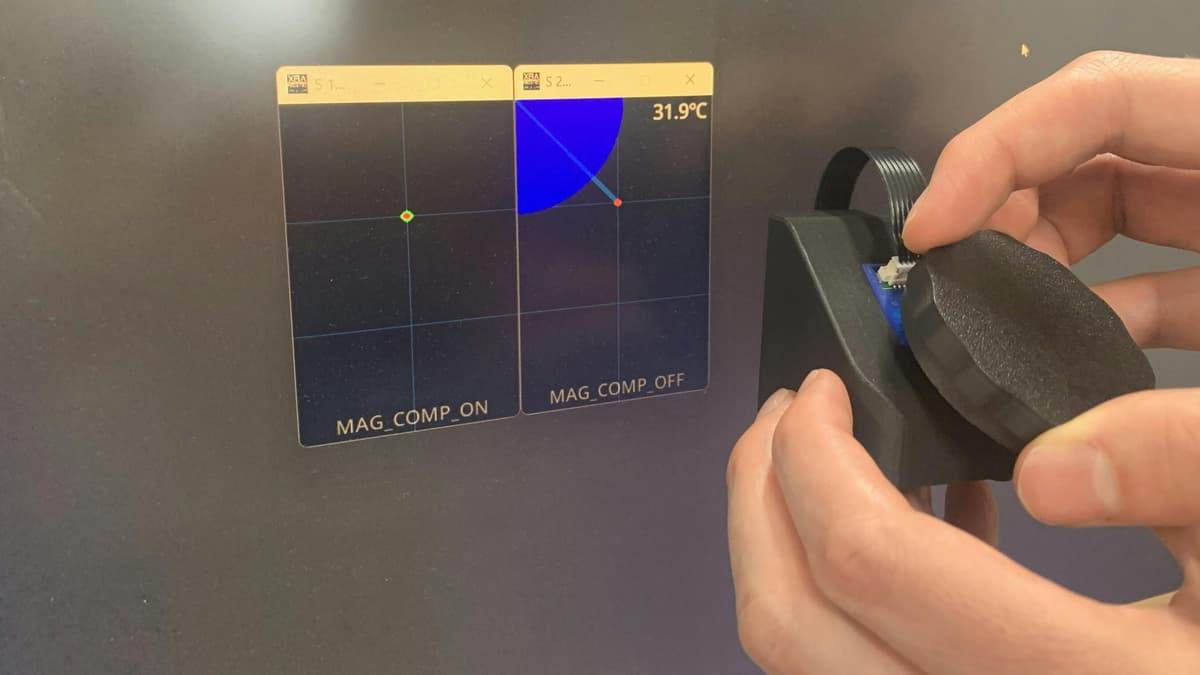
The upgrades let robots reliably grasp metal components and scale tactile sensing without bandwidth bottlenecks, opening new automation use cases and cutting integration costs for manufacturers.
Key Takeaways
- •Magnetic compensation lets uSkin sense iron and ferrous parts reliably
- •CAN FD support boosts data throughput to 8 Mbps, 500 Hz measurements
- •New features reduce engineering effort for multi‑sensor robotic hands
- •Availability starts May 2026; magnetic upgrade ships Q3 2026
Pulse Analysis
Tactile sensing has become a differentiator in modern robotics, offering a level of dexterity that pure force or vision systems cannot achieve. As manufacturers push for higher throughput and tighter tolerances, the ability to feel an object’s shape, texture, and subtle movements enables more adaptive handling of diverse parts. XELA Robotics, a pioneer since 2018, leverages a soft elastomer and distributed 3‑D displacement chips to give robots a human‑like sense of touch, positioning its uSkin line as a key enabler for next‑generation automation.
The latest uSkin upgrades address two practical hurdles that have limited broader adoption. First, magnetic interference compensation now neutralizes the disruptive fields of strong, nearby magnets, a common presence in metal‑fabrication and assembly lines. This breakthrough expands the sensor’s applicability to iron, steel, and magnetic fasteners that previously caused erroneous readings. Second, the integration of CAN FD (Controller Area Network Flexible Data‑Rate) lifts the communication ceiling to 8 Mbps and expands payloads to 64 bytes, supporting dense sensor arrays while maintaining a 500 Hz update rate. Engineers can now attach multiple sensors to a single gripper or hand without fearing data loss or latency, simplifying system architecture.
For the industrial robotics market, these enhancements translate into faster deployment cycles and lower total‑ownership costs. Companies can retrofit existing robotic arms with tactile capability rather than redesigning end‑effectors, accelerating time‑to‑value. Moreover, the ability to handle metal parts reliably opens high‑value sectors such as automotive stamping, electronics assembly, and aerospace component handling. As competitors race to add similar features, XELA’s early move positions it as a preferred supplier for OEMs seeking scalable, high‑performance tactile solutions, potentially reshaping the competitive landscape in advanced manufacturing.
XELA Robotics Upgrades uSkin Sensors with Metal Handling, High-Speed Communication
Comments
Want to join the conversation?
Loading comments...