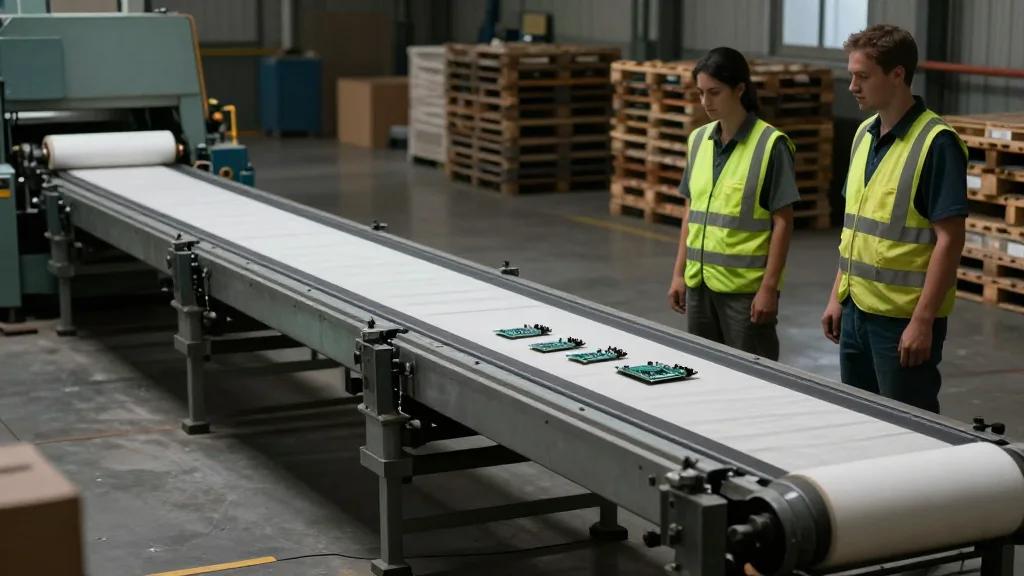
Zhejiang's Private Manufacturers See Export Orders Plummet as Profits Slip Below 3%

Why It Matters
Zhejiang accounts for a sizable share of China’s export‑oriented manufacturing, especially in textiles, electronics, and machinery. A collapse in private‑sector profitability threatens supply‑chain stability for global brands that source components from the region. Moreover, the alleged misreporting of export data undermines confidence in China’s economic statistics, complicating foreign investment decisions and policy formulation. If private manufacturers continue to shrink, the province could see a rise in unemployment, reduced local tax revenues, and a shift toward state‑owned or foreign‑controlled entities. This structural shift would alter the competitive dynamics of the global manufacturing ecosystem, potentially prompting multinational firms to diversify away from China’s eastern coast.
Key Takeaways
- •Private manufacturers in Zhejiang report profit margins below 3%
- •Factory workforce reductions of up to 64% reported in a Scandinavian equipment firm
- •Official customs data shows 7.1% YoY trade growth to 1.38 trillion yuan ($193 bn) in Q1 2026
- •Insiders allege export figures are inflated by double‑reporting and false tax returns
- •Local unemployment rises as both private and foreign‑funded firms cut staff
Pulse Analysis
Zhejiang’s downturn illustrates the fragility of China’s export‑driven private sector amid a confluence of external and internal pressures. The province’s reliance on family‑run exporters made it especially vulnerable when global demand softened after the pandemic and as supply chains re‑shored to Southeast Asia. The profit squeeze to sub‑3% levels suggests that many firms are operating at the brink of insolvency, a scenario that could trigger a wave of bankruptcies unless credit conditions ease.
The credibility gap between official customs data and insider testimony is a red flag for investors. Overstated export growth can mask underlying demand deficits, leading policymakers to delay stimulus or structural reforms. In the short term, we may see Beijing tighten oversight of trade reporting, which could further burden private firms already grappling with audits and fines.
Strategically, multinational buyers should reassess their sourcing risk in Zhejiang. Diversifying to other Chinese provinces with stronger state support, or to neighboring low‑cost hubs, could mitigate supply disruptions. Meanwhile, the province’s remaining foreign‑funded enterprises—particularly Japanese firms that continue hiring—may become the new anchors of the local economy, reshaping the competitive landscape toward higher‑value, technology‑intensive production.
Overall, Zhejiang’s experience serves as a microcosm of the broader challenges confronting China’s manufacturing sector: waning export demand, regulatory headwinds, and data reliability issues. How quickly the government addresses these pain points will determine whether the region can rebound or become a cautionary tale of de‑industrialization in a traditionally robust hub.
Zhejiang's Private Manufacturers See Export Orders Plummet as Profits Slip Below 3%
Comments
Want to join the conversation?
Loading comments...