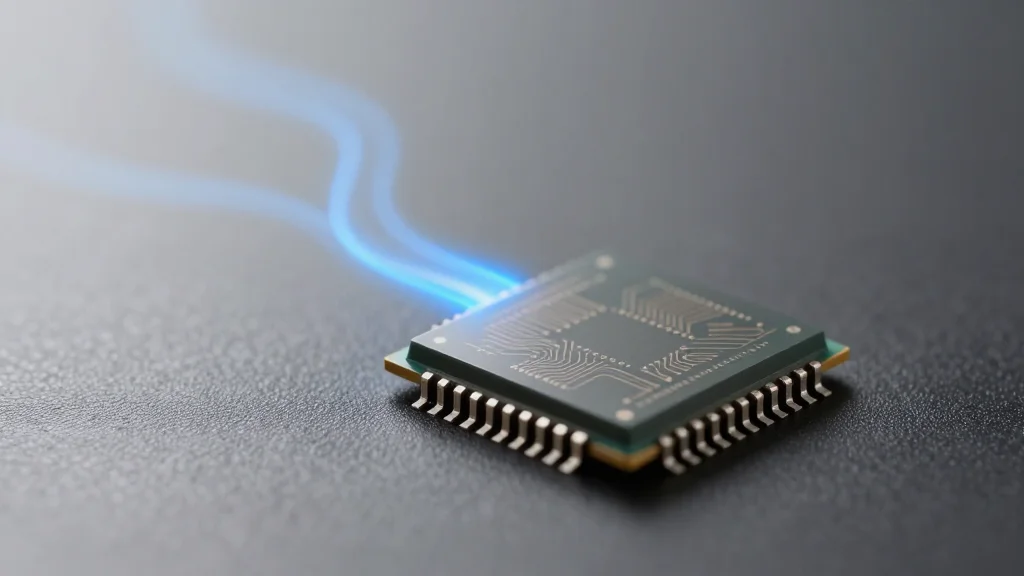
Here’s the Next AI ‘Battleground’ — and How Investors Can Get in on the Action
Why It Matters
The latency crunch directly limits AI performance, creating a lucrative growth niche for connectivity hardware. Capitalizing now positions investors ahead of a supply‑driven price rally that could reshape the data‑center ecosystem.
Key Takeaways
- •AI models now need sub‑millisecond data transfer across data centers
- •Fiber and optoelectronics stocks surged 35% YTD 2026
- •Supply shortage drives price premiums for high‑speed transceivers
- •Coherent silicon photonics emerges as long‑term winner
- •Investors can access exposure via specialized ETFs and venture funds
Pulse Analysis
The rise of generative AI has shifted the performance bottleneck from compute power to data movement. Modern transformer models process petabytes of information, and even a few milliseconds of latency can erode real‑time inference value. To meet these demands, data‑center operators are upgrading to dense fiber bundles and next‑generation optoelectronic modules that push terabits per second across short distances. This infrastructure upgrade cycle mirrors the earlier semiconductor boom, but with a tighter timeline driven by cloud providers’ need for instant model updates.
From an investment perspective, the connectivity surge is creating a fragmented yet high‑growth landscape. Established players like Corning, Lumentum, and II‑VI have already enjoyed double‑digit stock gains, while newer entrants focusing on silicon photonics—such as Aurrion and Ayar Labs—promise lower‑cost, scalable solutions for intra‑rack links. Coherent optical technologies, traditionally reserved for long‑haul telecom, are being repurposed for data‑center interconnects, adding another competitive layer. Supply constraints on key components, including indium phosphide lasers and high‑precision waveguides, are inflating margins and prompting strategic partnerships and M&A activity.
Looking ahead, investors can capture upside through several avenues. Direct equity exposure to pure‑play hardware firms offers the highest upside but carries concentration risk. Thematic exchange‑traded funds, like the Global X AI & Connectivity ETF, provide diversified exposure across fiber, photonics, and related software. Venture‑backed startups developing integrated photonic chips present early‑stage opportunities, albeit with higher volatility. Monitoring regulatory trends—particularly around spectrum allocation and export controls—will be crucial, as policy shifts can quickly alter the competitive dynamics in this fast‑evolving sector.
Here’s the next AI ‘battleground’ — and how investors can get in on the action
Comments
Want to join the conversation?
Loading comments...