Afghans Comb Riverbed in Search of Gold Dust (Radio France International – April 16, 2026)
Key Takeaways
- •Unemployment drives Afghans to informal gold prospecting
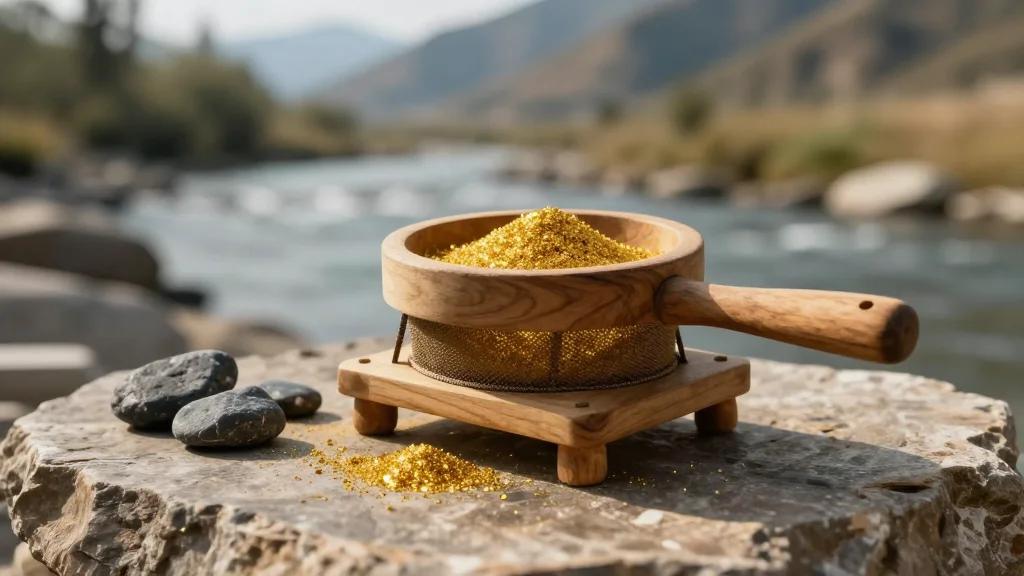
- •Prospectors sift riverbeds using simple water‑powered sieves
- •Gold particles found are often smaller than wheat grains
- •Mining occurs near Kunar’s Pakistan border in remote villages
- •Lack of regulation leaves miners vulnerable to safety hazards
Pulse Analysis
Afghanistan’s chronic unemployment and stagnant wages have pushed many rural families toward informal gold extraction, a practice that has resurfaced across the Kunar province’s river valleys. With formal construction projects scarce, men like 45‑year‑old Delawar abandon steady jobs to pan for dust‑size nuggets using hand‑crafted sieves and river water. The activity clusters around villages such as Kharwalu and Ghaziabad, where the terrain offers dry riverbeds and steep slopes ideal for manual sifting. This low‑tech mining provides a modest, albeit unpredictable, cash flow for households that otherwise lack alternatives.
The makeshift nature of the operation brings significant safety and environmental risks. Miners work without protective gear, handling heavy picks on precarious slopes, and the constant disturbance of riverbeds accelerates erosion and contaminates downstream water sources. Because the sector operates outside any formal regulatory framework, incidents of landslides, injuries, and illegal trade go unrecorded. Moreover, the gold recovered is typically minute—often smaller than a grain of wheat—limiting its market value and exposing participants to exploitation by middlemen who purchase at below‑market rates.
Addressing this informal boom requires coordinated policy and development initiatives. Afghan authorities could introduce community‑based licensing that formalizes small‑scale mining, providing training on safer techniques and environmental safeguards while generating modest tax revenue. International donors and NGOs might fund micro‑finance schemes to diversify rural livelihoods, reducing reliance on precarious gold panning. If managed responsibly, the sector could evolve from a survival strategy into a regulated source of income, contributing to broader economic stabilization in a country still recovering from decades of conflict.
Afghans comb riverbed in search of gold dust (Radio France International – April 16, 2026)
Comments
Want to join the conversation?