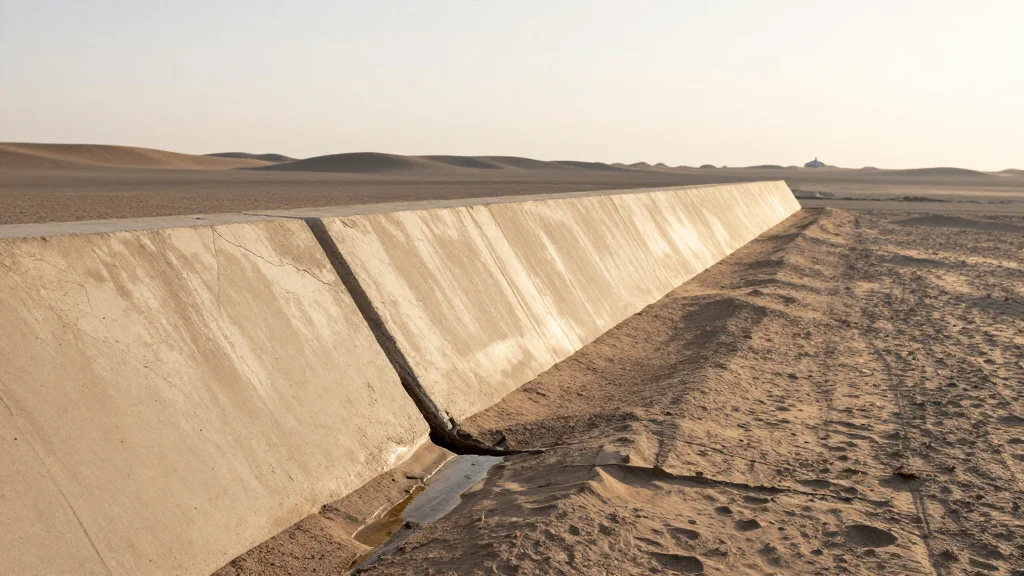
Blue in the Face Demanding Compliance: Oyu Tolgoi, Mongolia
Key Takeaways
- •Tailings discharged at 42‑45% water, exceeding design limits
- •Leak releases ~438,000 tons of water annually into shallow aquifers
- •Rio Tinto paid $3 million for Kherlen River water‑transfer study
- •Investors call for dry‑stacking and GISTM compliance
Pulse Analysis
Oyu Tolgoi, Mongolia’s flagship copper‑gold mine, has drawn renewed scrutiny after auditors from the International Finance Corporation and the European Bank for Reconstruction and Development classified a tailings‑cell leak as an environmental incident. The core issue stems from the plant’s failure to thicken tailings to the mandated 64‑65% solids, instead discharging material with 42‑45% water. This deviation not only breaches the Global Industry Standard for Tailings Management (GISTM) but also wastes an estimated 438,000 tonnes of water each year, seeping into shallow aquifers that support nomadic herders across the South Gobi desert.
The water loss has tangible socioeconomic consequences. Nomadic pastoralists, already coping with a fragile desert ecosystem, report drying wells and deteriorating water quality linked to the seepage. Rio Tinto’s strategy of transferring water from the Orkhon and Kherlen rivers—despite a 2022 pledge not to use Orkhon water—underscores a preference for cheaper, water‑intensive processing over investment in dry‑stacking or upgraded thickeners. The $3 million feasibility study for the Kherlen water‑transfer project highlights the company’s willingness to fund new water sources rather than remediate existing waste, raising questions about compliance with Mongolia’s 2012 Water Pollution Charges law.
Investor and civil‑society pressure is mounting. Stakeholders are urging Rio Tinto to bring Oyu Tolgoi into full GISTM compliance, adopt dry‑stacking for future tailings cells, and honor water‑efficiency recommendations from the 2024 workshop. Failure to act could trigger heightened ESG scrutiny, potential financial penalties, and reputational damage for one of the world’s largest mining conglomerates. The Oyu Tolgoi case thus serves as a bellwether for how the mining industry balances resource extraction with environmental stewardship in water‑scarce regions.
Blue in the face demanding compliance: Oyu Tolgoi, Mongolia
Comments
Want to join the conversation?