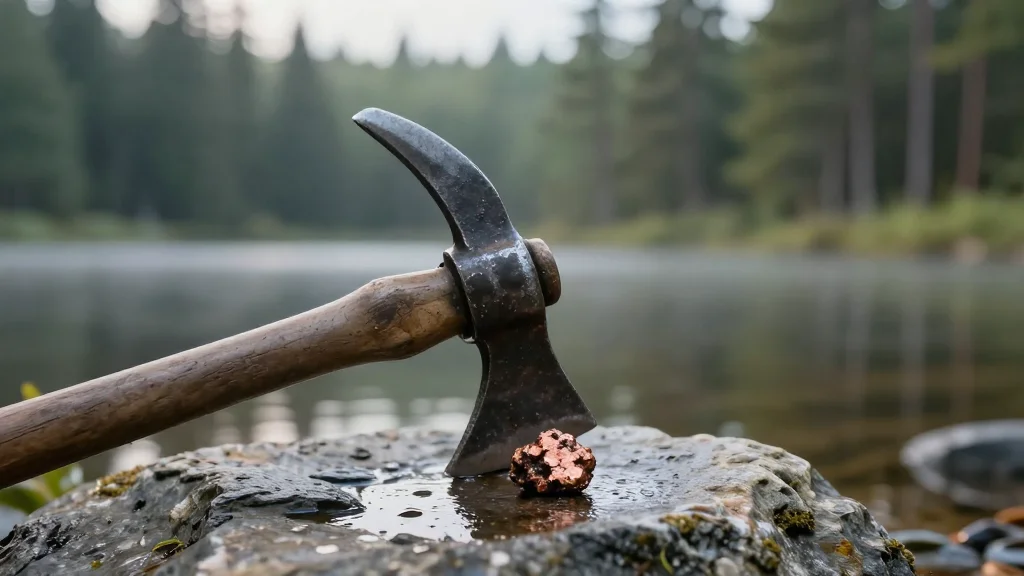
Boundary Divide: Beneath the Minnesota Wilderness Lies Untouched Deposits of Critical Minerals. A Town Near the Canadian Border Confronts What an End to the Mining Ban Means for Its Future – by Nathan VanderKlippe (Globe and Mail – April 13, 2026)
Key Takeaways
- •Duluth Complex holds ~1/3 US copper, 88% cobalt, 95% nickel
- •Mining ban could end by month’s end, pending Senate vote
- •Local towns fear environmental impact on pristine Boundary Waters
- •Development costs already in hundreds of millions despite no extraction
- •Reopening could boost US critical mineral supply chain
Pulse Analysis
The Duluth Complex, buried beneath northeastern Minnesota’s Boundary Waters, is the world’s largest undeveloped source of copper, cobalt, nickel, platinum and palladium. Containing roughly one‑third of the United States’ copper, 88 % of its cobalt and 95 % of its nickel, the deposit could dramatically reduce America’s reliance on Chinese and Russian metal imports that power electric‑vehicle batteries and defense systems. As the Biden administration pushes a domestic critical‑minerals agenda, unlocking the complex promises a strategic supply‑chain boost, but it also raises questions about how to extract resources without scar‑ ing a pristine wilderness.
The Boundary Waters Canoe Area Wilderness is a 1 million‑acre mosaic of lakes, wetlands and old‑growth forest that draws millions of tourists and supports a fragile ecosystem. Residents of nearby towns such as Ely worry that underground mining could leach heavy metals into waterways, threaten fish populations, and erode the region’s outdoor‑recreation economy. Environmental groups cite past incidents at other sulfide mines to argue that even modern mitigation may not fully protect the watershed, making the trade‑off between jobs and conservation especially contentious.
After a 2020 congressional moratorium, the U.S. Senate is slated to vote on lifting the ban before the month ends. Mining companies have already spent hundreds of millions on exploration, and a favorable vote could unleash a multi‑billion‑dollar development pipeline, creating jobs in a historically mining‑dependent corridor. Lawmakers, however, face pressure from Indigenous nations, conservationists, and a public that values the Boundary Waters as a national treasure. The outcome will shape not only Minnesota’s economy but also the nation’s ability to meet clean‑energy targets.
Boundary divide: Beneath the Minnesota wilderness lies untouched deposits of critical minerals. A town near the Canadian border confronts what an end to the mining ban means for its future – by Nathan VanderKlippe (Globe and Mail – April 13, 2026)
Comments
Want to join the conversation?