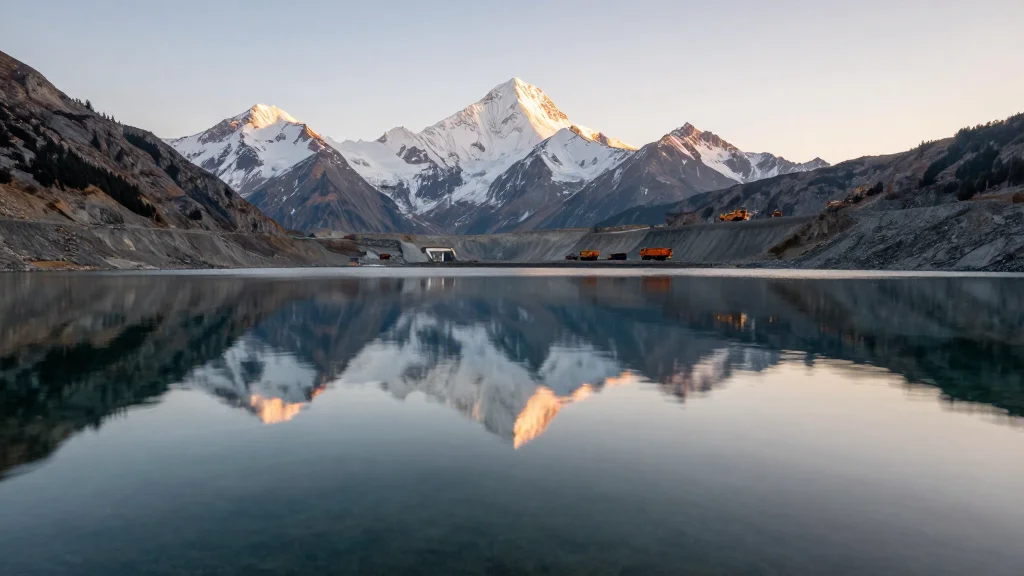
Businesses, Conservation Groups Urge Independent Oversight of Massive Coal Mine Expansion in Polluted Kootenai Watershed
Key Takeaways
- •34 firms and NGOs demand independent review of Glencore’s mine expansion
- •Expansion adds ~5,000 acres, likely raising selenium beyond legal limits
- •Lake Koocanusa and Kootenai watershed support $7.3B recreation economy
- •U.S. EPA approved Montana water standards; expansion could violate them
- •Minister must decide by April 23 whether to appoint review panel
Pulse Analysis
The Elk Valley’s mountaintop‑removal coal operations have long been a source of selenium runoff, a toxic element that accumulates in aquatic ecosystems and can cause deformities in fish. Recent USGS data show concentrations in the International Elk‑Kootenai watershed have more than quadrupled over four decades, making the region one of the world’s most severe selenium hotspots. Glencore’s proposed Fording River Extension would increase the mine’s footprint by roughly 5,000 acres, intensifying discharge volumes at a time when downstream water bodies already breach provincial and U.S. limits. This scientific backdrop fuels the coalition’s call for an independent panel that can evaluate mitigation options beyond the standard provincial permitting process.
Beyond environmental concerns, the waterway underpins a robust outdoor‑recreation economy. In 2024, Montana’s recreation sector generated $3.4 billion and supported over 30,000 jobs, while Idaho contributed $3.9 billion and 37,000 jobs. Both states rely on healthy fisheries and clean lakes for tourism, sport fishing, and related services. The Clean Water Act’s designation of the Kootenai River as impaired, coupled with EPA‑approved Montana water standards, creates a regulatory framework that the mine expansion could directly contravene, exposing both companies and governments to potential enforcement actions.
Politically, the issue sits at the intersection of Canadian sovereignty and U.S. transboundary water rights. The Boundary Waters Treaty and the International Joint Commission already provide a mechanism for joint study, but an independent review panel would add a layer of scientific transparency and could recommend alternative mining practices or stricter mitigation. The minister’s April 23 deadline will signal how Canada balances economic development with its obligations to protect shared waters, setting a precedent for future cross‑border resource projects. Stakeholders across the industry are watching closely, as the outcome may reshape permitting norms for large‑scale extractive ventures worldwide.
Businesses, Conservation Groups Urge Independent Oversight of Massive Coal Mine Expansion in Polluted Kootenai Watershed
Comments
Want to join the conversation?